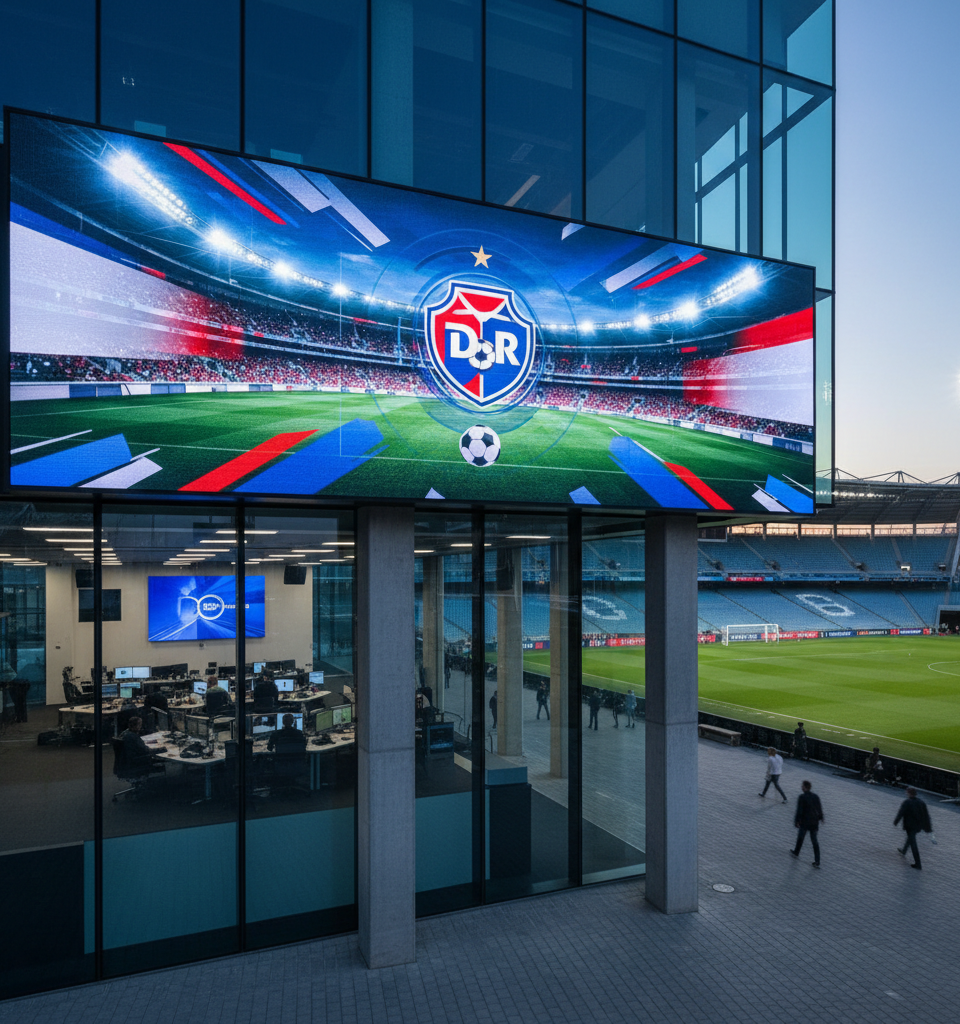
The convergence of sports ownership, digital content creation, and media rights presents a critical juncture for regional football clubs seeking to expand their commercial footprint. This initiative by KSI and Dagenham & Redbridge could establish a new blueprint for financial sustainability and audience engagement in an era where traditional broadcast models face increasing disruption. The success or failure of this venture will inform strategies for numerous clubs globally, illustrating the potential for creator-led content to unlock new revenue streams.
English creator and influencer KSI is positioning his co-owned club, Dagenham & Redbridge FC, at the forefront of a potentially transformative broadcasting experiment. With the 2026-27 football season on the horizon, the Greater London club is set to embark on a groundbreaking endeavor, streaming its matches via a newly forged agreement involving the National League South and the global sports streaming service DAZN. This move marks a significant departure from conventional non-league football media strategies, aiming to leverage KSI's immense digital presence and the growing appeal of creator-driven content.
A New Era for Non-League Coverage
The initiative draws parallels with the broader trend of integrating digital creators into mainstream sports broadcasting, a strategy that gained considerable traction during recent major sporting events like the World Cup. That tournament saw creators play a more prominent role in delivering complementary and alternative broadcast experiences, reaching demographics often underserved by traditional outlets. KSI's challenge is to replicate and adapt this model for the more localized and niche market of the National League South, aiming to elevate the profile of Dagenham & Redbridge and, potentially, the league itself.
Traditionally, non-league football clubs face significant hurdles in media exposure and commercial viability. Broadcast deals are rare and often limited, making it difficult for clubs at this level to attract substantial investment or expand their fan bases beyond local communities. The partnership with DAZN, a prominent player in sports streaming, represents a powerful platform that could bypass these limitations, offering a global audience access to Dagenham & Redbridge matches.
Strategic Implications and Market Impact
This strategy could have profound implications for the sports media landscape, particularly for clubs operating outside the top professional tiers. By directly connecting a club with a global streaming service through the influence of a digital personality, it creates a new pathway for monetization and brand building. It suggests a future where club ownership by creators is not just about financial investment but also about innovative content distribution and audience development. For DAZN, the deal could represent an opportunity to diversify its content offerings and tap into a highly engaged, digitally native audience that follows creators like KSI.
However, the success of this venture will hinge on several factors. The ability to produce high-quality, engaging broadcasts that resonate with both existing football fans and KSI's diverse followers will be crucial. Furthermore, the commercial model – including subscription uptake, advertising revenue, and potential spin-off content – will determine its long-term sustainability. The precedent set by the World Cup, where creators often provided supplementary commentary or unique perspectives, offers a framework, but adapting that to live, dedicated club broadcasting presents its own set of complexities.
What's Next for Dagenham & Redbridge
As the 2026-27 season approaches, all eyes will be on Dagenham & Redbridge and the execution of this ambitious broadcast strategy. The initial phase will likely focus on audience acquisition and demonstrating the viability of this model to both the National League South and potential investors. The performance of the broadcasts, both in terms of viewership and fan engagement metrics, will provide critical data points for the future of creator-led sports media ventures. If successful, this experiment could encourage other non-league clubs, or even those in higher tiers, to explore similar partnerships, fundamentally altering how lower-division football is consumed and commercialized on a global scale.