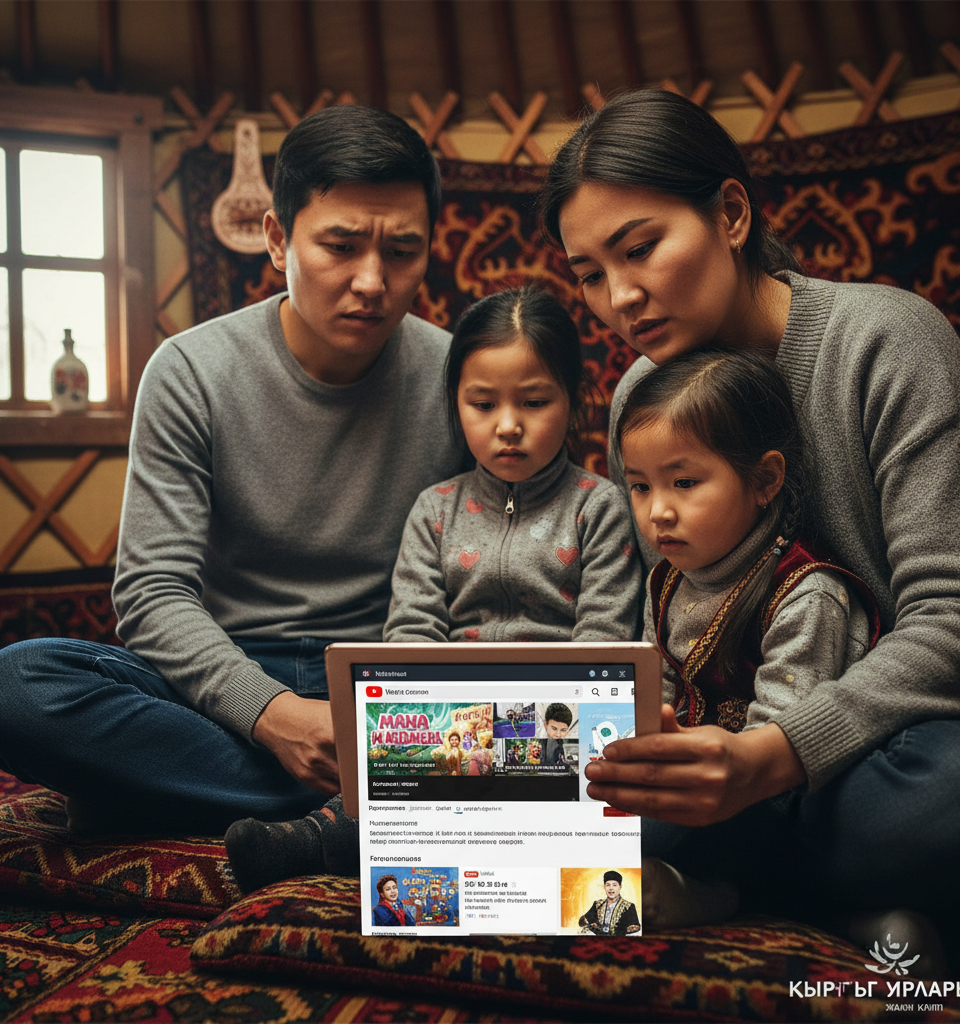
BISHKEK, KYRGYZSTAN – The digital landscape is emerging as a new battleground for linguistic survival in Kyrgyzstan, where children’s exposure to the indigenous Kyrgyz language is being significantly eroded by YouTube's powerful recommendation algorithms. Despite users actively seeking out content in Kyrgyz, these algorithms frequently redirect them to Russian-language videos, fostering a cultural drift that deeply worries parents, educators, and language advocates across the nation.
Historical Resilience Meets Digital Challenge
Kyrgyz, a Turkic language, has a long and storied history of resilience. It endured decades under Soviet rule, a period marked by systematic Russification policies, and emerged as the official state language upon Kyrgyzstan's independence in 1991. Yet, while the physical occupation ended, a new, more insidious digital influence is taking hold. The current phenomenon highlights how platforms designed for global reach can inadvertently undermine local cultures and languages, even those with strong historical roots and a vibrant contemporary presence. This issue is particularly poignant for a nation striving to solidify its national identity post-Soviet era.
Algorithmic Bias and User Impact
Parents report a consistent pattern: a child searching for "Kyrgyz cartoon" or "Kyrgyz songs for kids" on YouTube is often met with a deluge of Russian-language alternatives in the recommended videos feed or even in search results. This algorithmic bias is attributed to several factors, including the much larger volume of content available in Russian, YouTube’s regional content distribution networks, and the potential for greater monetization with more widely spoken languages. With approximately 150 million native Russian speakers globally compared to around 5 million native Kyrgyz speakers, the platform's preference for broader appeal is economically understandable but culturally detrimental.
"My son starts looking for a Kyrgyz nursery rhyme, and within minutes, he's watching a Russian-dubbed Peppa Pig," laments Elmira Sultanova, a mother of two from Bishkek.
Broader Societal and Market Implications
This algorithmic push towards Russian content has profound implications beyond individual households. It impacts the nascent Kyrgyz-language content creation industry, which struggles to compete for views and advertising revenue against Russian behemoths. Local creators often find their efforts drowned out, making it difficult to sustain production of educational and entertainment content essential for young Kyrgyz speakers. Furthermore, it reinforces the linguistic dominance of Russian in public discourse and media, potentially hindering the development of a robust, independent cultural sphere crucial for national self-determination. The lack of a strong, accessible modern linguistic ecosystem online could stunt the growth of future generations' proficiency in their native tongue.
Expert Insights on Digital Linguistic Erosion
Linguists and media experts warn that this trend could accelerate linguistic erosion, particularly among younger demographics who are digital natives. Dr. Aigul Esenalieva, a professor of sociolinguistics at the American University of Central Asia, explains, "Language is not just about words; it's about cultural transmission. If children are primarily consuming content in another language, they are internalizing another culture's norms, values, and worldviews. This diminishes the role of their native language as a vehicle for their own cultural identity." She emphasizes the need for platforms to develop more nuanced algorithms that prioritize local content for local searches, especially in regions with official indigenous languages.
Addressing the Challenge: Policy and Innovation
Addressing this complex challenge requires a multi-faceted approach. The Kyrgyz government and cultural organizations are exploring avenues such as advocating for YouTube to implement more robust geo-locale and language-specific search filtering options. There's also a push to incentivize and support local content creators, perhaps through grants or national media initiatives, to produce high-quality, engaging Kyrgyz-language videos that can genuinely compete. Educational campaigns targeting parents about managing digital consumption and promoting native language media within the family unit are also seen as crucial steps. The long-term objective is not to isolate Kyrgyz youth from global content but to ensure their native language thrives in the digital age.
The Path Forward for Kyrgyz Identity Online
The survival of the Kyrgyz language in the digital era hinges on proactive measures from both platform providers and local stakeholders. Without intervention, what survived centuries of political domination risks succumbing to the subtle, yet powerful, influence of algorithmic design. The ongoing efforts represent a critical juncture for Kyrgyzstan, determining whether its unique linguistic heritage can adapt and flourish in an increasingly interconnected and globally influenced world, ensuring that future generations remain connected to their linguistic and cultural roots. The answer lies in fostering a digital environment where the choice of language is genuinely respected and supported, rather than subtly overridden. This battle is emblematic of a broader global challenge for indigenous languages facing the ubiquitous reach of dominant linguistic hegemonies online.