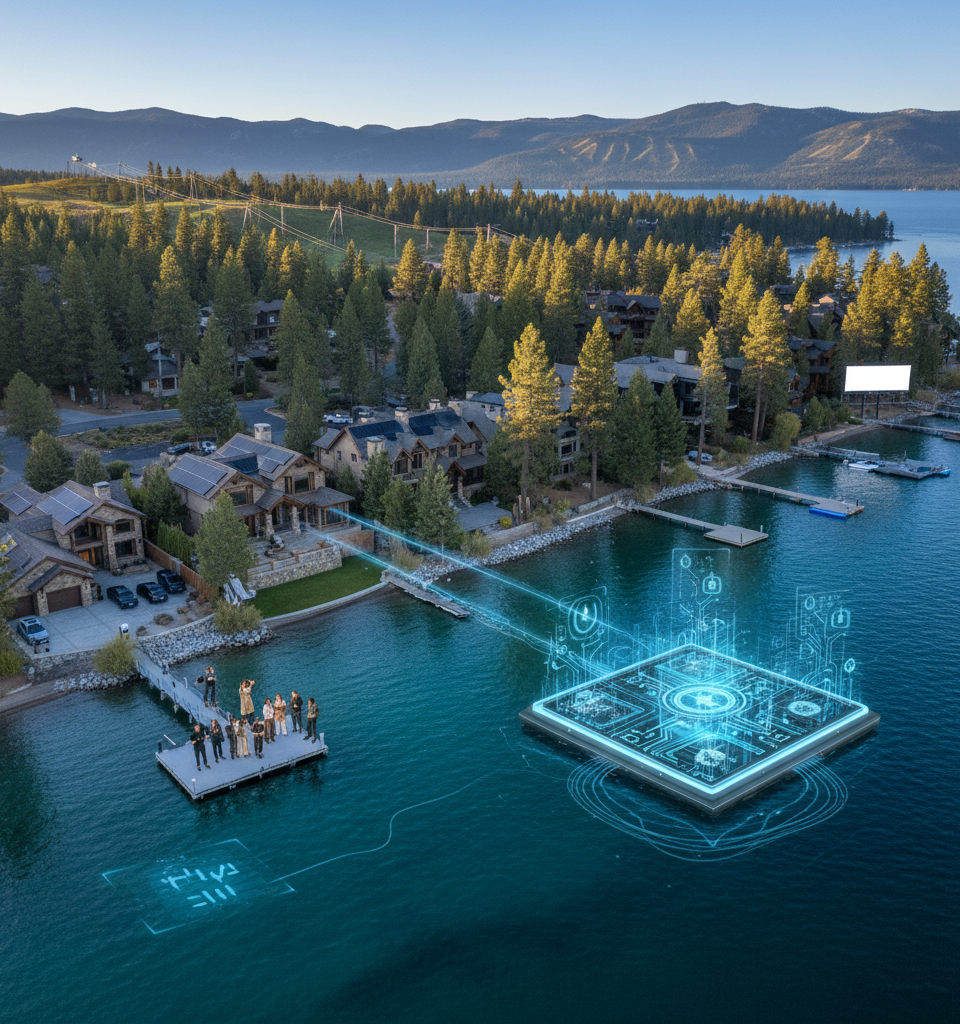
Lake Tahoe, the scenic alpine lake straddling the California-Nevada border and a favored vacation destination for residents of Silicon Valley, is on the cusp of a substantial uptick in electricity prices. This impending financial burden stems directly from the burgeoning energy requirements of artificial intelligence (AI) technologies, which are rapidly straining existing power grids across the Western United States. The situation poses a dual challenge: ensuring reliable power supply while preventing exorbitant costs from impacting local communities and the region's vital tourism economy.
The Looming Energy Squeeze
For decades, Lake Tahoe has served as a picturesque escape, offering pristine natural beauty just a few hours' drive from the tech hubs of Northern California. Its appeal has made it a prime location for second homes and luxury properties, many owned by individuals affiliated with the tech industry. The current energy dilemma introduces a complex layer to the region's idyllic image. While specific figures are still being finalized, energy providers serving the Lake Tahoe basin have indicated that price adjustments are imminent, with some projections suggesting increases could reach 15-20% for certain customer segments within the next year, directly correlating with the broader regional demand spikes attributed to AI data centers.
Industry analysts and utility officials confirm that the proliferation of AI data centers, particularly those supporting large language models and advanced computing, is creating unprecedented demand for electricity. Each data center can consume as much power as a small city, and with major tech companies expanding their AI infrastructure, the need for new generation and transmission capacity is accelerating. This surge is not isolated to Lake Tahoe but is reflective of a wider trend impacting power markets across California and Nevada, regions already contending with aging infrastructure and ambitious decarbonization goals.
Broadening Market Impacts
The ripple effects of this energy crunch extend far beyond Lake Tahoe. Power providers are evaluating various strategies, including investments in renewable energy sources like geothermal and solar, and upgrades to grid infrastructure. However, these solutions require significant capital and time, often translating into higher rates for consumers in the interim. The competitive landscape for electricity is intensifying, with tech giants willing to pay premium prices for reliable, clean power, potentially outbidding traditional consumers and further driving up costs for residential and small business customers. This creates a challenging environment for regional utilities that must balance diverse stakeholder needs.
According to a recent report by the California Energy Commission, AI-related electricity demand in the state alone could increase by over 50% by 2030. "The scale of growth in AI computing power means we are effectively adding entire new cities to our grid's load every few years," stated Dr. Evelyn Chen, an energy economist at a prominent California university. "This isn't just about more power; it's about reliable, consistent, and increasingly green power, which all come at a cost that will inevitably be passed on to consumers."
Expert Perspectives and Future Outlook
Energy experts are unanimous that addressing the AI-driven electricity demand requires a multi-pronged approach. "We need an aggressive expansion of renewable energy generation, coupled with significant investments in grid modernization and smart demand-side management," commented Robert Miller, a senior energy consultant with decades of experience in utility planning. He emphasized the importance of energy efficiency initiatives in mitigating the impact. "Without these coordinated efforts, regions like Lake Tahoe, which are already at the end of long transmission lines, will face disproportionate challenges in terms of price and reliability."
Looking ahead, the situation at Lake Tahoe could serve as a bellwether for other scenic or remote communities near major tech hubs. Utilities are exploring dynamic pricing models, smart grid technologies, and potentially even localized microgrids to enhance resilience and manage demand more effectively. Additionally, legislative efforts are underway to incentivize the development of new clean energy projects and streamline permitting processes. The long-term stability of electricity costs in areas like Lake Tahoe will heavily depend on the speed and efficacy of these strategic investments, as well as the ability of regulatory bodies to manage the transition fairly for all consumers. The race is on to power the AI revolution without sacrificing the economic well-being of iconic destinations.