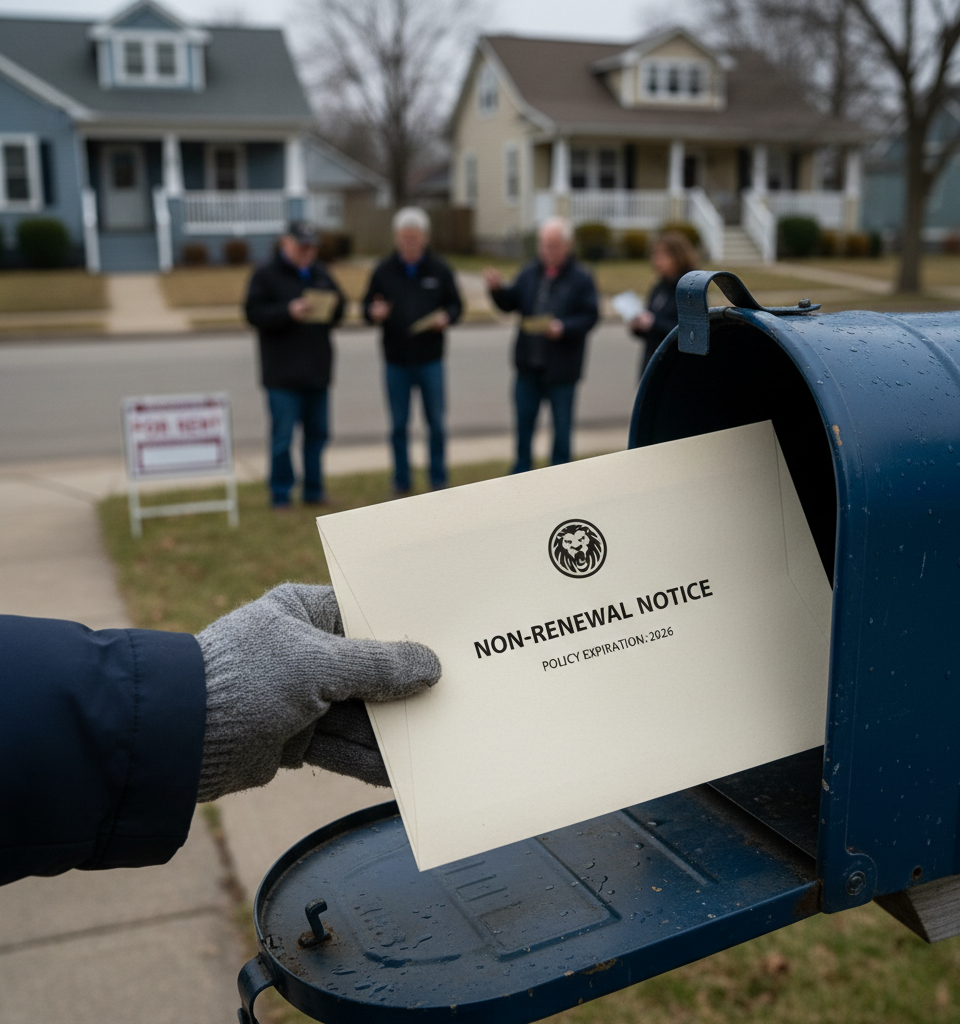
Property investors across the United States are confronting an unprecedented wave of insurance policy non-renewals, with carriers increasingly opting out of covering rental properties, even those with pristine claims histories. This escalating instability in the insurance market, particularly impacting landlord policies slated for non-renewal in 2026, is forcing property owners to scramble for alternative coverage and adapt to a rapidly evolving risk environment.
The Unfolding Crisis in Property Insurance
Historically, insurance non-renewals were often linked to a history of claims, significant property damage, or changes in policyholder risk profiles. However, the current phenomenon extends to landlords who have meticulously maintained their properties and never filed a single claim. This shift is largely attributed to a confluence of macroeconomic factors, including persistent inflation driving up repair and rebuilding costs, a surge in natural disaster-related claims, and rising reinsurance expenses for insurers. Over the past five years, the average cost of homeowners insurance has jumped by an estimated 35%, with some states experiencing increases well over 50%. Insurers, in a bid to restore profitability and manage their exposure, are rigorously re-evaluating their portfolios, leading to widespread retrenchment from perceived higher-risk segments like rental properties.
Understanding the Market Dynamics
The decision by insurers to non-renew is often a strategic recalculation of risk versus reward. For example, in states prone to hurricanes or wildfires, like Florida and California, some major carriers have significantly reduced their presence or exited entirely. In 2023 alone, several large insurers announced plans to curtail new policies or non-renew existing ones in high-risk areas. For landlords, this means that even if a property itself is low-risk, its geographical location or the carrier's broader financial health can trigger a non-renewal. The unexpected nature of these notices – often arriving with just 30 to 60 days' warning – leaves property owners in a precarious position, facing the daunting task of finding new coverage under tight deadlines.
Broadening Impact and Investor Realities
The ripple effect of these non-renewals is profound, extending beyond individual property owners to the broader real estate investment landscape. Property management companies are reporting increased difficulty in placing policies, and investors are seeing a significant squeeze on their profit margins due to soaring insurance premiums. Many are receiving renewal quotes that are 20-50% higher, and for some, the cost of comparable coverage has more than doubled. This directly impacts rental yield calculations and could potentially cool investor interest in certain markets, especially those already grappling with affordability issues and high regulatory burdens.
Expert Perspectives on Mitigation and Strategy
Insurance industry analysts and financial advisors emphasize the critical need for proactive engagement. "The days of passively renewing your policy are over," states Sarah Jenkins, a leading risk management consultant. "Landlords must now become active participants in managing their insurance needs, shopping policies aggressively, and understanding the nuances of their coverage." Experts recommend engaging with an independent insurance broker who can access multiple carriers and specialized markets. They also advise landlords to invest in risk mitigation measures, such as smart home technologies, updated roofing, and robust maintenance schedules, which can make a property more attractive to potential insurers and potentially lead to lower premiums. Documenting all mitigation efforts is crucial.
Navigating the Path Forward
For landlords facing non-renewal, immediate action is paramount. The first step involves thoroughly reviewing the non-renewal letter to understand the stated reasons, if any. Next, contacting an independent insurance broker specializing in commercial or rental property insurance is essential to explore alternative options, including non-admitted carriers (the excess and surplus lines market) if traditional options are exhausted. Property owners should be prepared to provide updated property information, including recent appraisals and details of any risk-reducing upgrades. Looking ahead to 2026, the trend suggests a continued hardening of the insurance market. This will necessitate that property investors build higher insurance costs into their financial models and maintain strong relationships with their brokers to navigate future challenges successfully. The current market volatility underscores a permanent shift, where insurance costs are becoming an even more pivotal factor in real estate investment decisions.