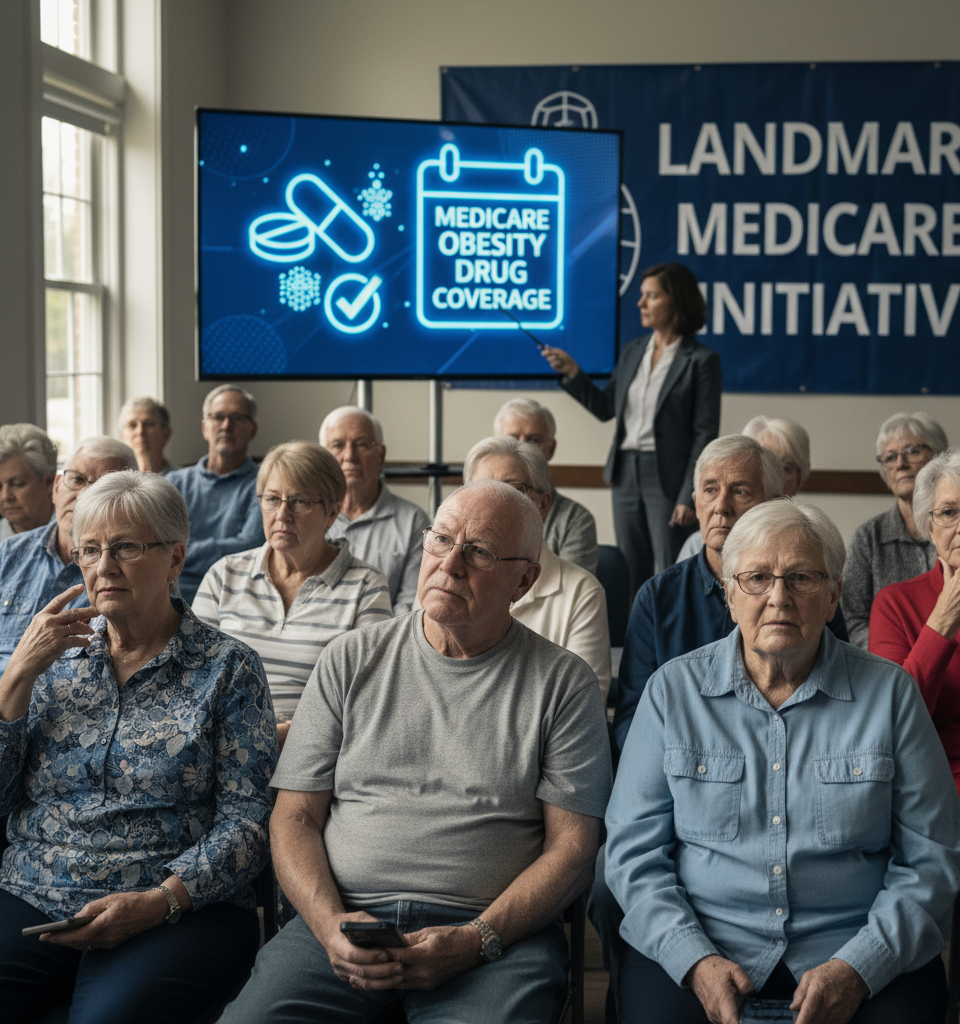
Beginning July 1, 2026, a significant expansion in prescription drug coverage under Medicare is poised to take effect, offering a landmark opportunity for seniors seeking treatment for obesity. This pivotal policy change will introduce comprehensive coverage for certain anti-obesity medications, a development anticipated to reshape how Medicare addresses this widespread health challenge among its beneficiaries. The shift represents a notable departure from previous limitations, which largely restricted Medicare Part D plans from covering weight-loss drugs. However, despite the approaching effective date, there appears to be a disconnect in public communication, with many seniors potentially unaware of their impending new benefits due to limited advertising from either government bodies or key pharmaceutical players like Eli Lilly and Novo Nordisk.
Historical Context and Policy Evolution
For years, federal law explicitly excluded weight-loss drugs from Medicare Part D coverage, classifying them similarly to cosmetic medications. This long-standing prohibition often forced seniors to pay out-of-pocket for these prescriptions or forego treatment entirely, creating a substantial barrier to care. The impending policy change has been a culmination of advocacy efforts, scientific advancements in obesity pharmacology, and a growing recognition of obesity as a chronic disease with severe health implications. The inclusion of these drugs underscores a broader recalibration of healthcare priorities, acknowledging the critical role pharmaceutical interventions can play in managing obesity and its associated comorbidities, such as diabetes and heart disease.
Implications for Patients and Healthcare Providers
The activation of this new coverage on July 1 is expected to unlock access to clinically significant medications for millions of seniors. While specific drugs covered will depend on individual Medicare Part D plans, the shift fundamentally alters the landscape for patients and their providers. Physicians will now have a broader arsenal of tools to manage obesity, potentially leading to improved patient outcomes and a reduction in the long-term healthcare costs associated with obesity-related conditions. However, the success of this initiative hinges on effective communication. The current dearth of widespread advertising suggests a potential bottleneck, where eligible individuals may not capitalize on these new benefits due to a lack of awareness, raising concerns about equitable access.
Market Impact and Pharmaceutical Readiness
For pharmaceutical giants like Eli Lilly and Novo Nordisk, who produce some of the most prominent anti-obesity medications, this Medicare expansion represents a massive new market segment. Drugs like GLP-1 agonists, which have shown significant efficacy in weight management, are set to see a substantial boost in demand among the Medicare population. While these companies stand to gain considerably, the muted advertising efforts leading up to July 1 are puzzling to some industry observers. One possible explanation could be a strategic pacing of market entry or a focus on physician education over direct-to-consumer advertising in the initial phase. Regardless, the long-term financial implications for these manufacturers are undeniably positive, potentially translating into billions in new revenue.
Challenges in Awareness and Outreach
The lack of robust public awareness campaigns from the government is particularly noteworthy. Medicare beneficiaries, a demographic that often relies on official communications and trusted sources for health information, might miss out on this crucial update without targeted outreach. This gap raises questions about the efficacy of information dissemination strategies for major policy changes affecting millions. Effective communication would typically involve a multi-pronged approach, including direct mailers, online resources, and media campaigns, to ensure seniors and their caregivers are fully informed about their new options and how to access them.
Future Outlook and Monitoring
As July 1 approaches, stakeholders will be closely monitoring the initial uptake of these obesity medications under Medicare. The success of this policy change will not only be measured by the number of prescriptions filled but also by its impact on senior health outcomes and the broader healthcare system. Future developments will likely include continued efforts to educate both providers and patients, potential adjustments to coverage guidelines, and ongoing analyses of the fiscal implications for Medicare. The long-term trajectory of this landmark coverage expansion will ultimately depend on its effective implementation and the ability to reach and inform the millions of seniors who stand to benefit most.