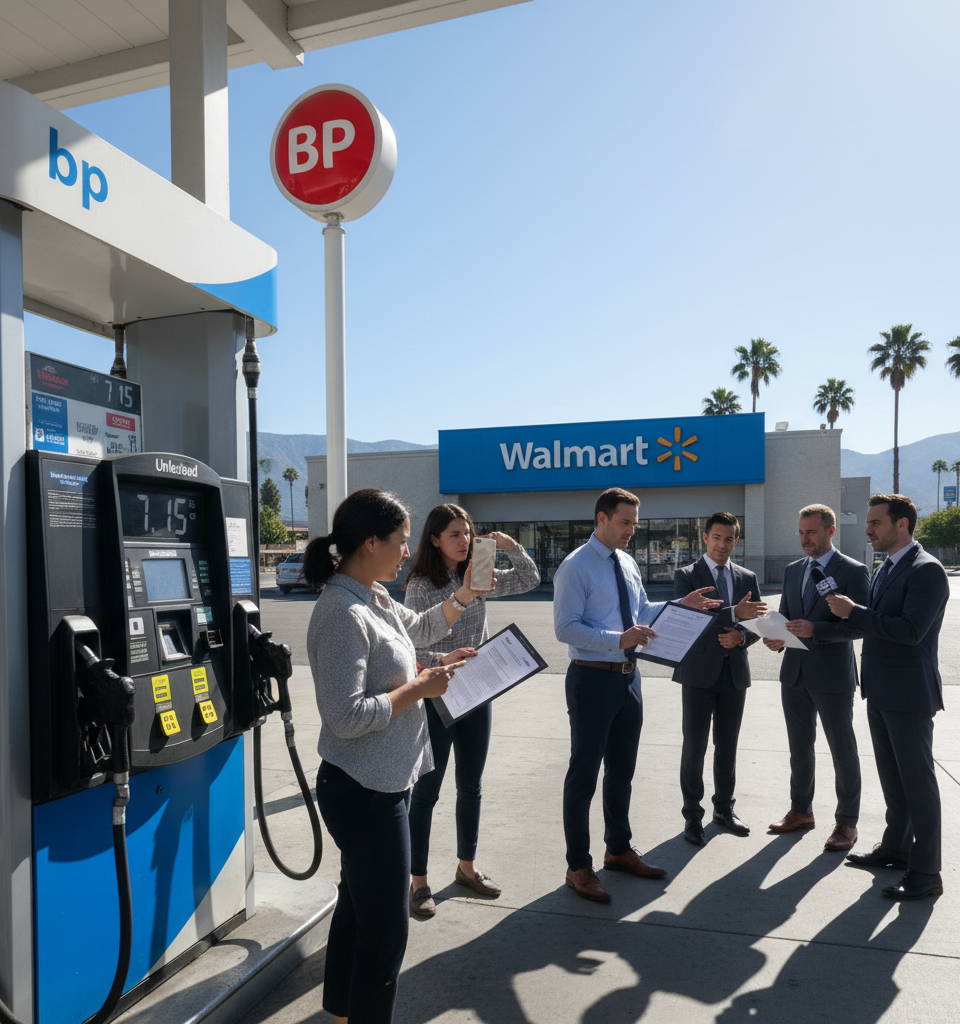
A class-action lawsuit filed by California consumers alleges that several prominent gas station owners, including retail giant Walmart and energy major BP, have engaged in an illegal scheme to manipulate fuel prices using artificial intelligence. The legal challenge, announced this week, contends that these companies leveraged advanced AI systems to coordinate pricing strategies, leading to artificially inflated pump prices for motorists across California.
The implications of such a practice, if proven, could be far-reaching, potentially reshaping regulatory approaches to algorithmic pricing in consumer markets. This legal action comes at a time when consumer watchdogs and antitrust authorities globally are increasingly scrutinizing the use of AI in pricing models, particularly in essential goods and services. The lawsuit frames the alleged AI deployment not as a tool for efficiency, but as a mechanism for anti-competitive behavior, drawing parallels to traditional price-fixing conspiracies but executed with technological sophistication.
While specific details of the alleged AI methodology were not immediately fully disclosed in the initial filing, the plaintiffs claim that the AI systems allowed the defendants to achieve a level of pricing coordination that would be impossible through human interaction alone. This coordination, the lawsuit posits, enabled the gas stations to maintain higher profit margins by eliminating competitive pricing pressures. The class action seeks not only damages for affected consumers but also an injunction to prevent the continued use of these alleged AI pricing strategies.
The defendants named in the lawsuit, including entities associated with Walmart and BP, have not yet issued comprehensive public statements regarding the allegations. Their responses are anticipated as the legal process unfolds. The lawsuit highlights a critical intersection of technology and antitrust law, prompting questions about the boundaries of algorithmic decision-making when it impacts consumer costs and market fairness.
From an industry perspective, the lawsuit could spark a wider re-evaluation of how AI is employed in pricing across various sectors. The energy sector, in particular, with its volatile commodity prices and significant consumer impact, is ripe for such scrutiny. Should the plaintiffs succeed, it could establish a precedent for how artificial intelligence tools are regulated to prevent potential monopolistic or collusive practices, moving beyond traditional definitions of price-fixing to encompass algorithm-driven market manipulation.
Legal experts suggest that proving intent and coordination in an AI-driven pricing model could be a complex endeavor. The plaintiffs would likely need to demonstrate not just correlated pricing, but also evidence that the AI was designed or utilized with the explicit purpose of reducing competition and artificially inflating prices, rather than simply optimizing for supply and demand or efficiency. This could involve examining the algorithms' design, training data, and decision-making parameters.
Looking ahead, this lawsuit signifies a growing trend where technological advancements, particularly in AI, are confronting existing legal frameworks. The outcome could influence legislative efforts to regulate AI in commerce, potentially leading to new guidelines or laws specifically addressing algorithmic collusion. Retailers and service providers utilizing AI for dynamic pricing may face increased pressure to demonstrate the transparency and fairness of their systems, especially in markets where price sensitivity is high.
The case is expected to unfold over several months, with discovery phases likely to delve deep into the technological underpinnings of the defendants' pricing strategies. The legal battle will be closely watched by consumers, technology companies, and regulatory bodies alike, as it could set a benchmark for future litigations involving artificial intelligence and market competition. The focus will remain on whether these sophisticated AI tools were used to foster efficiency or to engage in illicit market manipulation, underscoring the evolving challenges of ensuring fair competition in the digital age.