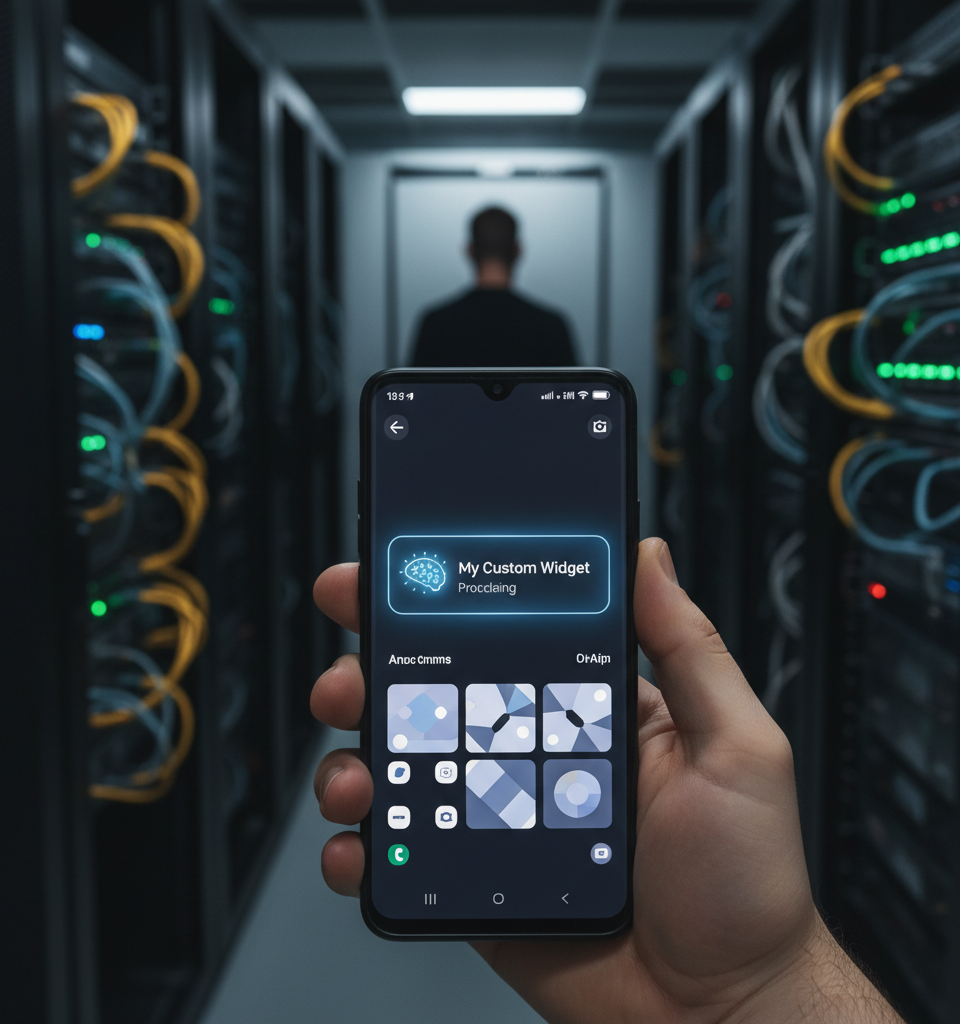
The integration of advanced artificial intelligence into mobile operating systems, particularly for personalization, represents a significant battleground for tech giants vying for user engagement and ecosystem dominance. This development points to an ongoing strategic effort by major smartphone manufacturers to differentiate their user experience through AI-enhanced features, potentially influencing adoption rates and market share in a highly competitive sector.
The Anticipated AI-Driven Personalization Feature
Samsung's forthcoming One UI 9.5 update is reportedly preparing to unveil an innovative, AI-driven tool designed to empower users in creating highly personalized widgets. Dubbed "My Custom Widget" according to leaked information, this feature signifies a deeper push into user interface customization, a realm where both aesthetic appeal and functional utility are paramount for consumer satisfaction.
This move by Samsung appears to directly parallel a similar innovation introduced by Google, suggesting a burgeoning trend within the smartphone industry to leverage artificial intelligence for enhanced user control over device aesthetics and functionality. The precise mechanics of "My Custom Widget" remain speculative, but the implication is that AI algorithms would assist users in designing widgets tailored to their specific needs and preferences, moving beyond pre-set options.
Context of the UI Customization Trend
The drive towards deeper user interface customization reflects a maturing smartphone market where hardware differentiation is increasingly challenging. Software, particularly the user experience, has emerged as a key battleground for winning and retaining customers. For years, mobile operating systems have offered varying degrees of customization, from wallpaper and icon packs to more sophisticated widget integration.
The advent of AI introduces a new dimension to this customization, moving from static choices to dynamic, intelligent design assistance. This could democratize complex design processes, allowing average users to craft sophisticated, personalized interfaces without requiring specialized design skills. The reported feature from Samsung, therefore, is not merely an incremental update but potentially a strategic shift towards more intuitive, AI-assisted user environments.
Potential Industry Impact and Competitive Landscape
Should the "My Custom Widget" feature materialize as leaked, it would solidify Samsung's position as a leader in applying AI to enhance user experience. This development would intensify the ongoing competition with other major players, notably Google, which has already showcased similar AI-driven personalization tools. Such innovations often become a benchmark, compelling other manufacturers to invest more heavily in their own AI research and development for consumer-facing features.
For app developers, this could open new avenues for integration and creativity, as their applications might be able to interface with these AI-generated custom widgets, potentially leading to richer, more dynamic user interactions. The broader market impact could be a heightened expectation from consumers for more intelligent and adaptable device interfaces, pushing the entire industry towards more sophisticated AI integration.
What's Next for Samsung and One UI
As anticipation builds for the official unveiling of One UI 9.5, all eyes will be on Samsung to confirm these leaked details and to demonstrate the full capabilities of "My Custom Widget." The success of such a feature will hinge on its ease of use, the quality of its AI-driven suggestions, and its seamless integration within the broader One UI ecosystem. If implemented effectively, it could become a significant selling point for future Samsung devices.
Analysts will be closely watching user adoption rates and feedback following the update's release. Beyond personalization, the introduction of an AI-driven widget creator could hint at Samsung's broader strategy for leveraging AI across its device ecosystem, from smart home integration to productivity tools. The full implications of this development will become clearer as Samsung continues to roll out its One UI updates and elaborate on its AI roadmap.