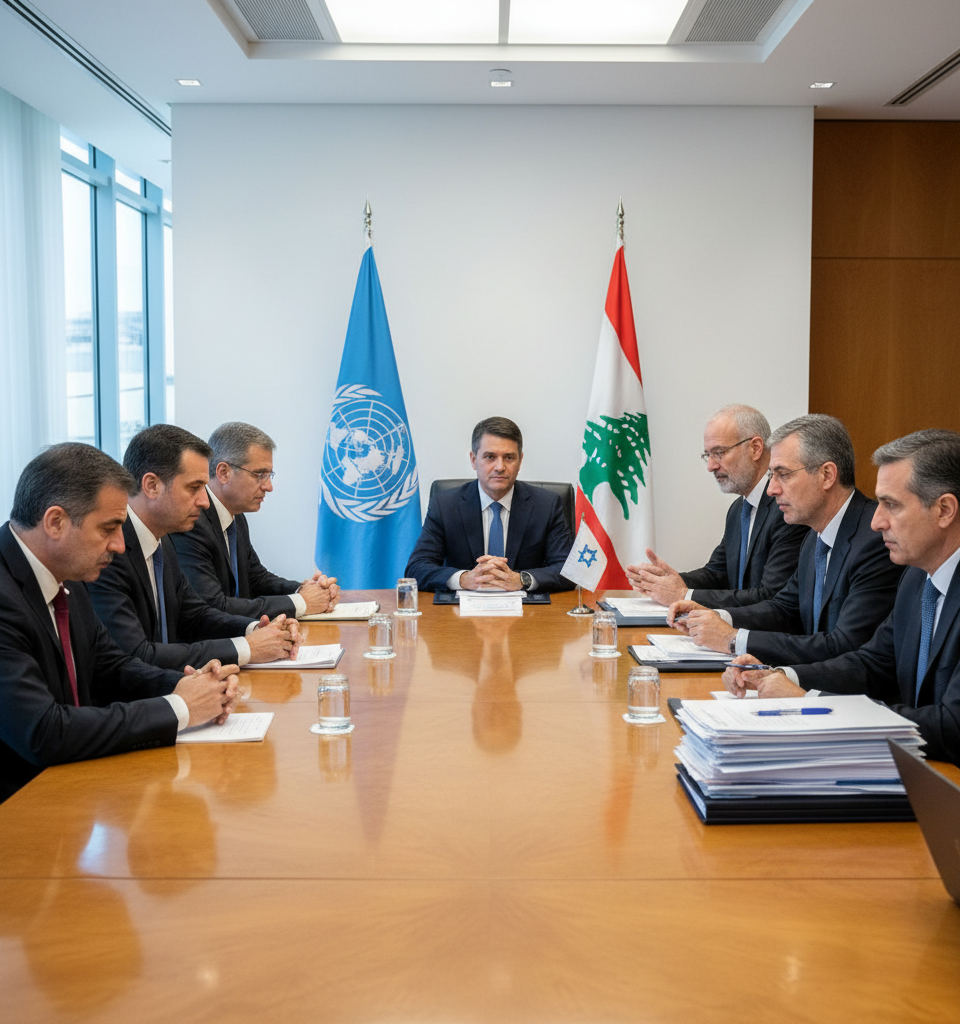
Beirut, Lebanon – As of May 19, 2026, Lebanon is preparing to engage in anticipated peace talks with neighboring Israel, a development underscored by a pronounced asymmetry in leverage for the Lebanese side. Initial reports indicate the Lebanese government's ability to exert substantial influence over pertinent domestic factions remains severely limited, potentially complicating the negotiation process from its outset.
This impending diplomatic engagement unfolds against a backdrop of decades-long animosity and intermittent conflict between the two nations. The current landscape in Lebanon is characterized by a deeply fragmented political scene and significant internal pressures, factors that are widely understood to underpin the government's constrained negotiating position. Historical precedent suggests that any concessions made by a Lebanese government lacking widespread internal consensus risk being undermined by groups outside of direct governmental control. This dynamic creates a challenging environment for constructive dialogue and sustainable peace-building efforts.
Internal Dynamics Shape Negotiation Prospects
The central challenge for Lebanon in these upcoming talks is its perceived lack of effective control over key non-state actors within its borders. While specific details regarding the composition of the Lebanese delegation or the precise agenda of the talks remain largely undisclosed, the overarching narrative is one of a sovereign government entering high-stakes negotiations with considerably weakened internal authority. This situation contrasts sharply with the traditional model of state-to-state diplomacy, where national governments typically represent a unified front. The implications of this internal fragmentation extend beyond the negotiation table, potentially impacting the implementation and longevity of any agreements reached.
Analysts suggest that the Lebanese government's current standing could render it a less powerful interlocutor, potentially limiting its capacity to secure favorable terms or ensure adherence to future agreements. The perceived lack of robust control over certain politically significant groups within Lebanon means that even if a peace agreement were theoretically struck, its practical enforcement would be subject to numerous variables outside the direct purview of the negotiating state. This complex internal environment necessitates a nuanced understanding of Lebanese politics for any sustainable diplomatic breakthrough to be achieved.
Broader Regional Implications and Economic Pressures
Beyond the immediate diplomatic concerns, these potential talks carry significant regional implications. The Israel-Lebanon border has long been a flashpoint, and any movement towards or away from peace has wider repercussions for stability across the Levant. International observers will undoubtedly be monitoring the progress of these discussions closely, not only for their direct impact on the two nations but also for their potential to influence broader geopolitical alignments and security dynamics.
Economically, Lebanon continues to grapple with a severe financial crisis, exacerbating the challenges faced by its government. The economic fragility undoubtedly adds another layer of complexity to its negotiating stance. While peace could, in theory, unlock new economic opportunities and international aid, the immediate focus for the Lebanese government will likely be on navigating the political minefield without further destabilizing an already precarious internal situation. The pressure to secure any form of stabilizing outcome, even a limited one, is immense, but the leverage to demand substantial concessions appears limited.
The Path Forward: Uncertainties Abound
Looking ahead, the immediate future of these talks remains highly uncertain. The dynamics of communication, the specific demands tabled by each side, and the nature of international mediation, if any, will all play crucial roles in shaping the outcome. For Lebanon, the imperative will be to articulate a coherent national position despite internal divisions and to seek assurances for any agreements that might emerge. The international community, meanwhile, may need to consider approaches that acknowledge Lebanon's unique internal political structure to facilitate any meaningful and lasting resolution.
The discussions, even before they formally commence, highlight the multifaceted challenges inherent in resolving deeply entrenched historical conflicts, especially when compounded by complex internal political landscapes. The world watches as Lebanon enters these sensitive discussions, recognizing the significant hurdles that lie ahead without a clear path to overcoming its internal constraints and strengthening its hand at the negotiating table.