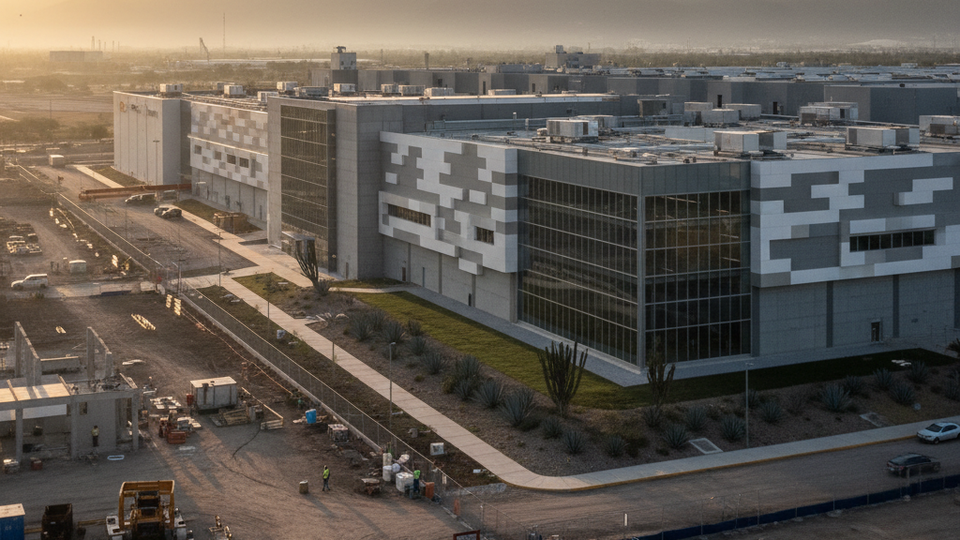
Global supply chain resilience and localized production are critical for companies navigating international trade complexities. This strategic investment by Lego in Mexico highlights how major brands are reinforcing regional manufacturing hubs to optimize distribution and reach key markets more efficiently.
Toy manufacturing giant Lego Group plans a substantial investment of $400 million to significantly expand its manufacturing facility located in Monterrey, Mexico. This expansion aims to bolster the company's production capabilities in North America, with specific plans to integrate new packing and warehousing operations directly into the existing site.
Expansion Details and Job Creation
The announced $400 million capital injection underscores Lego's commitment to its Mexican operations. The project is anticipated to create 1,300 new jobs at the Monterrey facility. These new roles will primarily support the expanded packing and warehousing functions, alongside other manufacturing roles as production capacity increases. The expansion will allow Lego to streamline its supply chain, potentially reducing transportation costs and delivery times for products destined for the North American market.
Strategic Importance of the Monterrey Facility
The Monterrey plant is already a pivotal component of Lego's global manufacturing network. It serves as a key hub for supplying products across the Americas. By adding comprehensive packing and warehousing capabilities, the company aims to enhance vertical integration at the site. This move could reduce reliance on external logistics providers for these stages, offering greater control over product flow and inventory management. The investment also reflects a broader trend among international companies to nearshore or reshore manufacturing closer to major consumer markets, mitigating risks associated with distant supply lines.
Broader Context in Manufacturing
This investment by Lego aligns with a growing strategy among multinational corporations to diversify and strengthen their global manufacturing footprints. The COVID-19 pandemic and subsequent geopolitical shifts have highlighted the vulnerabilities of highly centralized supply chains. Companies are increasingly seeking to build regional resilience, ensuring continuous product availability even amidst disruptions. Mexico, with its strategic location, established trade agreements, and growing skilled labor pool, continues to attract significant foreign direct investment in the manufacturing sector.
Economic Impact on the Region
The creation of 1,300 jobs represents a notable boost to the local economy in Monterrey and the broader state of Nuevo León. Such job growth typically has a positive ripple effect, stimulating demand for local goods and services, and fostering further economic development. The investment also reinforces Mexico's position as an attractive manufacturing base for global brands, particularly those targeting the robust consumer markets of the United States and Canada. This could encourage other companies to consider similar expansions or new ventures in the region.
Future Outlook for Lego
This expansion is a clear indication of Lego's long-term growth strategy and its confidence in the North American market. By enhancing production and logistics capabilities in Mexico, the toymaker is positioning itself to meet sustained demand for its products efficiently. The increased operational capacity is expected to support future product launches and market penetration efforts, ensuring that Lego can continue to deliver its iconic building sets to consumers across the continent with greater agility and reduced lead times. This strategic move could also contribute to the company's overall profitability and market share in the coming years.