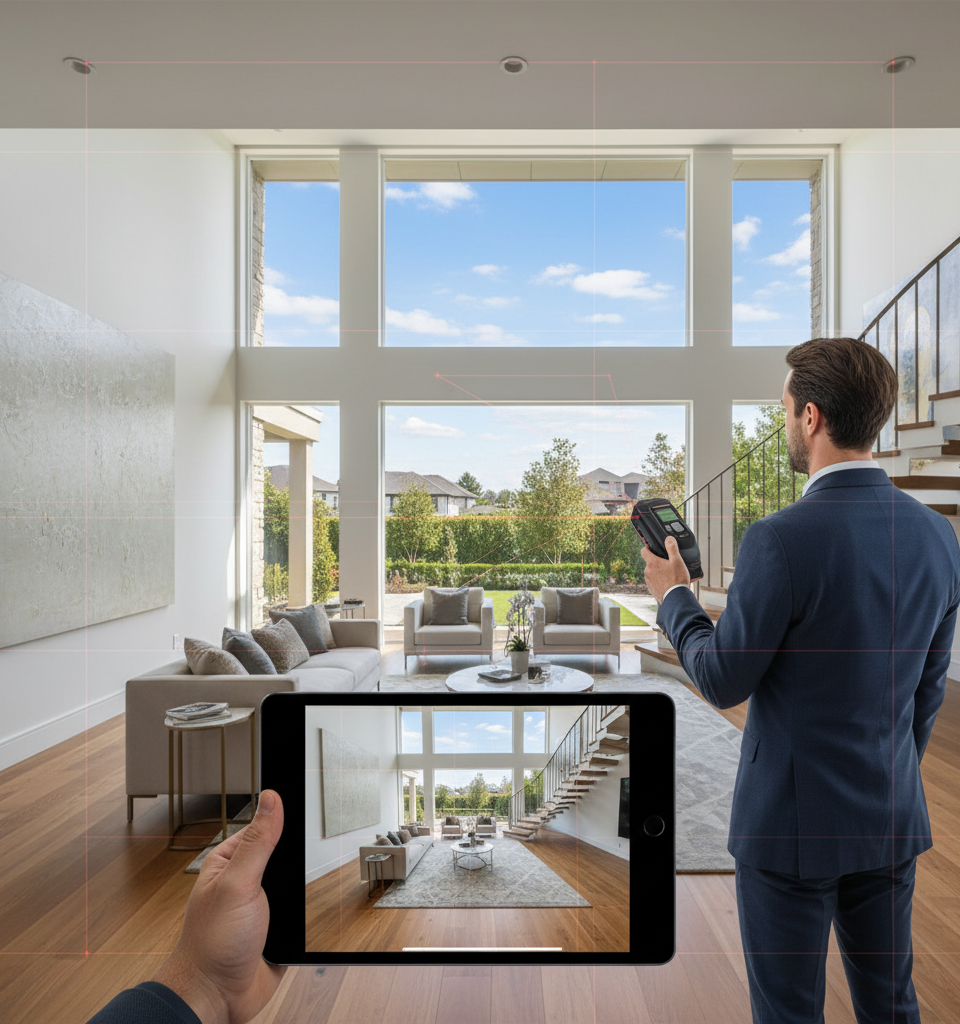
Protecting the integrity of high-value properties in Malibu and Bel Air is paramount for both buyers and sellers. New technologies could significantly enhance listing accuracy, safeguarding transactions and reputations in Southern California's luxury market.
As of September 7, 2026, the real estate industry is increasingly exploring how advanced technological tools can help agents prevent common listing errors. Specifically, LiDAR measurements and comprehensive 3D virtual tours are emerging as potential solutions to bolster the accuracy of property details, such as square footage, and to mitigate issues arising from misleading AI-edited listing photos.
The Challenge of Listing Accuracy
Listing inaccuracies have long been a pain point for real estate professionals, potentially leading to legal disputes, buyer dissatisfaction, and damaged reputations. Discrepancies in listed square footage, for example, can significantly impact property valuations and purchase decisions. Similarly, the growing sophistication of AI in photo editing introduces new challenges, as images can be enhanced to the point of misrepresenting a property's true condition or features.
Historically, agents have relied on traditional measurement methods and photographic evidence, which can be prone to human error or subjective interpretation. This reliance has underscored the need for more objective and verifiable methods of presenting property information to prospective buyers.
Technology as a Solution
LiDAR (Light Detection and Ranging) technology offers a precise method for measuring interior and exterior spaces. By emitting pulsed laser light to measure distances, LiDAR can generate highly accurate 3D models of a property, thereby providing verifiable square footage data. This precision can serve as a robust defense against claims of misrepresentation regarding property size.
Alongside LiDAR, advanced 3D virtual tours provide immersive and comprehensive visual documentation of a property. Unlike static photographs, these tours allow prospective buyers to digitally navigate a space, offering a detailed and transparent view. This capability limits the potential for misleading representations that might arise from selective photography or overly aggressive AI-driven photo enhancements, giving buyers a more authentic preview before an in-person visit.
Industry Implications
Implementing these technologies could have several profound impacts on the real estate sector. For agents, it represents an opportunity to enhance credibility and reduce liability exposure. By providing verifiable data and transparent visual information, agents can strengthen buyer trust and streamline the due diligence process. This move towards data-driven listings could also differentiate agents and brokerages that invest in these advanced tools, setting a new standard for listing quality and accuracy.
For buyers, the benefits include greater confidence in property details and a more accurate understanding of a home's true nature before making an offer. This transparency could lead to fewer surprises post-purchase and a more efficient decision-making process. Sellers could also benefit from faster sales cycles, as thoroughly documented properties might attract more serious buyers who have a clearer expectation of what they are viewing.
Looking Ahead
The integration of LiDAR and sophisticated 3D tours into standard listing practices is expected to continue evolving. As these technologies become more accessible and cost-effective, their adoption could expand beyond luxury markets to become a standard expectation across the industry. The ongoing development of AI ethics and guidelines within real estate photography will also play a crucial role, potentially complementing these technological advancements to ensure fair and accurate representation of properties. The industry's push towards greater transparency and precision suggests that tech-driven solutions will play an increasingly central role in safeguarding real estate transactions moving forward.