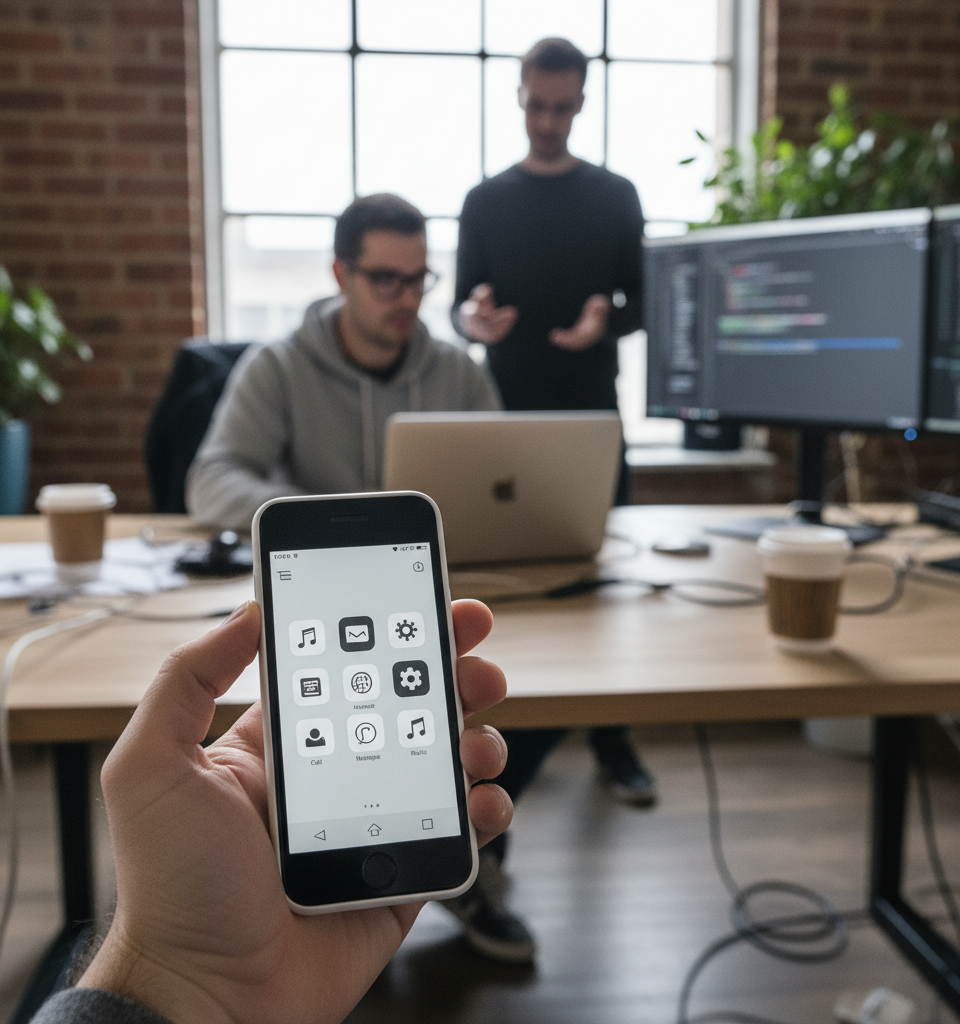
Light Phone, the Brooklyn-based company celebrated for its minimalist mobile devices designed to minimize digital distraction, has announced a significant evolution in its product strategy with the introduction of a developer program for its proprietary LightOS. This initiative empowers third-party developers to create and integrate new "tools"—essentially bespoke applications—onto the Light Phone, ranging from localized public transit applications to e-readers. The move marks a pivotal moment for the company, signaling a controlled expansion of functionality designed to address user needs without compromising the brand's foundational commitment to a less-distracting mobile experience.
Context and Background
Since its inception, Light Phone has carved out a unique niche in the smartphone-dominated market by offering devices that intentionally strip away the features often associated with digital addiction: social media, endless notifications, and web browsing. The original Light Phone, and its successor, the Light Phone II, primarily offered essential functions like calling, texting, alarms, and a calculator. While highly praised by digital minimalists, some users found the limited functionality occasionally impractical for essential daily tasks. This tension between desired utility and the brand's anti-distraction ethos has been a core challenge, which the new developer program seeks to elegantly resolve by carefully curating useful additions.
Key Details of the Developer Program
The newly launched developer program operates under a curated model, reflecting Light Phone's commitment to maintaining a distraction-free environment. Developers will submit their proposed "tools" to Light Phone for review and approval, ensuring that new integrations align with the brand's core values. The company has explicitly stated that applications promoting endless scrolling, social media, or other known digital pitfalls will not be permitted.
Early examples of potential tools highlighted by Light Phone include applications for checking local public transit schedules, basic e-book readers, minimalist podcast players, and perhaps specific utility apps relevant to niche communities. This approach differentiates it sharply from open-source platforms, emphasizing quality and alignment over broad accessibility. While Light Phone has not yet disclosed specific revenue-sharing models for developers, the initial focus appears to be on fostering a robust and values-aligned ecosystem.
Industry and Market Impact
This strategic pivot has significant implications for the growing "dumb phone" or "feature phone" market. By selectively integrating enhanced functionality, Light Phone could potentially broaden its appeal beyond strict digital minimalists to a wider demographic of users who desire less screen time but still require certain modern conveniences. The move could pressure competitors in the minimalist phone sector to consider similar curated ecosystems or risk being perceived as too restrictive.
Furthermore, it validates the demand for mobile experiences that prioritize user well-being over constant engagement, providing a counter-narrative to the prevailing smartphone industry trends focused on ever-increasing feature sets and connectivity. The market for simpler phones, while still niche, has shown steady growth, with some reports indicating a resurgence among Gen Z seeking digital detoxes.
Expert Perspective
Technology analysts view Light Phone's developer program as a shrewd move. "This is not about turning the Light Phone into an iPhone," says Dr. Amelia Chen, a prominent tech ethicist.
"It's about identifying the minimal viable set of additional functionalities that genuinely enhance utility without introducing new vectors for distraction. " Another analyst, Mr. David Lee of Tech Insights Group, noted, "Light Phone is demonstrating that minimalism doesn't have to equate to deprivation.
By empowering communities to build tools responsive to their specific needs—be it a local bus schedule or a simple habit tracker—they are deepening engagement while maintaining their core promise. " The success, experts concur, will hinge on the rigor of Light Phone's curation process.
What's Next
Light Phone plans to roll out the developer program in phases, with initial access granted to a select group of trusted developers before potentially opening it more broadly. The company has indicated that user feedback will play a crucial role in shaping the evolution of the LightOS and the types of tools that gain traction. Future developments could include deeper integrations with niche services that align with minimalist values, such as mapping for offline use or specialized health and wellness tracking tools that avoid gamification. This initiative positions Light Phone as a pioneer in defining what a "smart dumb phone" can be, offering a compelling alternative in an increasingly hyper-connected world and potentially inspiring other hardware manufacturers to consider similar, values-driven development ecosystems.