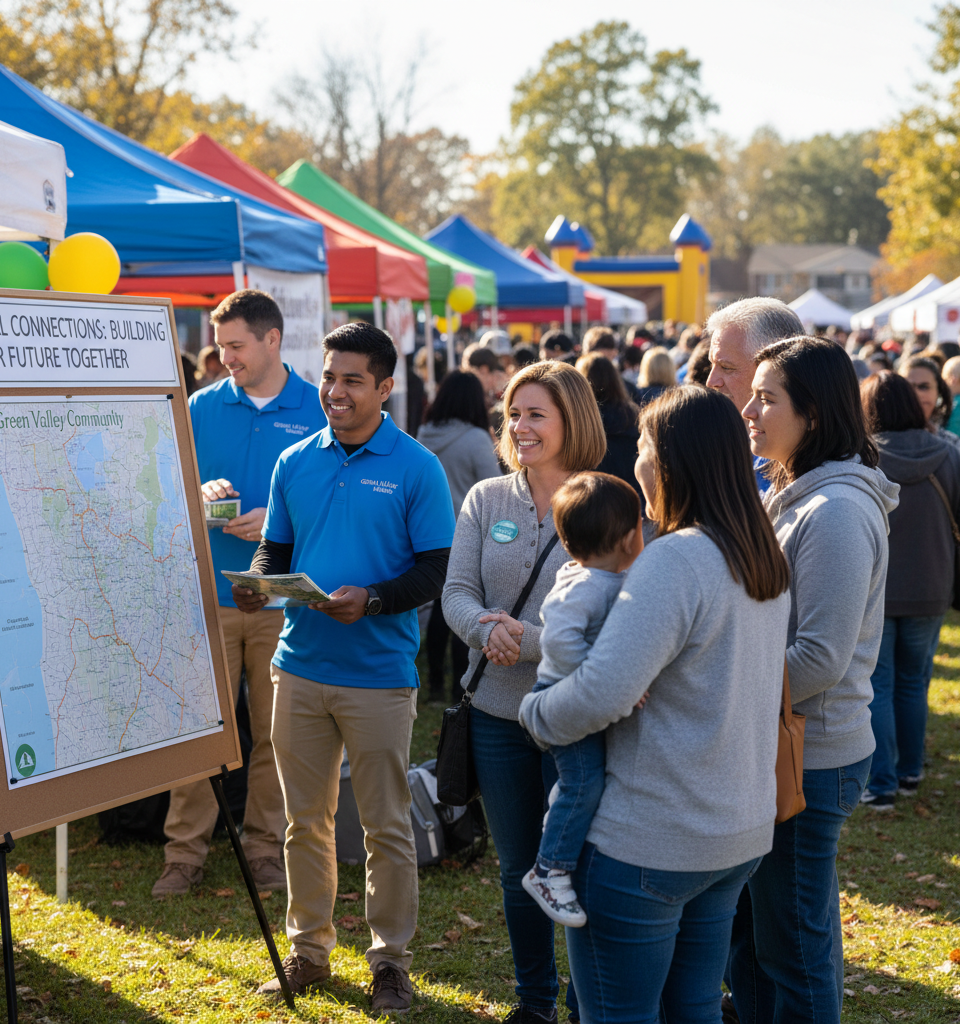
In an increasingly competitive real estate market, agents are rediscovering the power of personalized connections and granular local knowledge as a cornerstone for client acquisition. This approach moves beyond broad-stroke digital campaigns, focusing instead on building genuine relationships within their community, fostering trust, and positioning themselves as indispensable local experts. The strategy, often dubbed 'in-line dialogue' or 'hyper-local networking,' emphasizes organic engagement, from neighborhood events to local business partnerships, to identify and convert potential clients organically.
The Evolution of Client Acquisition
Historically, real estate marketing relied heavily on print ads, cold calling, and open houses. While these methods still hold some sway, the digital age introduced an era of online listings, social media marketing, and sophisticated lead generation tools. However, many agents found these digital channels, while efficient, often lacked the personal touch crucial for high-value transactions like buying or selling a home. The resurgence of community-focused strategies is a direct response to this, acknowledging that even in a data-driven world, human connection remains paramount. It’s about being deeply intertwined with the fabric of a neighborhood, understanding its nuances, and becoming a trusted resource long before a transaction is even on the horizon.
Key Strategies for Local Engagement
Successful implementation of this strategy involves several core components. Agents are engaging in activities such as sponsoring local sports teams or school events, participating in community clean-up initiatives, and frequenting local businesses to build rapport. Hyperlocal content creation is another critical element; this includes social media posts about local news, small business spotlights, market updates tailored to specific neighborhoods, and even personal recommendations for local services. For instance, one agent recently reported a 25% increase in direct referrals over the past six months after consistently sharing insights on local zoning changes and property tax trends specific to her town. Another attributes 15% of annual sales, approximately $1.5 million in transaction volume, to connections made through her involvement in the local chamber of commerce.
Impact on the Real Estate Landscape
This shift towards community-centric lead generation is creating a more human-centered real estate ecosystem. It challenges the impersonal nature of some online platforms and rewards agents who invest time in building authentic relationships. For consumers, it means working with an agent who not only understands market dynamics but also the unique character and amenities of their desired neighborhood. This can lead to more satisfied clients and a reduction in post-sale issues, as agents are better equipped to match clients with properties that truly fit their lifestyle and community preferences. It also fosters a sense of loyalty, making clients more likely to return for future transactions or recommend the agent to their network.
Expert Insights on Relationship-Driven Growth
Industry analysts concur that genuine local engagement is increasingly critical for sustained success. Dr. Evelyn Reed, a real estate market strategist, notes, "In an environment where information is ubiquitous, the agent's unique value proposition often boils down to their local expertise and the strength of their personal network. We're seeing top-performing agents consistently dedicate upwards of 20% of their time to community-building activities, viewing it as a long-term investment rather than a short-term marketing expense." She adds, "The return on investment, while not always immediate, is often higher in terms of client longevity and referral quality compared to purely transactional lead generation methods."
The Future of Localized Real Estate
Looking ahead, the emphasis on local connections is expected to intensify. As markets become more nuanced and inventory fluctuates, agents who are deeply embedded in their communities will be better positioned to uncover off-market opportunities and provide invaluable insights to clients. Technologies that facilitate local networking, such as neighborhood-focused social platforms and localized real estate apps, are likely to see increased adoption. The future of real estate client acquisition will likely be a hybrid model, combining sophisticated digital tools with an unwavering commitment to authentic, personal engagement and deep-seated local expertise. Agents who can master this balance will undoubtedly gain a significant competitive edge in the years to come.
Building a Sustainable Referral Network
Beyond immediate transactions, the cultivation of personal relationships provides the foundation for a robust and sustainable referral network. A satisfied client who feels genuinely cared for is far more likely to refer friends, family, and colleagues. This organic growth reduces reliance on costly lead generation services and can significantly decrease customer acquisition costs over time. Agents are advised to maintain consistent, non-transactional communication with past clients and community contacts, offering valuable information or simply checking in, to keep these relationships warm and conducive to future referrals. This long-term view transforms transactional interactions into lasting community partnerships, cementing the agent's position as a permanent fixture in their local market and a trusted advisor for all things real estate.