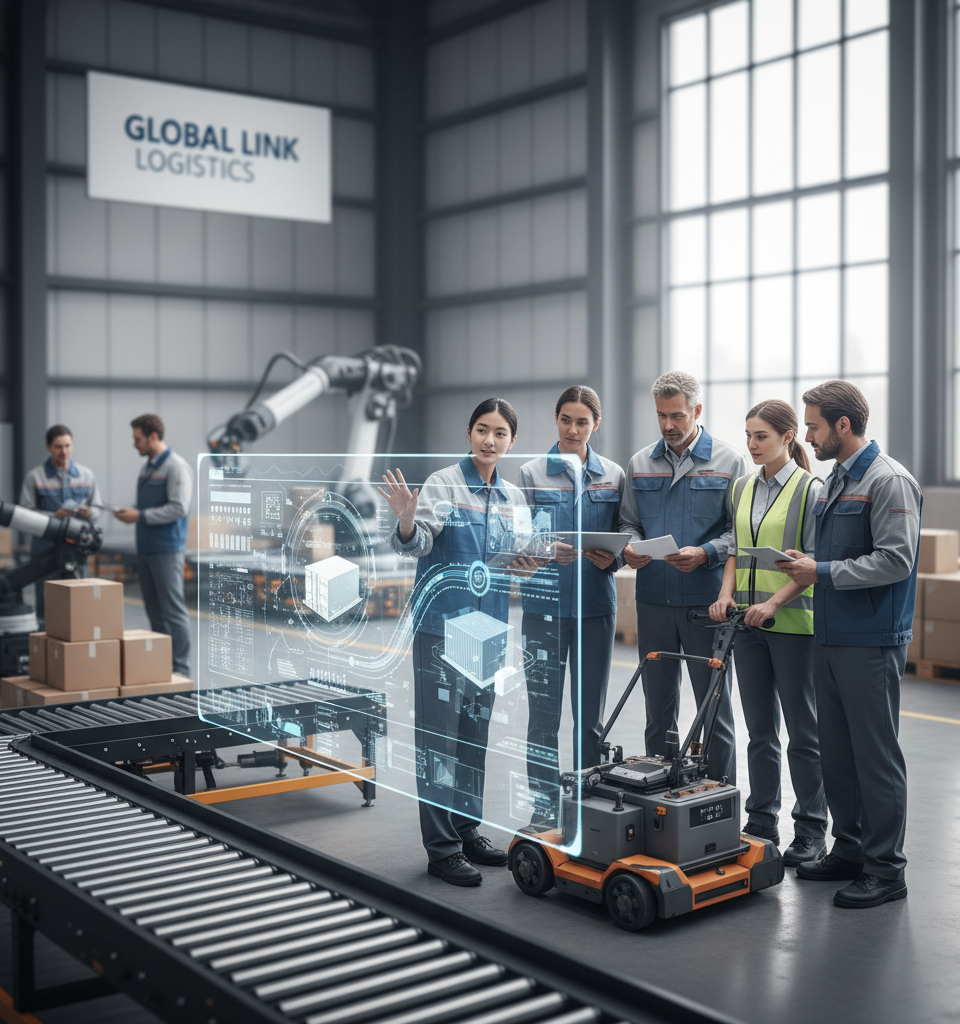
[CITY, STATE] – [DATE] – The global logistics sector is undergoing a profound transformation, with artificial intelligence (AI) emerging as a cornerstone of operational efficiency and strategic decision-making. However, a prevailing sentiment among prominent freight brokers and third-party logistics (3PL) providers is that while AI offers unprecedented capabilities, it acts as an augmentation, not a replacement, for the nuanced judgment and invaluable experience of human professionals. This dual approach signals a mature integration of technology, aiming for optimized processes alongside maintained service quality and client trust.
The Strategic Embrace of AI in Supply Chains
The adoption of AI within logistics extends across various critical functions, from demand forecasting and route optimization to warehouse management and predictive maintenance. Companies are leveraging machine learning algorithms to analyze vast datasets, anticipate market fluctuations, identify potential disruptions, and streamline complex supply chains. This technological integration promises significant improvements in speed, accuracy, and cost-effectiveness. For instance, AI-powered systems can now predict freight volumes with greater precision, enabling more efficient resource allocation and reducing empty mileage, consequently fostering a more sustainable logistics footprint.
The Indispensable Role of Human Expertise
Despite the clear advantages of automation, industry leaders consistently emphasize the enduring necessity of human intervention. Complex problem-solving, negotiation, relationship management, and adaptability to unforeseen circumstances remain firmly within the human domain. Freight brokers, for example, rely on their intricate understanding of market dynamics, carrier relationships, and client-specific needs to navigate volatile conditions and secure optimal outcomes that algorithms alone cannot achieve. Similarly, 3PLs deploy human insights to craft bespoke solutions, manage exceptions, and build the long-term trust that underpins successful partnerships.
Paving the Way for Hybrid Operating Models
The current trend suggests a shift towards robust hybrid operating models where AI handles routine, data-intensive tasks, freeing human experts to focus on higher-value activities. AI can automate paperwork, track shipments, and provide analytical insights, allowing logistics professionals to dedicate their time to strategic planning, crisis management, and complex client engagements. This synergy maximizes efficiency while leveraging human cognitive strengths, creating a more resilient and responsive supply chain ecosystem. The objective is to create an environment where technology empowers, rather than displaces, skilled human labor.
Industry Impact and Competitive Advantage
Companies successfully integrating AI alongside human expertise are rapidly gaining a competitive edge. Enhanced visibility, reduced operational costs, and improved service levels translate directly into increased market share and stronger client retention. Early adopters are reporting significant reductions in delivery times and substantial improvements in order accuracy. This strategic advantage is pushing more hesitant players to accelerate their AI implementation plans, recognizing that neglecting this technological shift could lead to obsolescence in an increasingly digitized industry.
Expert Perspectives on the Future of Logistics
According to leading industry analysts, the conversation has moved beyond whether to adopt AI to how best to integrate it. "The most successful logistics firms understand that AI is a tool to empower their workforce, not replace it," states Dr. Evelyn Reed, a supply chain technology consultant. "Human intuition and ethical decision-making are critical, especially when dealing with unforeseen disruptions or sensitive client relationships. AI can provide the data and predictions, but the final, often critical, judgment still rests with experienced professionals." This perspective underscores the blend of analytical rigor and human wisdom that defines modern logistics.
What's Next: Continuous Evolution and Ethical Considerations
The future of logistics will likely see an even deeper interwoven fabric of AI and human intelligence. Advancements in explainable AI (XAI) will make algorithms more transparent, fostering greater trust among human operators. Furthermore, the industry will need to grapple with ethical considerations surrounding data privacy, algorithmic bias, and the upskilling of the workforce. Continuous education and training programs will be paramount to ensure that logistics professionals can effectively interact with and leverage increasingly sophisticated AI tools. This ongoing evolution will shape a future where logistics is more intelligent, resilient, and inherently human-centric.