Cross-border supply chains and the efficiency of global goods movement are directly impacted by the operational risks and costs associated with logistics challenges. Companies reliant on international trade face increased expenses and disruptions from vulnerabilities like cargo theft.
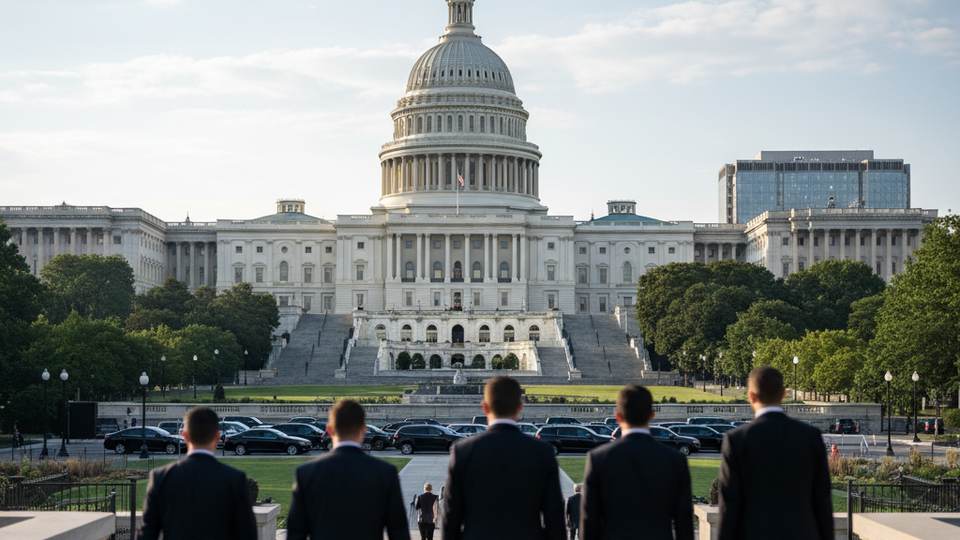
Third-party logistics (3PL) professionals recently converged on Capitol Hill, bringing a clear message to lawmakers: address the escalating challenges facing the freight industry. Organized by the Transportation Intermediaries Association (TIA), the lobbying effort on 2026-09-26 underscored a range of critical issues, with cargo theft emerging as a paramount concern demanding immediate legislative attention. Industry leaders outlined how these persistent problems are threatening the efficiency and security of the nation's supply chain.
Leading Concerns Highlighted
The TIA, representing a significant segment of the 3PL sector, facilitated direct engagement between its members and members of Congress. The primary objective was to educate legislators on the practical implications of current industry hurdles and to propose actionable solutions. While the full agenda covered diverse operational and regulatory concerns, the pervasive threat of cargo theft dominated many discussions. This criminal activity not only results in significant financial losses for businesses but also disrupts the flow of goods, leading to delayed deliveries and increased insurance premiums across the entire logistics ecosystem.
The Scope of Cargo Theft
Cargo theft has been steadily rising, affecting shipments ranging from high-value electronics to everyday consumer goods. These incidents often involve organized criminal networks targeting trailers, warehouses, and distribution centers. The financial impact extends beyond the immediate loss of goods, encompassing investigative costs, supply chain delays, and potential damage to customer relationships. For many 3PL providers, securing freight against theft has become a major operational and financial burden, directly influencing their ability to offer competitive and reliable services.
Broader Industry Challenges
Beyond cargo theft, TIA members highlighted several other systemic issues affecting the industry. These likely included, but were not limited to, challenges related to driver shortages, the need for infrastructure investment, the complexities of regulatory compliance, and the economic pressures of fuel costs and insurance rates. The collective aim was to foster a legislative environment that supports the growth and resilience of the logistics sector, which is foundational to the national and global economy.
Call for Legislative Action
The TIA's delegation urged lawmakers to consider a multi-pronged approach to address these issues. For cargo theft, this could involve increased funding for law enforcement task forces, enhanced intelligence sharing between agencies and the private sector, and potentially new legislation to stiffen penalties for offenders. Addressing the broader challenges may require policies that incentivize driver training and retention, streamline permitting processes, and ensure adequate funding for road and bridge maintenance. The professionals emphasized that proactive legislative intervention is crucial to prevent further deterioration of the freight environment.
Outlook and Implications
The sustained engagement between the TIA and policymakers signifies the industry's commitment to finding collaborative solutions. The outcome of these discussions could have significant implications for the operational landscape of third-party logistics providers. Successful advocacy could lead to improved security measures, reduced operational costs, and a more predictable regulatory environment, ultimately benefiting businesses that rely on efficient goods movement. The focus on cargo theft, in particular, signals a growing urgency within the industry to safeguard against financial losses and maintain supply chain integrity.
These ongoing discussions in Washington aim to ensure that the vital role of the 3PL sector is recognized and supported through effective legislative measures, protecting both national economic interests and the reliability of global commerce. The industry awaits potential legislative responses following these high-level meetings.