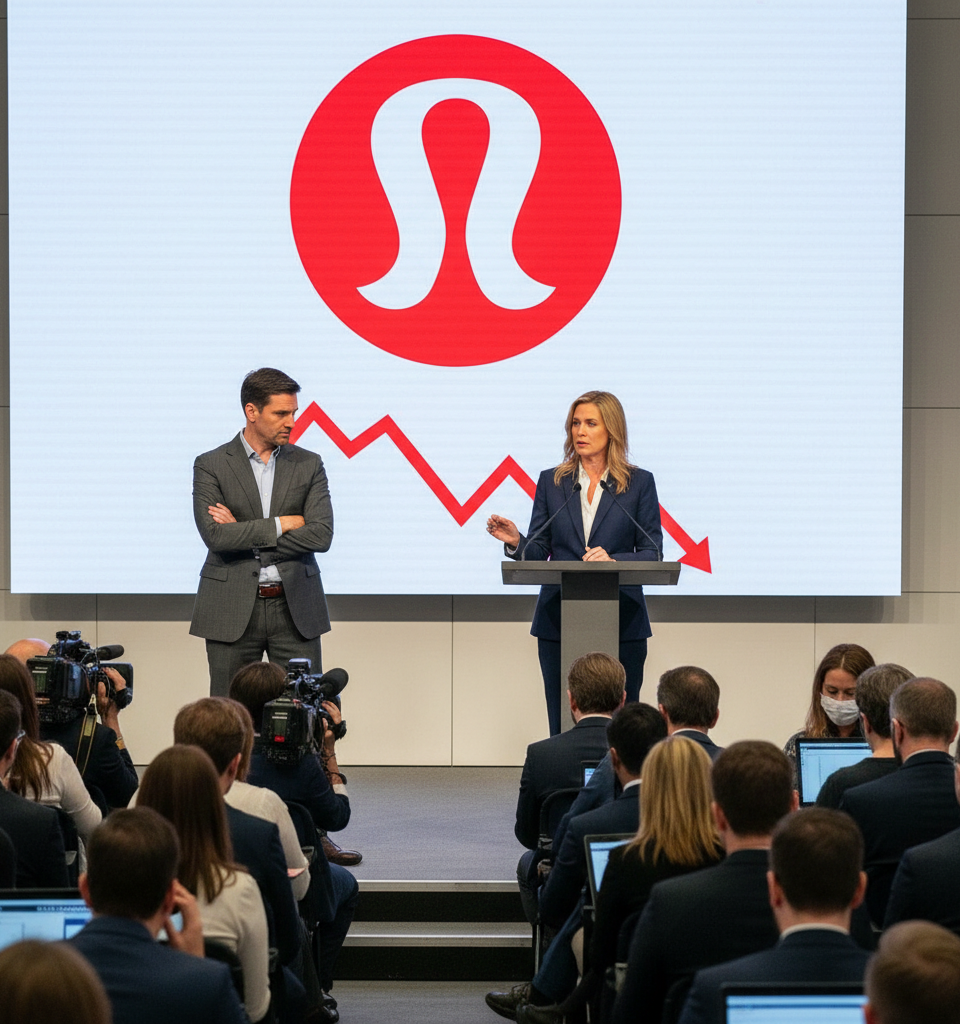
Lululemon Athletica Inc. is navigating a turbulent period marked by investor skepticism and a significant leadership transition. In late April, the prominent athletic apparel company announced the culmination of its months-long search for a new Chief Executive Officer, naming Heidi O’Neill, a 26-year veteran of Nike, to succeed Calvin McDonald. McDonald's departure in 2025 after a six-year tenure had been abrupt, but the announcement of O'Neill's appointment immediately sent shockwaves through the market, with Lululemon's stock experiencing a notable plunge. This immediate negative reaction from investors signaled a clear lack of confidence in the board's choice, setting a challenging tone for O'Neill's impending leadership.
Context and Background
This leadership shuffle comes at a critical juncture for Lululemon, a brand synonymous with premium athletic wear and a strong customer loyalty base. McDonald's tenure saw significant growth, expanding Lululemon's footprint internationally and diversifying its product offerings beyond its core yoga apparel. The unexpected vacancy created uncertainty, and the subsequent selection process was closely watched.
The market's adverse reaction to O'Neill's appointment, particularly given her extensive background at a direct competitor like Nike, suggests that investors may perceive a departure from Lululemon's distinct brand identity or a lack of understanding of its unique market position. Many analysts, including prominent industry commentators, have voiced concerns that the company might be heading for a period of strategic drift, reminiscent of challenges faced by other major apparel brands during leadership transitions.
Key Details and Market Reaction
Following the announcement, Lululemon's shares dropped by approximately 7% within the first 24 hours, eroding millions in market capitalization. This immediate investor response contrasted sharply with the typical positive bump a new CEO appointment often brings, especially for a company of Lululemon's stature. Analysts have pointed out that while O'Neill's experience at Nike is undeniable, her expertise primarily lies in a mass-market, multi-sport brand, which differs significantly from Lululemon's more niche, premium, and experience-driven retail model.
Her role as President of Consumer and Marketplace at Nike involved overseeing global retail, digital, and brand initiatives, but critics question whether this experience translates effectively to Lululemon's specialized brand ethos and growth strategies. The board, however, has publicly expressed confidence in O'Neill's ability to drive innovation and global expansion, citing her proven track record in brand building.
Industry and Market Impact
Lululemon's leadership predicament resonates across the athletic apparel industry, highlighting the intense scrutiny placed on executive decisions in a highly competitive market. The industry has seen fluctuating consumer demand, evolving fashion trends, and increased competition from both established players and agile direct-to-consumer brands. A successful Lululemon has traditionally been seen as a bellwether for premium activewear. A misstep in leadership or strategy could create opportunities for competitors like Alo Yoga, Athleta, or even Nike and Adidas to capture market share. The immediate stock downturn also signals a broader investor anxiety about executive transitions, raising questions about board governance and succession planning practices within leading corporations.
Expert Perspective and Analyst Concerns
Industry experts and financial analysts have largely echoed the market's initial concerns. "This isn't just about a change at the top; it's about the perceived strategic direction of a beloved brand," stated one retail analyst, who requested anonymity due to ongoing client relations. " Several analysts have drawn parallels to past leadership changes at other major apparel companies that resulted in significant brand identity crises or prolonged periods of underperformance.
The focus is now squarely on O'Neill's ability to articulate and execute a distinct strategy that respects Lululemon's core values while also driving necessary innovation and growth. Her initial public statements and strategic outlines will be critically analyzed for any hints of a 'Gap moment' – a period where a brand loses its way by attempting to emulate competitors rather than staying true to its unique selling proposition.
What's Next: Future Implications
All eyes are now on Heidi O'Neill as she prepares to formally assume the CEO role. Her immediate priorities will undoubtedly include stakeholder engagement, reassuring investors, and formulating a coherent strategic plan that addresses current market anxieties. This will likely involve a strong emphasis on maintaining Lululemon's premium positioning, fostering innovation in product design, and continuing its global expansion, particularly in key Asian markets.
The coming quarters will be crucial for O'Neill to prove that her vision aligns with Lululemon's unique brand identity and growth aspirations. The performance of Lululemon's stock and its market share in the rapidly evolving activewear landscape will serve as key indicators of whether the company can successfully navigate this challenging transition period and capitalize on global opportunities without alienating its loyal customer base or its investor community.