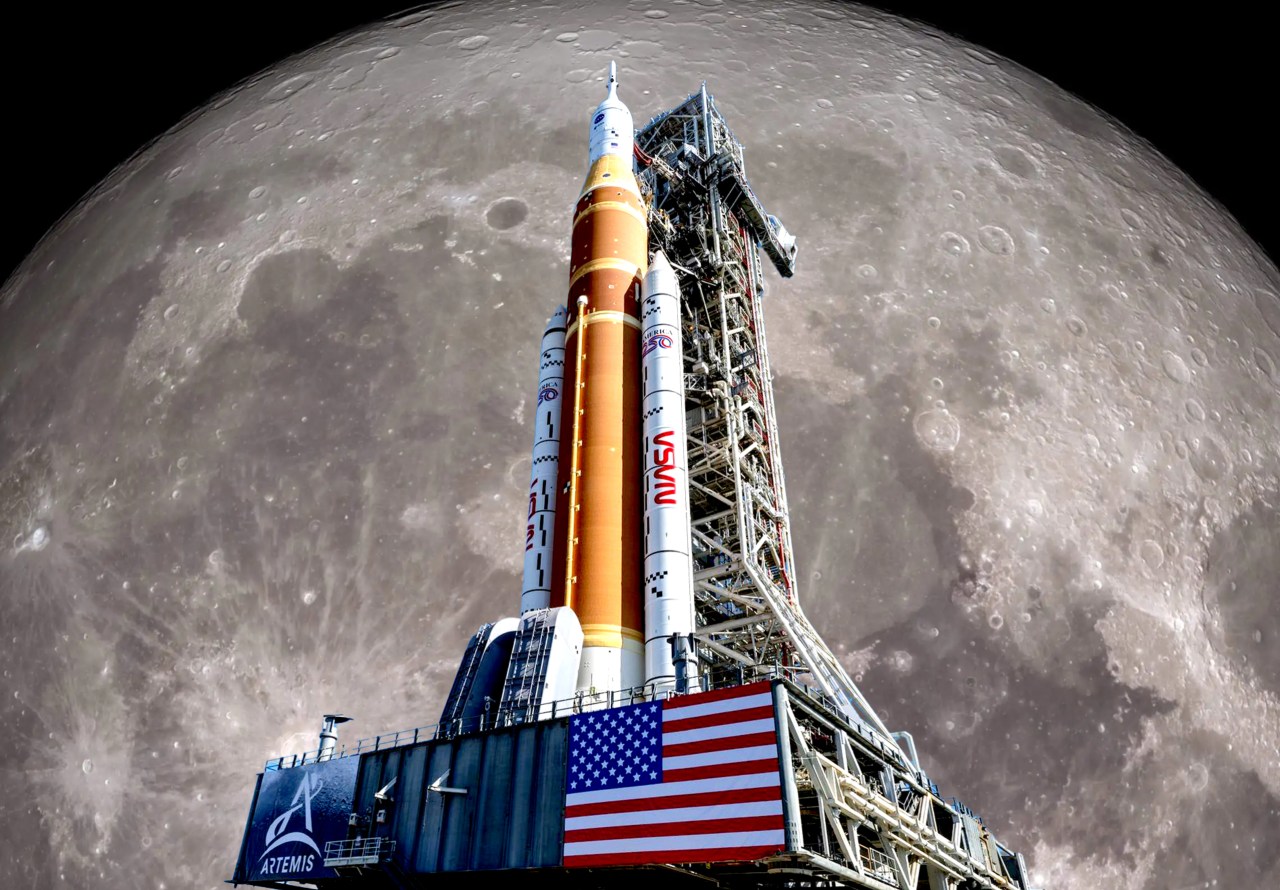
Washington D.C. – October 26, 2023 – The global space industry is buzzing with renewed vigor as a palpable lunar gold rush takes hold, driven by NASA's ambitious Artemis program and the escalating involvement of private sector titans such as Elon Musk's SpaceX and Jeff Bezos's Blue Origin. With Artemis II poised for its crewed lunar flyby in late 2024, the immediate focus is shifting from purely scientific exploration to the nascent – yet potentially lucrative – lunar economy, prompting intense scrutiny into whether these monumental investments can yield substantial financial returns.
A New Era of Lunar Ambition
For decades, lunar missions were the exclusive domain of state-funded agencies, driven primarily by Cold War competition and scientific curiosity. Today, a confluence of technological advancements, shrinking launch costs, and strategic geopolitical interests has redefined the lunar landscape. The Artemis program aims not just to return humans to the Moon, but to establish a sustained human presence, laying the groundwork for a lunar economy that could encompass everything from resource extraction to space tourism and scientific research. This paradigm shift fundamentally alters the investment calculus, moving from pure expenditure to potential revenue generation.
Key Players and Astronomical Investments
The scale of investment is staggering. NASA's Artemis program, with an estimated cost exceeding $93 billion by 2025, is primarily facilitating missions and developing foundational infrastructure. However, private companies are pouring billions into their own lunar-focused endeavors. SpaceX's Starship, envisioned as the primary human landing system for Artemis III, represents a multi-billion-dollar development. Blue Origin, through its Blue Moon lander, also secured a significant $3.4 billion contract from NASA for future lunar missions, intensifying the competitive landscape. These investments underscore a belief that the Moon offers more than just science – it offers significant economic opportunity.
Industry Impact: Beyond Government Contracts
The burgeoning lunar economy is poised to create a multifaceted industry. Beyond direct NASA contracts, private firms are eyeing opportunities in lunar resource utilization (e.g., water ice for fuel or life support), infrastructure development (habitats, power grids, communication networks), and even specialized manufacturing in low lunar gravity. Reports from organizations like Goldman Sachs project the broader space economy to reach over $1 trillion by 2040, with significant portions attributed to lunar activities. This expansion will likely foster an ecosystem of ancillary services, from lunar logistics to data analytics and environmental monitoring on the Moon.
Expert Perspectives: Opportunities and Challenges
Industry analysts are cautiously optimistic about the lunar economy's trajectory but emphasize the long-term nature of profitability. Dr. Sarah Johnson, a space economy expert at the Aerospace Corporation, notes, "While the initial revenue streams are heavily government-dependent, the long-term vision involves commercial off-takers for lunar resources and services. The challenge lies in developing cost-effective technologies and demonstrating viable business models beyond early governmental contracts." She adds, "The regulatory framework for lunar property rights and resource extraction is still in its infancy, posing a significant hurdle for private investment." Skeptics highlight the immense technical risks and high capital expenditures as potential deterrents to rapid commercialization.
What's Next: A Decade of Lunar Evolution
The coming decade will be pivotal. Following Artemis II's circumlunar flight, Artemis III aims to land humans on the lunar south pole as early as 2025 or 2026. Subsequent Artemis missions will focus on establishing a sustainable lunar base – the Artemis Base Camp – facilitating longer-duration stays and scientific research. Simultaneously, private missions, including commercial landers carrying scientific payloads and technology demonstrators, are expected to increase in frequency. The development of Starship and Blue Moon will be crucial for reducing the cost of access to the lunar surface. The true test of the lunar economy will be the emergence of self-sustaining commercial ventures requiring minimal government subsidies, transitioning from a government-led initiative to a truly market-driven enterprise by the late 2030s.