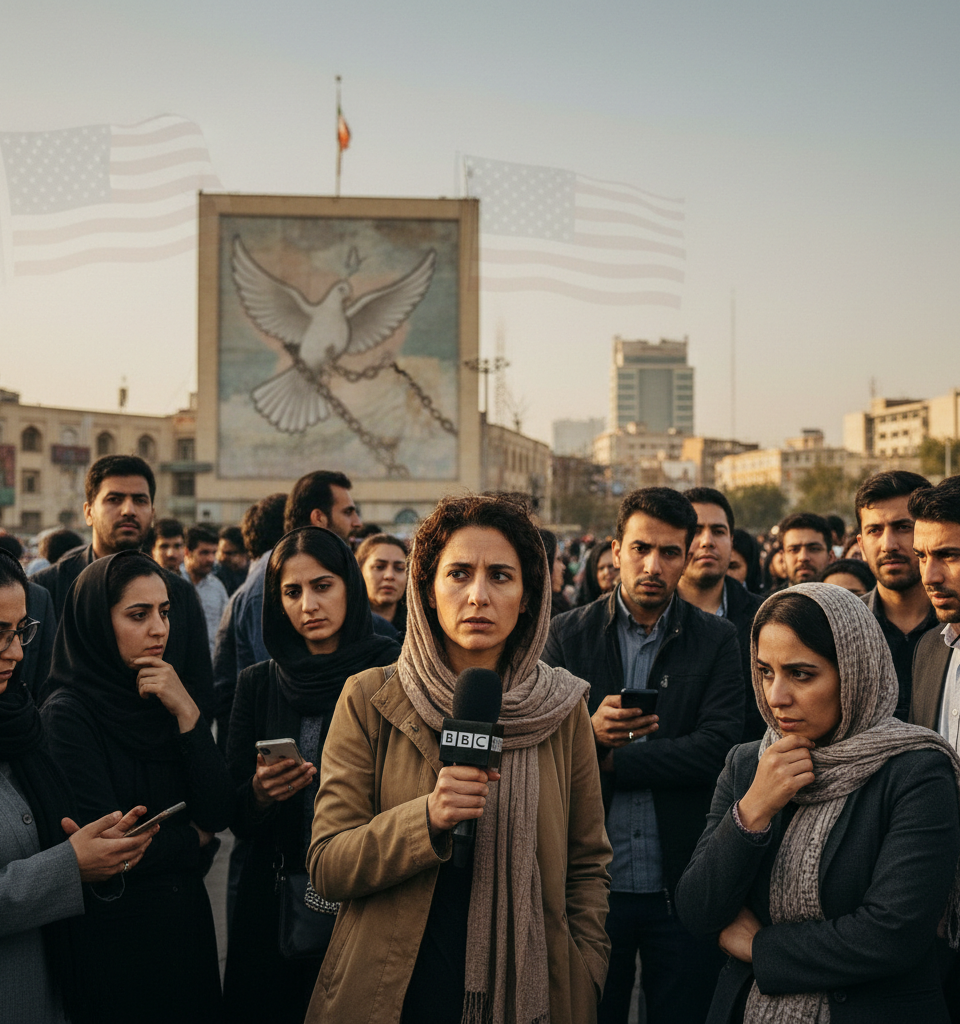
TEHRAN, Iran – May 19, 2026 – As a precarious ceasefire holds across the region, chief international correspondent Lyse Doucet is reporting from Iran, illuminating the fervent diplomatic efforts underway to avert a slide back into open warfare. The central focus of concern and discussion among the Iranian populace, and indeed across political circles, is whether an agreement can realistically be forged with the United States to secure a more enduring peace and de-escalation of tensions.
The current situation in Iran is marked by a palpable sense of anticipation and apprehension. The fragility of the prevailing ceasefire underscores the critical juncture at which regional diplomacy now stands. International observers and engaged parties are keenly aware that the cessation of hostilities is tenuous, making the success or failure of ongoing negotiations paramount. The stakes are acutely high, with the potential for any misstep to unravel the fragile gains made and plunge the region into renewed instability. This atmosphere of uncertainty forms the backdrop for Lyse Doucet's extensive reporting, offering a ground-level perspective from inside a nation grappling with its immediate future.
Intensifying Diplomatic Overtures
Diplomatic channels have reportedly intensified in recent weeks, with various intermediaries and international bodies working diligently to bridge the chasm between Tehran and Washington. These efforts are understood to be complex, navigating decades of mistrust and a labyrinth of geopolitical interests. While specific details of these negotiations remain largely undisclosed, the focus is believed to be on a comprehensive framework that could address nuclear concerns, regional security, and sanctions relief – key pillars that have historically fueled friction between the two nations. The current push for a diplomatic resolution reflects a recognition from all sides of the catastrophic potential should the ceasefire degrade into renewed armed conflict.
The imperative to avoid a return to war is a dominant theme emanating from Tehran. Many Iranians, having endured periods of heightened tension and economic strain, are reportedly weary of perpetual conflict. Their hopes, therefore, are inextricably linked to the efficacy of these diplomatic initiatives. The economic impact of prolonged instability and international sanctions has been significant, and a lasting resolution is seen as a crucial pathway to national recovery and stability. The internal discussions within Iran, as highlighted by Doucet's observations, illustrate a nation weighing the benefits and compromises inherent in any potential agreement with the U.S.
Broader Regional and Global Implications
The outcome of these diplomatic endeavors extends far beyond the immediate borders of Iran and the United States. A successful resolution could significantly reshape the geopolitical landscape of the Middle East, potentially paving the way for broader regional de-escalation and new avenues for cooperation. Conversely, a failure to secure a deal could trigger a cascade of destabilizing events, impacting global energy markets, international security alliances, and humanitarian efforts. Neighboring countries and global powers are thus watching these developments with intense interest, their own strategic calculations highly dependent on the forthcoming diplomatic trajectory.
While the reporting from Lyse Doucet primarily focuses on the domestic sentiment within Iran and the diplomatic intensity, the broader implications for international relations cannot be overstated. Should a deal materialize, it would mark a significant diplomatic achievement, demonstrating the possibility of resolving seemingly intractable conflicts through negotiation. However, if talks falter, the international community would face the daunting challenge of managing renewed tensions and preventing escalation, underscoring the critical nature of the current moment.
The Path Ahead: Hopes and Hurdles
The road to a comprehensive deal remains fraught with challenges. Historical grievances, deeply entrenched ideological positions, and domestic political pressures in both Iran and the United States continue to pose significant hurdles. However, the renewed diplomatic push, occurring under the fragile umbrella of the current ceasefire, suggests a mutual recognition of the urgent need for de-escalation. The next few weeks are expected to be critical, with close attention paid to any statements or movements from diplomatic envoys and national leadership.
For the Iranian people, as Lyse Doucet's reporting underscores, the question of a U.S. deal is not merely political; it is deeply personal, influencing their daily lives and hopes for a peaceful future. The world watches, hoping that the intensifying diplomatic efforts can indeed translate into a durable agreement, effectively averting a return to the specter of war and laying the groundwork for a more stable regional order.