A Storied Past Meets Present-Day Challenges
For nearly a century, the Magnificent Mile has been synonymous with high-end shopping, drawing millions of tourists and local patrons to its opulent boutiques and flagship stores. Historically, it boasted some of the nation's highest retail rents, a testament to its desirability. However, the COVID-19 pandemic, coupled with civil unrest and a subsequent decline in foot traffic, dealt a severe blow to the district. By 2023, approximately one-third of its retail space lay vacant, a stark contrast to its pre-pandemic vibrancy, impacting everything from property values to the city's tax revenue. The recovery of this vital artery is not merely an economic matter, but a psychological one for the city of Chicago.
Strategic Interventions Drive Momentum
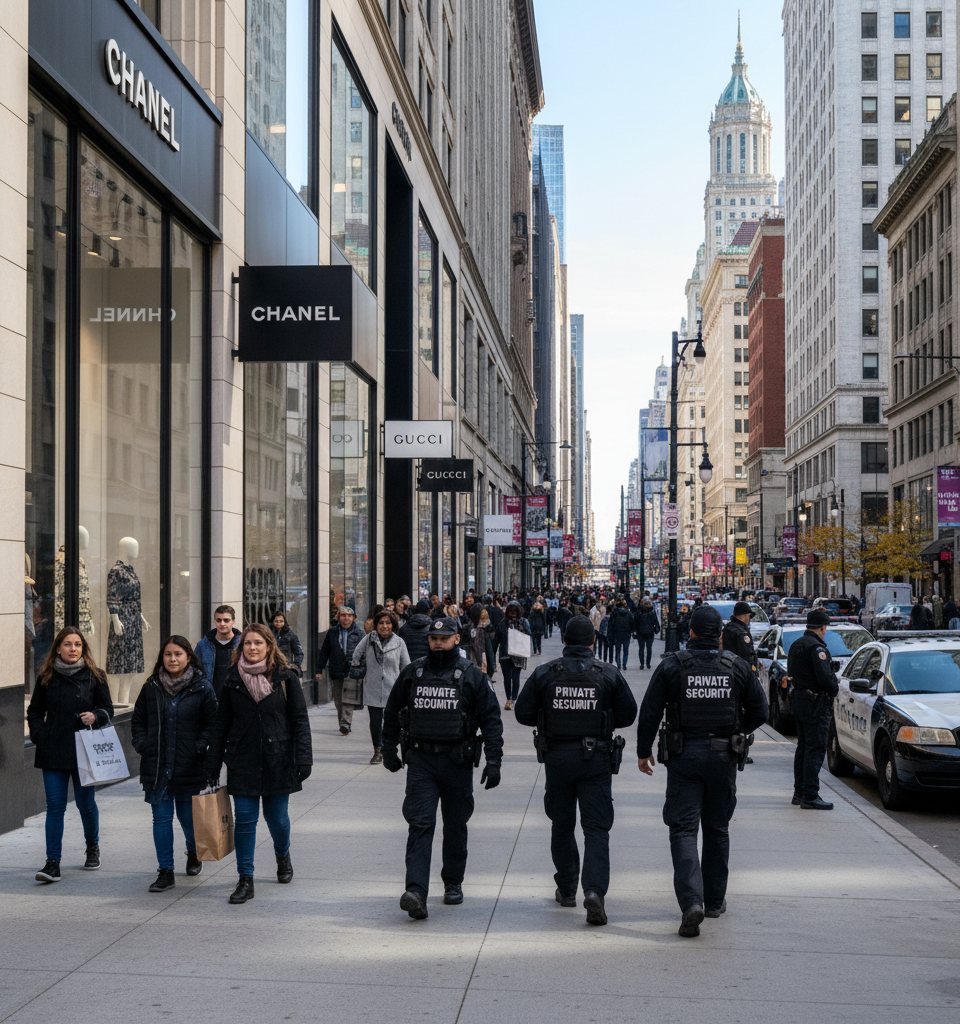
The current rebound is not accidental but the result of concerted efforts. Local authorities, business associations, and property owners have collaborated on a multi-pronged approach. Critically, enhanced security patrols, including both private and public sector initiatives, have been instrumental in restoring a sense of safety and order. Concurrently, landlords, recognizing the imperative to re-tenant vacant spaces, have become more flexible on lease terms and rental rates. While specific figures are proprietary, sources indicate a measurable decrease in average asking rents compared to pre-pandemic peaks, making the area more accessible to a broader range of retailers. This shift has attracted a mix of new luxury brands and innovative retail concepts, diversifying the corridor's offerings.
Far-Reaching Industry and Market Impact
The recovery of the Magnificent Mile holds significant implications beyond its immediate geographic confines. As a bellwether for urban retail health, its revitalisation sends a positive signal to investors and retailers considering other major metropolitan markets. A thriving Magnificent Mile bolsters Chicago's appeal as a global tourist destination and strengthens its competitive stance against other major retail hubs like New York's Fifth Avenue or Rodeo Drive in Los Angeles. The influx of new businesses creates job opportunities, stimulates the local economy, and contributes to the city's tax base, providing much-needed revenue for public services.
Expert Insights on Urban Retail Evolution
Industry experts view this evolution as a necessary adaptation rather than a mere return to the status quo. "The Magnificent Mile's struggles forced a reckoning," notes Sarah Chen, a senior retail analyst at Paragon Commercial Real Estate. "Landlords had to acknowledge the shifting consumer landscape and the paramount importance of safety. The competitive pricing, coupled with a renewed focus on tenant mix, suggests a more sustainable model emerging." Chen emphasizes that retailers are now seeking experiences that transcend pure product transactions, a trend shaping tenant selection on the Mile. "It's no longer just about luxury brands; it's about creating a destination that offers unique value and a sense of security."
The Path Forward: Sustaining Growth and Adaptation
Looking ahead, the challenge for the Magnificent Mile will be to sustain this positive momentum and continue to adapt to evolving consumer preferences. Future developments may include further diversification of tenants, potentially incorporating more experiential retail, dining options, and even residential components to ensure year-round vibrancy. The ongoing collaboration between public and private entities on security and public realm improvements will be crucial. Observers anticipate continued strategic re-evaluations of rental strategies and a proactive approach to placemaking to ensure the Magnificent Mile not only recovers but thrives as a dynamic and secure destination for the next generation of shoppers and visitors.