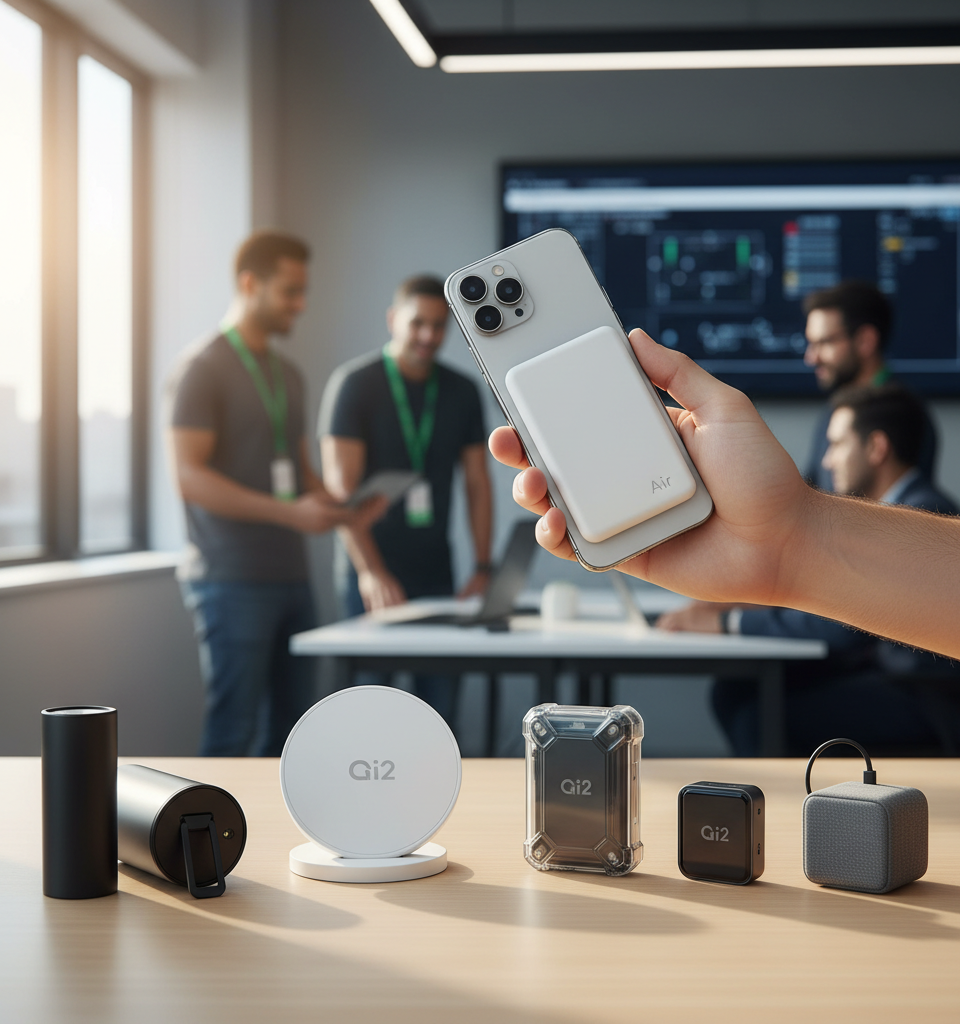
The launch of the iPhone Air has once again brought MagSafe battery packs into the spotlight, with Apple reintroducing its own optimized version priced at $99. This integrated charging solution, designed specifically for the iPhone Air, offers a slim profile, yet its comparatively weak capacity is leading many iPhone users, particularly those with the iPhone 17 or other models, to explore more robust Qi2-compatible options available on the market as of June 28, 2026.
This development underscores a broader trend in mobile accessory technology, where user demand for convenience intersects with the need for practical, high-capacity power solutions. Apple's initial MagSafe battery pack for previous iPhone generations was met with mixed reviews, largely due to its capacity limitations. The current iteration for the iPhone Air appears to follow a similar philosophy, prioritizing form factor and integration for the specific device it accompanies. This strategic decision by Apple often opens the door for third-party manufacturers to innovate and fill perceived gaps in functionality or capacity, catering to a wider range of user needs and device compatibility.
The core of the discussion revolves around the balance between portability, system integration, and raw power output. Apple's $99 MagSafe pack for the iPhone Air is optimized for that specific device, likely offering seamless software integration and charging safeguards. However, its 'rather weak' capacity suggests it may be designed more for short top-ups throughout the day rather than a full device recharge, especially for power-hungry users or those away from traditional power outlets for extended periods. This limitation makes the burgeoning market of Qi2 alternatives particularly compelling.
The advent of the Qi2 standard, building upon the foundations of MagSafe's magnetic alignment, has democratized efficient wireless charging. These alternatives are designed to offer significantly higher capacities, providing more substantial power reserves for the iPhone 17, iPhone Air, and other MagSafe-compatible iPhones. For consumers not planning to purchase the iPhone Air, or those prioritizing endurance over the specific design aesthetic of Apple's first-party accessory, Qi2 battery banks present a powerful and often more versatile option. The market is currently seeing a proliferation of these devices, each vying for consumer attention with varying capacities, features, and price points.
The ecosystem of MagSafe and Qi2 charging solutions is rapidly expanding, offering consumers unprecedented choice. While Apple's proprietary MagSafe pack for the iPhone Air is a testament to tight hardware-software integration, the broader industry has responded by leveraging the open Qi2 standard to deliver more powerful and often more cost-effective solutions. This healthy competition benefits the end-user, providing options tailored for different use cases – from sleek, integrated convenience to extended, high-capacity power.
Looking ahead, the evolution of portable charging will likely continue to be driven by advancements in battery density and wireless charging efficiency. As integrated power demands on smartphones increase with new features and improved processors, the need for effective external power sources will only grow. The market is expected to witness further innovation in both MagSafe-certified accessories and the broader Qi2 ecosystem, potentially leading to even smaller, lighter, and more powerful battery banks. Consumers are likely to see continued advancements in charging speeds, thermal management, and smart power delivery, making decisions about portable power solutions increasingly nuanced. The ongoing debate between proprietary 'optimized' solutions and open-standard, feature-rich alternatives will define the landscape for the foreseeable future.
Ultimately, the choice facing iPhone users, whether with an iPhone Air, an iPhone 17, or another compatible model, hinges on their individual priorities. The $99 Apple MagSafe pack provides a bespoke, streamlined experience for the iPhone Air, prioritizing Apple's signature design principles. In contrast, the diverse array of Qi2 battery banks offers a compelling proposition for those seeking greater capacity, broader compatibility, and potentially more competitive pricing in their quest for on-the-go power.