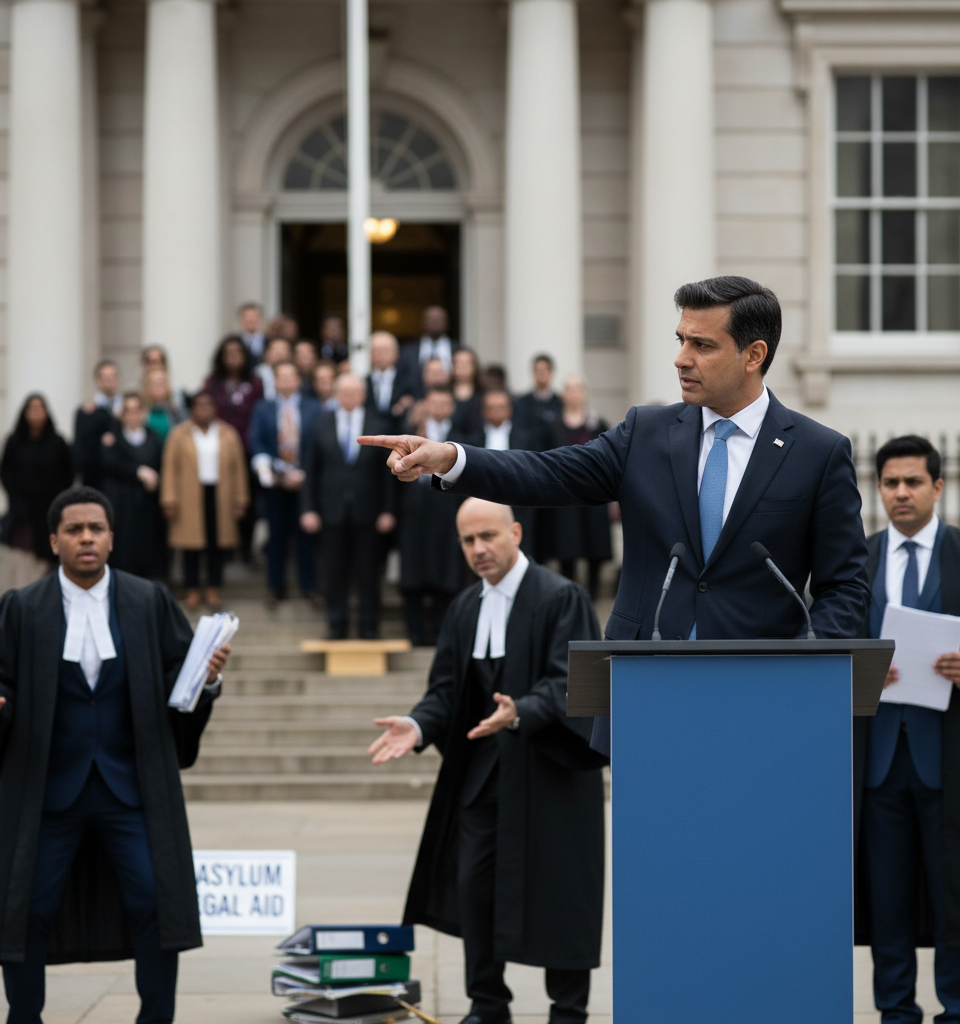
Immigration Minister Mahmood has declared his intention to take stringent measures against what he terms 'sham lawyers' who are allegedly manipulating the UK's asylum system. The minister's announcement follows a recent investigation by the BBC, which brought to light practices where certain law firms and advisors are reportedly coaching migrants to fabricate claims of being gay to improve their chances of obtaining asylum in the United Kingdom.
The scandal casts a significant shadow over the integrity of the UK's immigration processes and legal aid provisions. These revelations underscore long-standing concerns regarding potential vulnerabilities within the asylum framework, particularly concerning sensitive personal disclosures related to sexuality and gender identity. The government has consistently emphasized the importance of a robust yet fair asylum system, and these alleged abuses threaten to erode public trust and divert resources from genuine asylum seekers.
Allegations of Deception and Exploitation
The BBC's investigation detailed how some legal practitioners are reportedly advising individuals seeking asylum on how to present false narratives regarding their sexual orientation. This alleged manipulation is said to involve detailed coaching on LGBTQ+ culture, terminology, and experiences, designed to create a convincing but fraudulent claim of persecution based on sexual identity. Such practices, if proven widespread, represent a profound ethical breach within the legal profession and a serious misuse of the protections afforded by international and domestic asylum laws.
While specific names of firms or individuals involved have not been publicly disclosed beyond the initial BBC report, the minister's strong language suggests a governmental resolve to pursue accountability. The implications extend beyond individual cases, potentially undermining public confidence in the legal sector's role in upholding justice, especially for vulnerable individuals seeking refuge. The Home Office has previously raised concerns about a minority of unscrupulous legal professionals exploiting the system for financial gain, often at the expense of both the state and the asylum seekers themselves.
Broader Implications for Legal and Asylum Systems
This controversy is expected to trigger a significant re-evaluation of oversight mechanisms within the legal profession, particularly for firms specializing in immigration law. Regulatory bodies, such as the Solicitors Regulation Authority (SRA), are likely to face increased pressure to investigate these allegations thoroughly and to implement stricter enforcement protocols. The scandal could also lead to a review of the evidentiary requirements for asylum claims based on sexual orientation, potentially introducing more rigorous verification methods, although this would need to be carefully balanced against the need to protect genuine claimants from undue scrutiny or re-traumatization.
Furthermore, the incident highlights the complex challenges faced by immigration authorities in distinguishing between genuine and fraudulent asylum claims, especially when dealing with deeply personal and often uncorroborated narratives. The focus on 'sham lawyers' signals a shift towards addressing the enablers of fraudulent claims, rather than solely focusing on the claimants themselves. This approach suggests a recognition within the government that malpractice within the legal advisory sector plays a crucial role in the exploitation of the asylum system.
Next Steps and Anticipated Reforms
Minister Mahmood's commitment to action indicates that the government is preparing to roll out measures aimed at combating such abuses. This could include enhanced powers for regulatory bodies, increased funding for investigations into legal malpractice, or even legislative changes designed to penalize firms and individuals found to be facilitating fraudulent asylum claims. There is also likely to be a renewed emphasis on ethical conduct within professional legal training and ongoing professional development.
The revelations come at a time when the UK government is already under significant pressure to manage immigration levels and ensure the fairness and efficiency of its asylum processes. Any reforms stemming from this scandal will be closely watched by human rights organizations, legal aid groups, and the public, all of whom have a vested interest in a system that is both just and effective. The fight against 'sham lawyers' is presented as a critical step in restoring integrity to a system perceived by some to be vulnerable to exploitation.