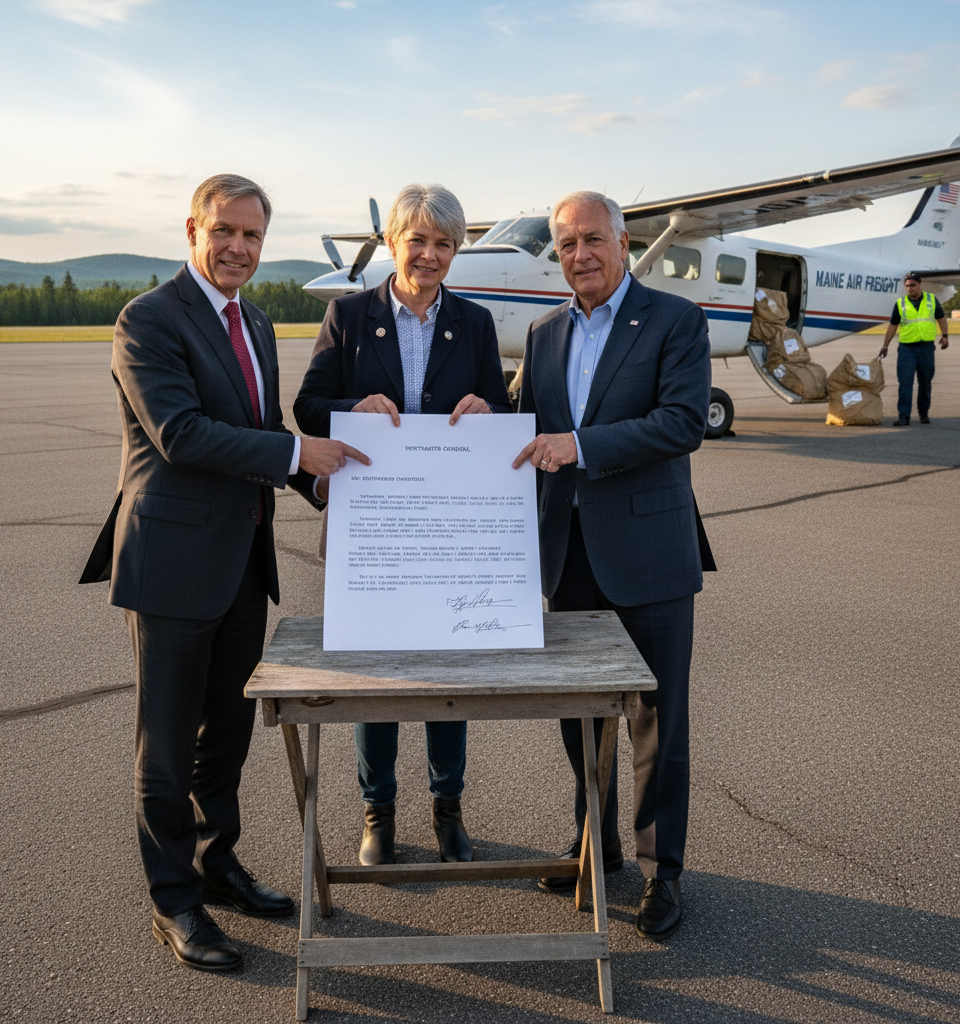
S. S. Postal Service's failure to remit nearly $350,000 in payments to a critical air carrier serving the state. This significant delinquency, which has accumulated over several months, directly jeopardizes essential mail and cargo service to numerous rural communities, raising alarms about the USPS's financial management and its impact on the reliability of nationwide postal operations.
Context of the Crisis
This dispute highlights a broader pattern of financial strain within the USPS and its contractors, particularly those operating in less profitable, rural routes. The air carrier in question, which has not been publicly named but is understood to facilitate critical connections for isolated communities, relies heavily on timely payments to cover operational costs, including fuel, maintenance, and personnel. For these communities, air delivery is not merely a convenience but a lifeline, enabling access to medications, crucial documents, and commercial goods that are otherwise logistically challenging or impossible to transport efficiently. The historical relationship between the USPS and its transportation partners has often been fraught with contractual complexities and payment disputes, which are exacerbated during periods of economic instability or operational overhauls within the Postal Service.
Unpaid Dues and Political Pressure
The outstanding amount, reported to be approximately $350,000, represents a substantial portion of the carrier's operating capital, particularly for a regional or specialized operator. The legislators, including Senator Susan Collins, Senator Angus King, Representative Chellie Pingree, and Representative Jared Golden, collectively penned a letter to Postmaster General DeJoy, urging immediate action. They emphasized that the carrier has continued to fulfill its contractual obligations despite the significant payment arrears, illustrating the dedication of these small businesses to their communities even in the face of financial duress. The lawmakers stressed that further delays could force the carrier to cease operations, leading to dramatic disruptions in mail service across an already vulnerable region. They have requested a detailed explanation for the payment default and a concrete timeline for resolution.
Impact on Rural Connectivity Beyond the immediate financial burden on the air carrier, this situation underscores the fragility of logistical networks supporting rural America.
The potential cessation of air service would not only delay mail but also disrupt the flow of essential medical supplies, perishable goods, and e-commerce deliveries that have become increasingly vital. In many of Maine's remote areas, ground transportation options are limited by challenging terrain, inclement weather, and extended transit times. Relying solely on ground routes would dramatically increase delivery times and operational costs, effectively isolating these communities further and widening the digital and economic divide between urban and rural areas.
Expert Commentary and Industry Concerns
Logistics experts and postal watchdogs have long voiced concerns about the USPS's financial health and its impact on service quality, particularly since the implementation of Postmaster DeJoy's controversial “Delivering for America” plan. David Williams, a former Inspector General for the Postal Service, has previously noted that such payment delays often stem from bureaucratic inefficiencies, outdated contracting systems, or treasury management issues within the USPS. He stated, “It’s a symptom of a larger problem where contractors, especially smaller ones, bear the brunt of systemic issues at the Postal Service.” Industry analysts suggest that this incident could deter other small carriers from partnering with the USPS, exacerbating an already challenging recruitment and retention environment for postal logistics providers. This also raises questions about the transparency and accountability mechanisms in place for the USPS when dealing with its contractors.
What Lies Ahead
The congressional delegation awaits a formal response from Postmaster General DeJoy and expects a swift resolution to the outstanding payments. Should the situation remain unresolved, further legislative pressure, including potential hearings or inquiries into USPS contracting practices, could follow. The incident also serves as a stark reminder of the delicate balance between cost-cutting measures within the USPS and its foundational mission to provide universal service. The long-term implications could see a reevaluation of contract terms for rural air carriers, potentially leading to more favorable or secure payment structures to prevent similar crises, or conversely, a further consolidation of rural routes into larger, ground-based networks, fundamentally altering the landscape of mail delivery in remote regions. The outcome will be closely watched by other postal contractors nationwide.