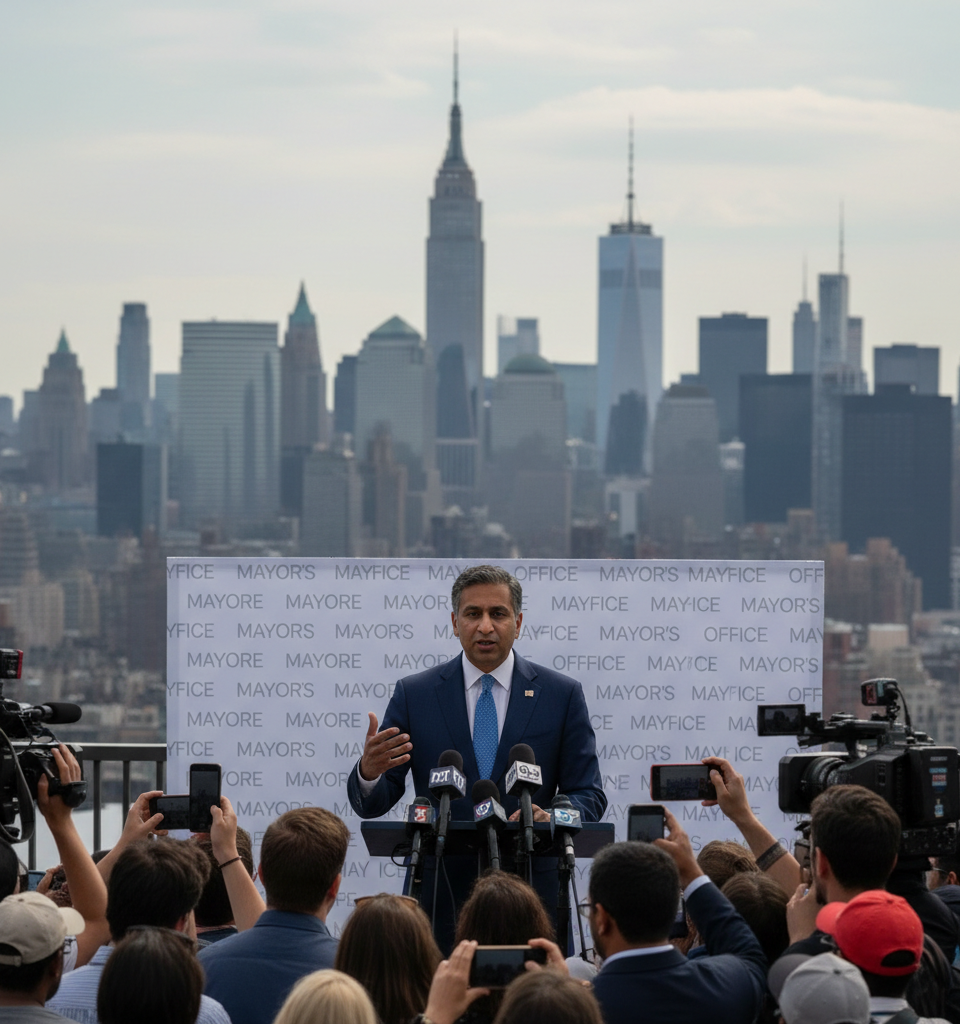
NEW YORK, NY – Mayor Zohran Mamdani's nascent administration is under the microscope as New Yorkers and political observers eagerly track the implementation of his ambitious campaign platform. Elected on a wave of progressive enthusiasm, Mamdani staked his mayoral bid on a series of transformative pledges, and his first few months in office have been defined by the immediate challenges of translating those promises into tangible policy. This comprehensive report offers an early assessment of where seven of his most significant commitments currently stand, examining initial successes, formidable obstacles, and the roadmap ahead for the nation's largest city.
Context and Significance of the Mandate
Mamdani’s victory was broadly interpreted as a mandate for significant change, particularly in addressing the city's persistent crises in affordability, homelessness, and public transit. His campaign resonated with voters disillusioned by incremental solutions, promising bold action on issues that have long plagued the metropolis. The stakes are particularly high given the city's post-pandemic recovery efforts, coupled with escalating living costs that have pushed many long-time residents to the brink. His promises were not merely policy proposals but a direct response to a palpable public demand for a more equitable and functional New York, making their progress — or lack thereof — a critical indicator of his administration's trajectory.
Key Pledges Under Review: Progress and Hurdles
Among the seven central pledges, the most closely watched include the "Affordable Homes for All" initiative, which promised to build 100,000 new units of deeply affordable housing within four years. While initial steps have been taken, including the allocation of an additional $2.5 billion in the preliminary budget for housing development and the fast-tracking of zoning reviews, critics point to the inherent challenges of land acquisition and community resistance. Similarly, his promise to significantly increase public transit funding by 20% to modernize the MTA, contingent on state legislative approval, remains a significant political battle. Progress on the "Green New Deal for NYC," aiming for 100% renewable energy by 2035, has seen the administration initiate two major solar farm projects in upstate New York, projected to provide 15% of the city’s electricity demand by 2028, though the complete overhaul of the energy grid represents a monumental undertaking.
Industry and Market Impact
The Mayor’s agenda is already sending ripples through various sectors. The real estate market, for instance, is cautiously observing the housing initiatives, with developers weighing the potential for increased regulatory burdens against new opportunities in affordable housing development. Construction firms anticipate a boom in public-works contracts if transit and infrastructure projects gain traction. The tech sector is also watching closely, particularly regarding promised investments in tech education and digital infrastructure, which could shape the city’s competitiveness as a global innovation hub. Economic analysts predict that successful implementation of these pledges could stimulate job growth, potentially adding an estimated 75,000 new jobs over the next five years, especially in construction, clean energy, and public service sectors.
Expert Perspectives on the Road Ahead
"Mayor Mamdani has articulated an ambitious vision, but the reality of governing New York City is often an exercise in compromise and slow progress," comments Dr. Eleanor Vance, a professor of urban policy at Columbia University. "The scale of his housing and transit goals, in particular, will require unprecedented cooperation from state authorities and significant private sector investment. His early initiatives show intent, but the structural challenges are immense." Furthermore, fiscal experts like David Chen of the Citizens Budget Commission highlight the potential for budget strains, noting that "while the allocated funds are substantial, the long-term operational costs of these programs must be carefully managed to avoid future financial crises."
What's Next: Future Implications and Developments
The coming months will be crucial for Mayor Mamdani's administration. Key legislative battles over zoning changes for affordable housing are expected in the City Council, along with heated negotiations with Albany regarding MTA funding and oversight. The administration is also slated to release detailed plans for its promised universal prekindergarten expansion and a comprehensive strategy for addressing mental health crises within the city by the end of the year. The success or failure of these early initiatives will not only define Mayor Mamdani's legacy but also significantly shape the economic, social, and environmental landscape of New York City for the foreseeable future, potentially setting a precedent for urban progressive governance across the nation. All eyes remain on City Hall as the Mayor navigates the complex terrain of political promises and practical governance.