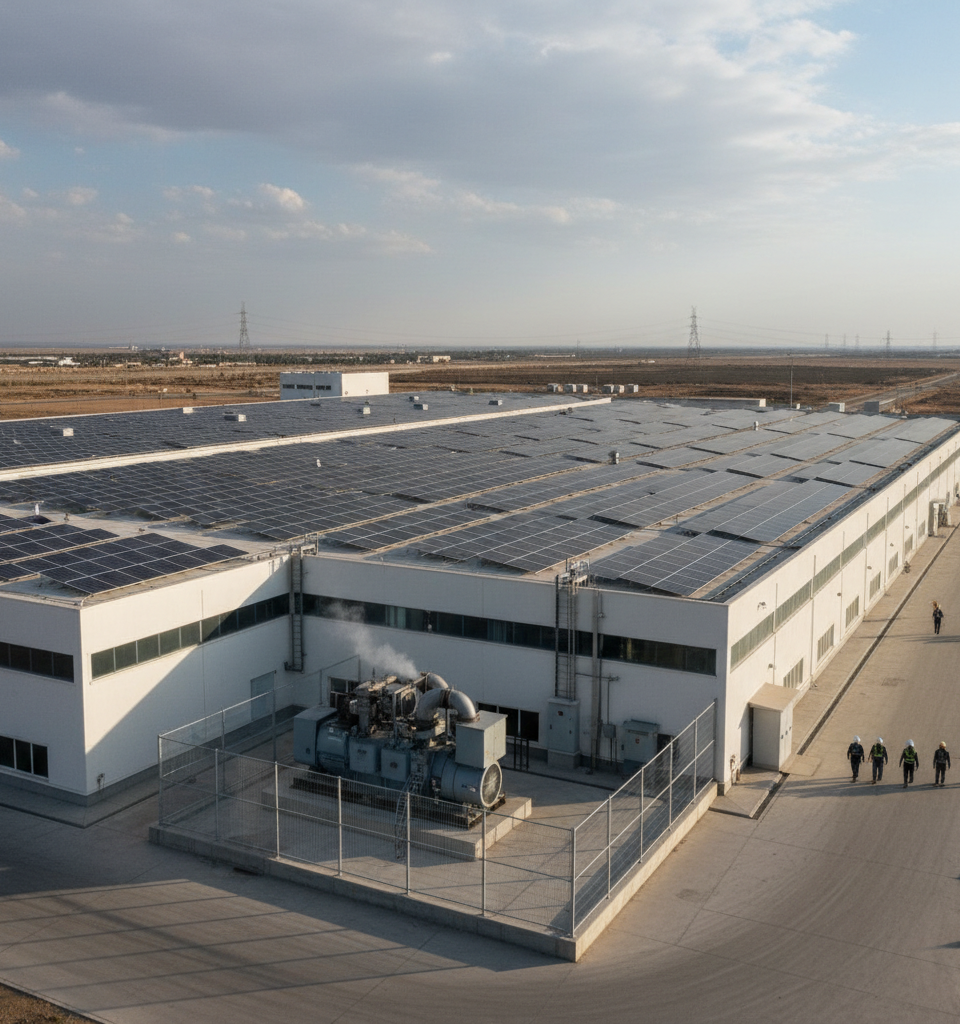
The mounting challenge of grid power delays is prompting manufacturers to aggressively pursue on-site power generation solutions, a critical shift designed to ensure uninterrupted operations. This proactive approach is directly addressing the escalating risks associated with unstable external power grids, aiming to secure vital production processes and supply chains.
For businesses operating across borders, energy independence translates directly into resilience against market volatility and geopolitical disruptions. Uninterrupted power supply is not merely a convenience; it is the bedrock of consistent production schedules, predictable shipping, and ultimately, competitive pricing in the global marketplace. Delays in manufacturing due to power outages can reverberate through international supply chains, causing cascading effects on inventory, delivery times, and customer satisfaction in distant markets. Proactive investment in on-site power generation is therefore becoming a strategic imperative for global sellers seeking to de-risk their operations and maintain their international commitments.
The Imperative for Energy Independence
The push for energy independence stems from a confluence of factors, primarily the increasing frequency and duration of grid power interruptions. These delays, often a consequence of aging infrastructure, extreme weather events, or heightened demand, pose a direct threat to manufacturing schedules and output. For industries reliant on continuous processes, such as chemical manufacturing, data centers, or advanced materials production, even brief power outages can result in significant financial losses, equipment damage, and production restarts that consume valuable time and resources.
Manufacturers are now evaluating and deploying a diverse array of on-site power technologies. These range from traditional diesel or natural gas generators to more sustainable and innovative solutions like solar arrays paired with battery storage, microturbines, and even small-scale combined heat and power (CHP) systems. The selection of technology often hinges on factors such as energy demands, available space, regulatory environment, and the manufacturer's sustainability goals.
Mitigating Operational Risks and Enhancing Resilience
The primary driver behind this strategic shift is the mitigation of operational risks. By generating their own power, companies can insulate themselves from the vagaries of public utility grids. This independence ensures that production lines remain active, machinery operates without interruption, and critical data systems stay online, even when the broader grid experiences disturbances.
Beyond simple risk reduction, on-site power solutions offer opportunities for enhanced operational control and efficiency. Manufacturers can optimize their energy consumption, potentially reducing costs through demand-side management and the intelligent use of self-generated power. Furthermore, in regions with high or volatile electricity prices, generating power internally can provide a predictable cost component, aiding in financial planning and budgeting.
Broader Industry Impact and Future Outlook
This movement towards localized power generation is reshaping the industrial energy landscape. It signifies a growing trend where large industrial consumers are becoming less reliant on centralized power utilities, potentially leading to more decentralized and resilient energy ecosystems. This shift could also spur innovation in energy storage solutions, smart grid technologies, and advanced energy management systems designed for industrial applications.
Looking ahead, the exploration and implementation of on-site power solutions are expected to continue gaining momentum. As grid vulnerabilities persist and the global push for sustainability intensifies, manufacturers will likely prioritize investments in clean, self-sufficient energy sources. This evolution is poised to create more robust, efficient, and environmentally responsible manufacturing operations, ultimately bolstering the stability of global supply chains against an unpredictable energy future.