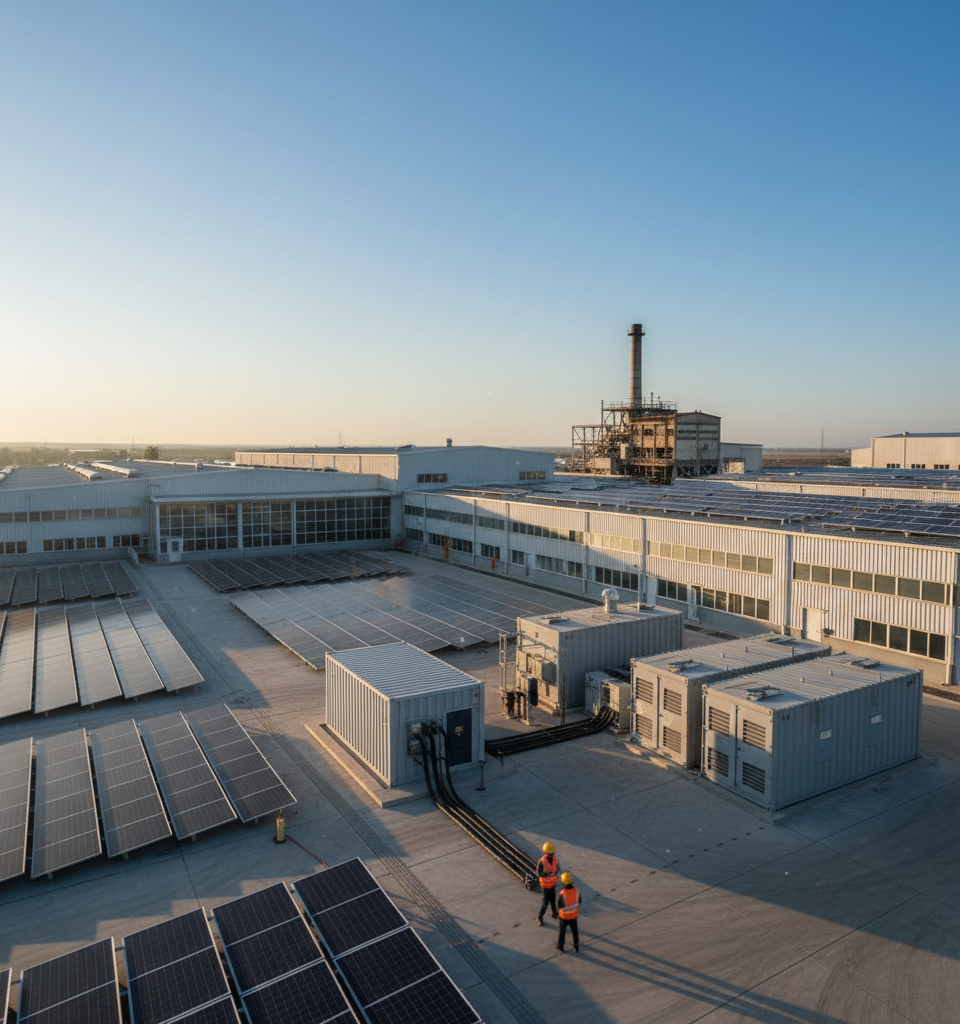
Global manufacturers face escalating supply chain vulnerabilities and operational risks from power disruptions, making robust, localized energy solutions like microgrids critical for ensuring continuous production and protecting international market access.
Manufacturers are increasingly looking beyond conventional backup power solutions, specifically diesel generators, in favor of advanced microgrid systems. This strategic pivot is driven by a desire for enhanced energy resilience and operational independence. The industry is recognizing that while diesel generators offer emergency power, microgrids provide a more comprehensive and sustainable approach to managing electricity supply.
The Evolution of Industrial Power Needs
For decades, diesel generators have been the standard for ensuring business continuity during grid outages. They are relatively simple to install and operate for short-term power needs. However, their reliance on fossil fuels introduces several challenges, including fluctuating fuel costs, environmental emissions, and logistical complexities in maintaining a consistent fuel supply. Furthermore, diesel generators typically offer only backup power, meaning they sit idle for most of their lifespan, representing a significant capital expenditure with limited day-to-day operational value.
Why Microgrids Offer a Superior Alternative
Microgrids represent a fundamental shift in how industrial facilities manage their power. A microgrid is a localized group of electricity sources and loads that typically operates connected to a traditional centralized grid, but can also disconnect and operate autonomously as an "island" during grid disturbances. This capability is key for manufacturers, as it ensures uninterrupted operations even when the main grid experiences blackouts or fluctuations. Unlike diesel generators that only provide power during an outage, microgrids can integrate multiple energy sources, including renewable options like solar and wind, alongside traditional generators, energy storage (batteries), and smart controls.
This integration allows microgrids to offer several critical advantages. Firstly, they enhance energy security and reliability, virtually eliminating the risk of production downtime due to power failures. Secondly, by incorporating renewables and optimizing energy use, microgrids can lead to significant cost savings through reduced electricity bills, particularly during peak demand hours. Thirdly, they provide manufacturers with greater control over their energy supply, allowing them to manage their energy mix and respond to market prices or carbon reduction goals. Lastly, the ability to operate independently means manufacturers can maintain operations during severe weather events or other grid-wide disruptions, protecting production schedules and supply chain commitments.
Impact on the Manufacturing Landscape
The move towards microgrids signifies a broader trend in manufacturing towards sustainability and self-sufficiency. As regulatory pressures for emissions reduction intensify and corporate sustainability goals become more prominent, the appeal of integrating renewable energy sources into power infrastructure grows. Manufacturers adopting microgrids are not just securing their operations; they are also enhancing their environmental credentials and potentially creating new revenue streams by participating in grid services, where they can sell excess power back to the main grid. This transition also positions these companies at the forefront of energy innovation, potentially attracting new talent and fostering stronger brand loyalty among environmentally conscious consumers and partners.
Future Implications for Industrial Resilience
The increasing adoption of microgrids is likely to accelerate, particularly as the technology matures and becomes more cost-effective. The initial investment in a microgrid can be substantial compared to a simple diesel generator, but the long-term operational savings, enhanced reliability, and environmental benefits often outweigh this upfront cost. Experts anticipate that as energy grids face growing challenges from aging infrastructure, increased demand, and extreme weather, microgrids will become an indispensable component of resilient industrial operations. This trend suggests a future where manufacturers are not just energy consumers but active participants in shaping a more stable, sustainable energy landscape for their facilities.