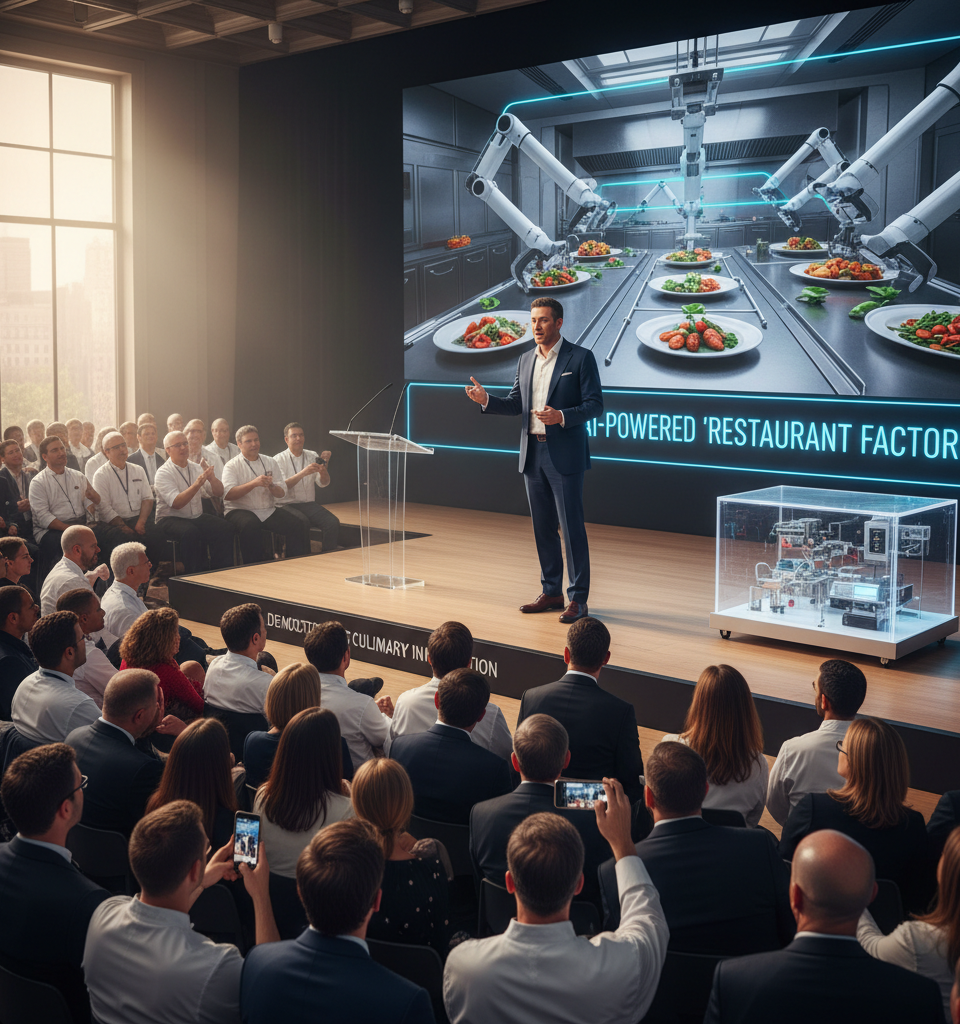
Marc Lore, the visionary entrepreneur behind Jet.com and former head of Walmart U.S. eCommerce, is poised to disrupt the food service industry with his latest venture, Wonder. Lore recently announced a groundbreaking initiative to leverage artificial intelligence to transform Wonder’s robotic kitchens into sophisticated "restaurant factories." This ambitious plan aims to democratize culinary entrepreneurship, enabling individuals to conceive and launch virtual food brands with unprecedented ease, often requiring little more than a natural language prompt.
This development comes at a pivotal time for the dining sector, which has been grappling with labor shortages, rising operational costs, and the accelerated shift towards digital ordering and delivery spurred by the recent pandemic. Lore’s vision addresses these challenges head-on by automating significant portions of the culinary process, promising enhanced efficiency, reduced overheads, and a significantly lower barrier to entry for new food concepts. The concept builds on Wonder's existing model of centralized kitchens preparing meals for quick delivery, now supercharged with AI capabilities.
At the core of Lore’s proposal is the idea of dynamic menu generation and automated recipe execution. Users could, in theory, input parameters such as cuisine type, dietary restrictions, and flavor profiles into an AI system. This system would then generate recipes, optimize ingredient sourcing, and orchestrate the robotic kitchen's operations to produce the dishes. Lore envisions a future where independent chefs, aspiring restaurateurs, and even home cooks could launch highly personalized and niche food offerings without the prohibitive capital expenditure and operational complexities traditionally associated with brick-and-mortar establishments. Wonder has already invested hundreds of millions into its network of kitchens, setting the stage for this technological leap.
Industry and Market Impact
The implications for the broader food and beverage industry are profound. This AI-driven model could lead to an explosion of highly specialized virtual restaurants, catering to increasingly granular consumer preferences. Traditional restaurant groups might face increased competition from agile, digitally native brands that can adapt and scale rapidly. Furthermore, the reliance on robotic kitchens and AI for recipe development could drive down food waste and improve consistency across disparate locations. The emphasis on "virtual brands" means less need for prime real estate, further shifting the economic landscape of restaurateurship. This could accelerate the trend towards dark kitchens or ghost kitchens, pushing them to a new level of technological sophistication.
Expert Perspective
Food industry analysts are cautiously optimistic about Lore’s vision. Dr. Sarah Chen, a professor of food innovation management, notes, "The potential for efficiency gains and reduced startup costs is undeniable. However, the challenge will be maintaining the human element and culinary artistry that consumers often associate with dining. The AI will need to be robust enough to handle the nuances of taste and texture, and the marketing will be crucial for building brand loyalty in a crowded virtual space." Others point to the significant upfront investment required for the robotic infrastructure, suggesting that while the barrier to entry might be lower for individual entrepreneurs, the technological backbone remains a substantial capital commitment.
What's Next
While a definitive timeline for the full rollout of these "restaurant factories" is not yet public, Wonder continues to expand its physical footprint and refine its kitchen technology. The immediate next steps for Wonder likely involve further development of its AI algorithms for recipe creation and kitchen automation, alongside strategic partnerships for ingredient supply and logistics. We can anticipate pilot programs testing these AI-powered virtual brands in select markets in the coming year. The long-term vision indicates a significant paradigm shift, where the concept of a "restaurant" could evolve from a physical location to a software-driven, AI-orchestrated culinary production unit capable of serving diverse demands through digital channels. This evolution is set to redefine not just how food is made, but who gets to make and sell it.