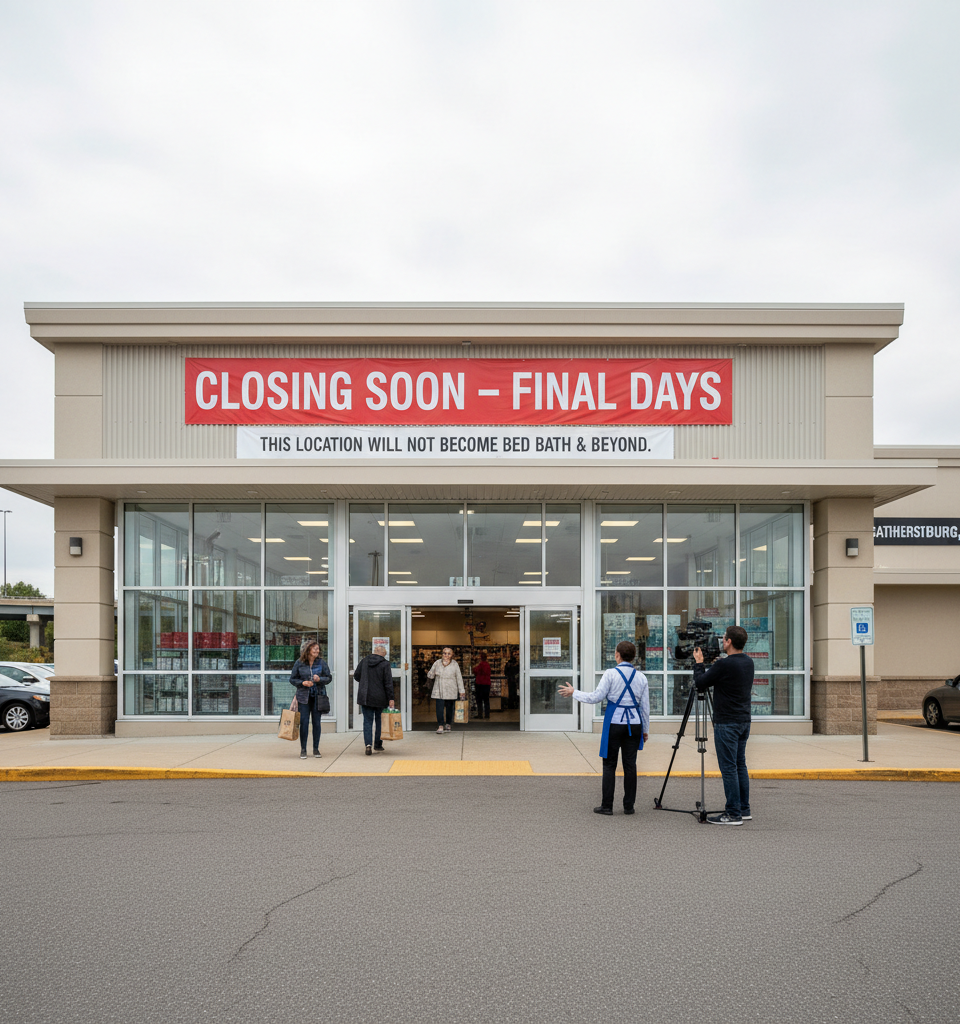
The Container Store location in Gaithersburg, Maryland, is set to close its doors permanently in July, abandoning earlier plans for its transformation into a co-branded Bed Bath & Beyond outlet. This development spotlights a reconsideration within the retail sector's efforts to integrate brands and optimize physical footprints, particularly for a store that was part of a larger cohort targeted for such an overhaul.
Background of the Rebranding Initiative
This particular Gaithersburg store was among roughly 100 Container Store locations that had been marked for a strategic conversion to a co-branded format. The original initiative aimed to leverage the established presence of The Container Store while simultaneously reintroducing or enhancing the Bed Bath & Beyond brand within these spaces. Such co-branding efforts are often seen as a way to maximize retail real estate value, diversify product offerings, and attract a broader customer base without the need for entirely new storefront acquisitions.
Shifting Retail Landscape and Strategic Adjustments
The decision to close rather than convert the Gaithersburg store suggests a dynamic and often unpredictable retail environment. While co-branding can offer significant advantages, factors such as local market conditions, evolving consumer demographics, operational complexities, or broader corporate strategy shifts can influence such decisions. For the Gaithersburg community, the closure means the loss of a familiar retail presence and the absence of the anticipated new co-branded format.
Implications for Future Co-Branding Projects
The unexpected closure raises questions about the execution and viability of similar co-branding projects within the broader portfolio. While this single closure does not necessarily indicate a systemic abandonment of the strategy, it underscores the granular complexities involved in such large-scale initiatives. Companies often conduct rigorous market analyses and pilot programs before committing to widespread changes, and outcomes like the Gaithersburg closure can inform future adjustments to their expansion or rebranding blueprints.
Economic and Local Impact
From an economic standpoint, the closure will result in job losses at the Gaithersburg location, affecting employees who likely anticipated a transition to the new co-branded format. Local consumers will also lose a retail option, potentially shifting their spending to competitors or online channels. For property landlords, this situation necessitates finding a new tenant, which can introduce vacancies and revenue disruptions, particularly if a tailored retail space was being prepared for the co-branded entity.
What This Means for Bed Bath & Beyond's Re-Emergence
The Bed Bath & Beyond brand, having weathered significant operational and financial challenges in recent years, has been embarking on various strategies for re-emergence. The co-branding initiative with The Container Store was one such effort to rebuild its physical retail presence and market recognition. The cancellation of this specific conversion in Gaithersburg might prompt a review of how the brand plans to integrate into existing retail footprints or develop new standalone locations as part of its ongoing revitalization strategy. Future announcements regarding other planned conversions will be closely watched for any further adjustments to the original roadmap.
Looking Ahead
The retail sector continues to adapt to consumer preferences and economic pressures. The closure of the Gaithersburg Container Store location, rather than its envisioned transformation, serves as a poignant reminder that even well-laid strategic plans can pivot sharply due to a myriad of internal and external factors. Stakeholders, from corporate executives to local consumers, will be keenly observing how The Container Store and Bed Bath & Beyond navigate these changes moving forward, particularly regarding the remaining locations slated for similar co-branding efforts.