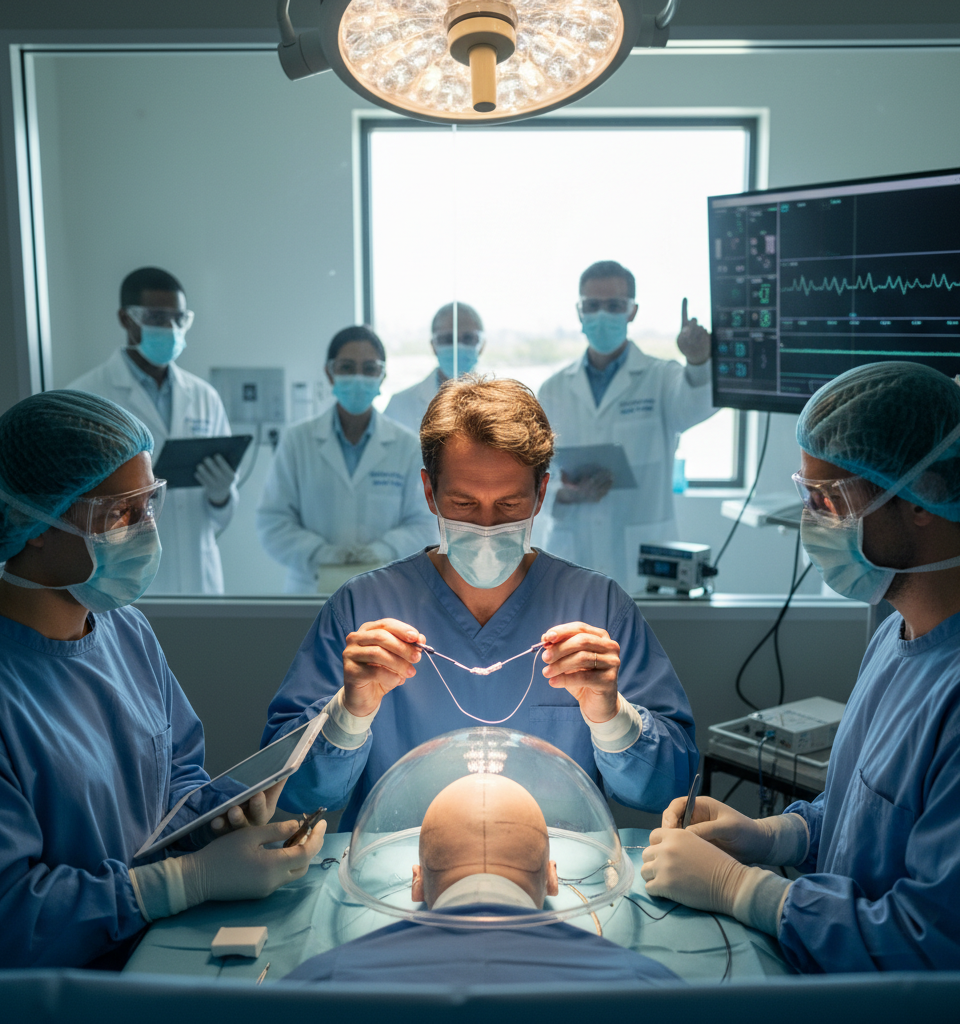
Science Corp., the privately-held startup founded by former Neuralink president Max Hodak, is reportedly on the cusp of initiating human trials for its groundbreaking brain-computer interface device. This pivotal step marks a significant advancement in the company's efforts to develop technology capable of addressing a range of neurological conditions, from spinal cord injuries to neurodegenerative diseases.
The experimental sensor is designed with the primary objective of interfacing directly with neural tissue. Early indications suggest one of its initial applications could involve the targeted delivery of mild electrical stimulation to compromised cells within the brain and spinal cord. This approach is predicated on the hypothesis that such stimulation could foster cellular regeneration and repair, offering a novel pathway for recovery where current treatments are limited.
Advancing Neurological Treatment Paradigms
The potential impact of Science Corp.'s technology on the landscape of neurological treatment is considerable. Current therapeutic options for conditions like severe spinal cord injuries, stroke recovery, and certain neurodegenerative disorders often focus on symptom management rather than direct cellular repair. Should Science Corp.'s device prove successful in human trials, it could introduce a paradigm shift, moving the focus towards restorative and regenerative medicine for these debilitating conditions.
Maximizing the therapeutic potential of brain-computer interfaces extends beyond mere communication; it delves into the realm of biological intervention. The company's strategy appears to pivot on leveraging the brain's inherent plasticity and regenerative capabilities, augmenting them with precise, externally delivered electrical impulses. This represents a more sophisticated approach compared to earlier generations of neural implants primarily focused on motor control or sensory perception.
Technical Hurdles and Regulatory Pathways
Developing a brain implant for long-term human use involves surmounting formidable technical and regulatory challenges. Biocompatibility, durability, and the ethical implications of direct brain intervention are paramount concerns. Science Corp. would have navigated extensive preclinical testing to demonstrate the safety and efficacy of its device before gaining approval for human trials. The transition into human subjects will be closely scrutinized by regulatory bodies, given the sensitive nature of brain surgery and neural interfacing.
Furthermore, the device's ability to maintain stable long-term performance without causing adverse tissue reactions or diminishing efficacy will be critical for its eventual widespread adoption. Successful outcomes in these initial human trials would not only validate Science Corp.'s technology but also pave the way for more expansive studies into a broader spectrum of neurological ailments.
Broader Industry Implications
The entry of Science Corp. into human trials intensifies the competition and innovation within the rapidly expanding field of neurotechnology. While companies like Neuralink, also co-founded by Hodak, have focused heavily on high-bandwidth brain-computer interfaces for communication and control, Science Corp.'s initial reported focus on regenerative stimulation carves out a distinct niche. This diversification of approaches within the neurotech sector is likely to accelerate overall progress in understanding and treating brain disorders.
Investors and medical professionals will be keenly observing the results of these trials. Positive outcomes could trigger a wave of further investment into similar regenerative neurotechnologies, potentially drawing more talent and resources into this once niche area of medical science. The advent of even partial success could redefine expectations for recovery from previously intractable neurological damage. The journey from initial human trials to widespread clinical application is often protracted, but for patients grappling with severe neurological conditions, these early steps represent a new horizon of hope.