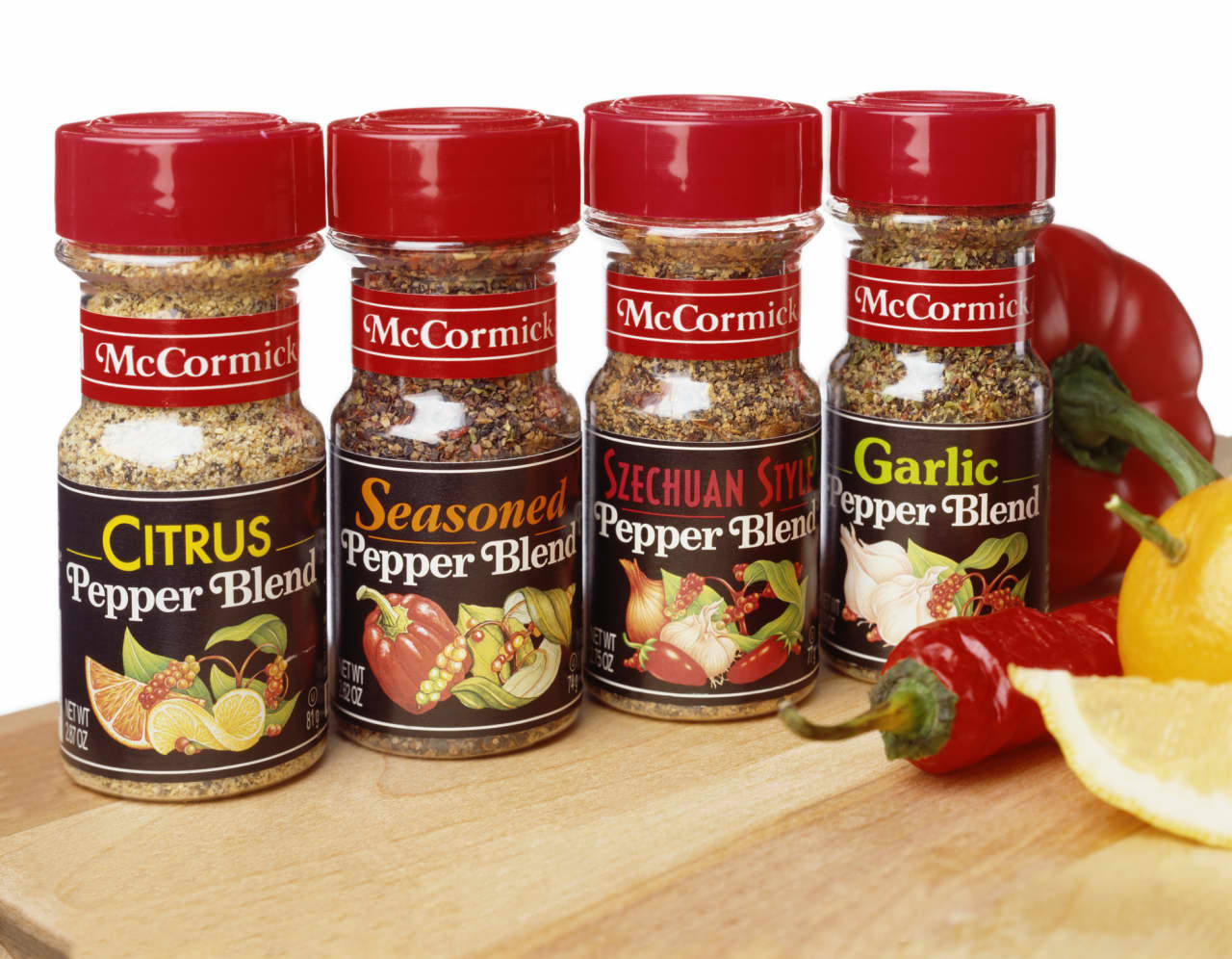
BALTIMORE, MD & LONDON, UK — McCormick & Company, the global spice and flavor giant, has reportedly engaged in preliminary discussions to acquire Unilever's esteemed food and refreshment business, a move that sent McCormick's shares soaring by over 10% in recent trading sessions. The reported pursuit comes amidst Unilever's strategic review of its sprawling portfolio and McCormick's continued drive for expansion, yet the latter's latest earnings report, released earlier today, maintained a notable silence on the high-stakes potential acquisition, leaving a palpable air of anticipation and speculation across financial markets.
This potential mega-deal underscores a broader trend of consumer goods conglomerates recalibrating their portfolios to focus on high-growth, high-margin segments. Unilever, under increasing pressure from activist investors and seeking to streamline its diverse operations, has signalled its willingness to divest non-core assets. Its food and refreshment division, encompassing iconic brands from Hellmann's mayonnaise to Knorr bouillons, generated approximately €20 billion in sales in 2023, representing a substantial portion of the Anglo-Dutch conglomerate's total revenue. For McCormick, such an acquisition would be transformational, significantly expanding its footprint beyond spices into a broader range of pantry staples and prepared foods, creating a formidable global food solutions leader.
The absence of any M&A commentary in McCormick's earnings call, despite the widespread reports, is a strategic move often employed by companies to manage expectations and comply with regulatory disclosure requirements while sensitive negotiations are ongoing. While the company exceeded analyst expectations with a 7% increase in quarterly sales to $1.7 billion and adjusted earnings per share of $0.80, up 15% year-over-year, investor focus remained squarely on the potential Unilever deal. Analysts quickly pointed out that the strategic silence, rather than signaling a lack of progress, could indicate the complexity and early stage of discussions, or simply the company's adherence to a strict protocol regarding unconfirmed large-scale transactions.
Industry Repercussions and Competitive Landscape
The potential merger would send ripples throughout the global food and beverage industry. A combined McCormick-Unilever food entity would boast an unparalleled portfolio, dominating categories from spices and seasonings to condiments and meal solutions. This consolidation could intensify competition for smaller players and potentially lead to further M&A activity as competitors seek to scale up to maintain market share. The move also highlights the increasing premium placed on established brands with strong consumer loyalty and robust supply chains, particularly in a volatile economic environment.
Expert Perspectives on Valuation and Integration Challenges
Financial analysts are largely bullish on the strategic rationale, but cautious about the financial implications. John Doe, a senior analyst at Global Insights Group, commented, "For McCormick, this is a 'bet the company' move, but one with immense upside. The synergies in distribution, R&D, and procurement would be substantial. However, valuing Unilever's food business, particularly given its diverse geographical reach and varying growth rates across segments, will be complex. We could be looking at a valuation upwards of €50 billion, requiring significant debt financing or an equity raise for McCormick." Integration challenges, including cultural differences, supply chain consolidation, and rationalization of brand portfolios, are also flagged as critical hurdles.
What Lies Ahead: Awaiting Formal Announcements
The coming weeks are expected to be pivotal. Market observers anticipate that either a formal announcement of advanced negotiations or a definitive statement regarding the cessation of talks will emerge. Should a deal materialize, it would likely involve a complex financial structure, possibly including a cash component, stock, and the assumption of certain liabilities. Regulatory scrutiny, particularly in key markets like the United States and Europe, would also be a significant factor, given the potential for increased market concentration in various food categories. McCormick's strategic silence, while frustrating for some, is a clear indicator of the high stakes involved in what could be the flavor giant's most transformative acquisition to date.
The market's positive reaction to the leak suggests investor confidence in McCormick's ability to execute such a large-scale integration and unlock significant value. However, the path to completion will be fraught with challenges, from securing financing to navigating complex regulatory landscapes, underscoring that while potential is high, certainty remains elusive until official confirmation emerges from Baltimore or London.