Global digital marketing and e-commerce strategies face new regulatory realities as platforms navigate increasing government scrutiny over user safety and engagement. This settlement underscores the growing financial and operational risks for any enterprise relying on or operating large-scale digital platforms across international borders.
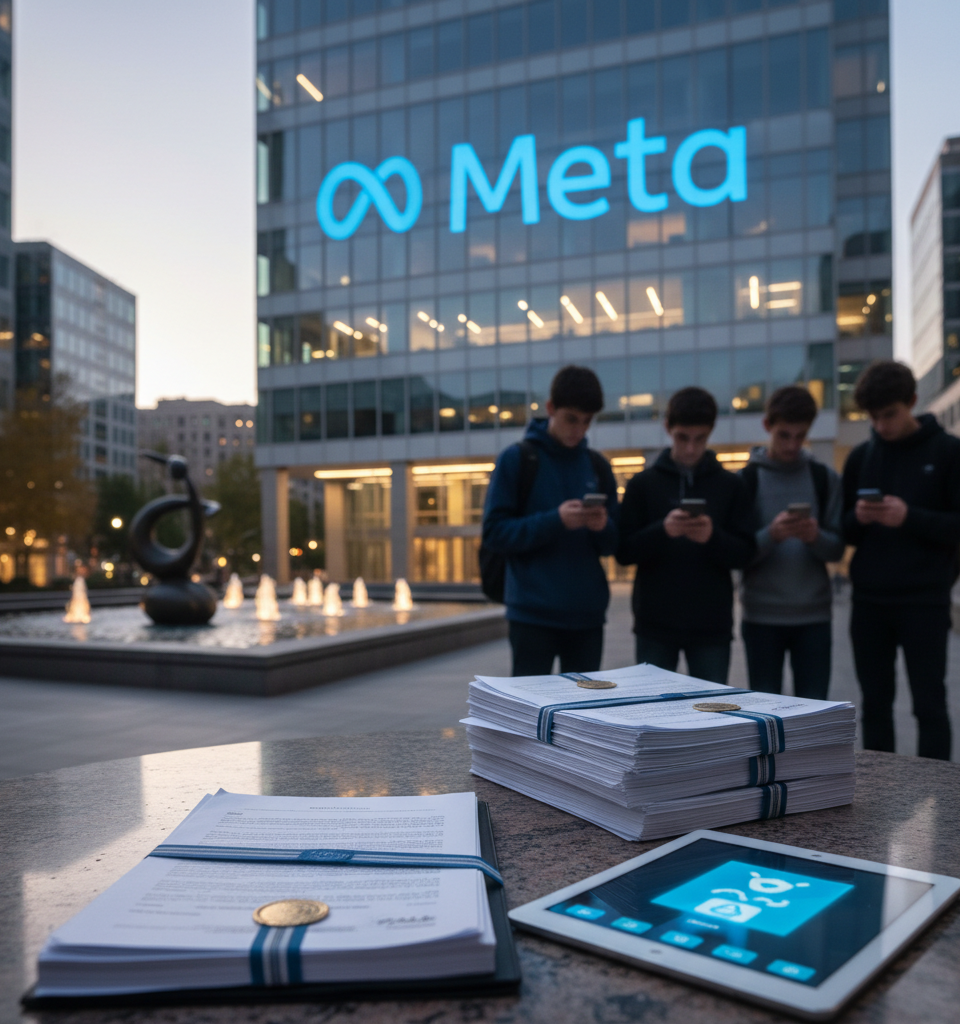
Meta Platforms is set to pay an unprecedented sum of up to $18 billion to settle a sweeping lawsuit filed by numerous U.S. states. The lawsuit alleged that the social media giant's platforms, including Facebook and Instagram, were designed in ways that caused significant harm to young users, contributing to mental health issues and addiction among adolescents. This potential settlement represents one of the largest payouts ever by a tech company for consumer protection and youth safety violations.
Context and Background
The action against Meta stems from a years-long period of increasing concern among parents, educators, and lawmakers regarding the impact of social media on minors. State attorneys general have collectively argued that Meta deliberately implemented features designed to maximize engagement among young people, despite internal research reportedly indicating potential negative psychological effects. The lawsuit sought to compel Meta to change its practices and provide restitution for the alleged harms. This comes amidst a broader global push for stricter digital safety regulations, particularly concerning platforms accessed by children and teenagers.
Key Details of the Proposed Settlement
While specific terms of the $18 billion settlement are still emerging, the primary financial component is expected to address the collective claims of the states involved. Beyond monetary compensation, the agreement is anticipated to include significant changes to Meta's product design and operational policies aimed at protecting younger users. Importantly, Meta has publicly called on competing platforms, specifically YouTube and TikTok, to join it in implementing universal time limits for teenage users. This call suggests a recognition within Meta of the industry-wide nature of the challenges and a potential strategy to level the playing field regarding regulatory compliance.
Industry and Market Impact
This proposed settlement sends a powerful message across the entire social media industry. For platforms reliant on user engagement for revenue, particularly those with a significant youth demographic, the precedent set by Meta's payout could necessitate a fundamental re-evaluation of product development, content moderation, and user welfare policies. Investors and advertisers may begin scrutinizing companies' youth safety records more closely, potentially shifting market valuations and advertising spend towards platforms perceived as more responsible. The global implications are also substantial, as regulatory bodies in other countries often look to U.S. legal actions as benchmarks for their own legislative efforts.
What's Next
The finalization of this settlement will likely mark a new chapter for Meta and the broader tech industry. Attention will now turn to whether YouTube and TikTok, along with other major platforms, will heed Meta's call to establish industry-wide time limits for teens. Such a coordinated effort could dramatically reshape the digital landscape for young users. Furthermore, the implementation and enforcement of the settlement's non-monetary terms will be closely watched, as will any potential follow-up litigation or regulatory actions inspired by this landmark agreement.
This outcome underscores a persistent trend: technology companies are increasingly held accountable for the societal impacts of their products, particularly concerning vulnerable user groups. The long-term effects on platform design, corporate responsibility, and the future of digital engagement for young people remain a significant point of interest for both regulators and the industry at large.