Cross-border logistics depend on resilient air freight infrastructure; disruptions at major hubs like Miami International Airport can quickly impact global supply chains and increase shipping costs for international sellers.
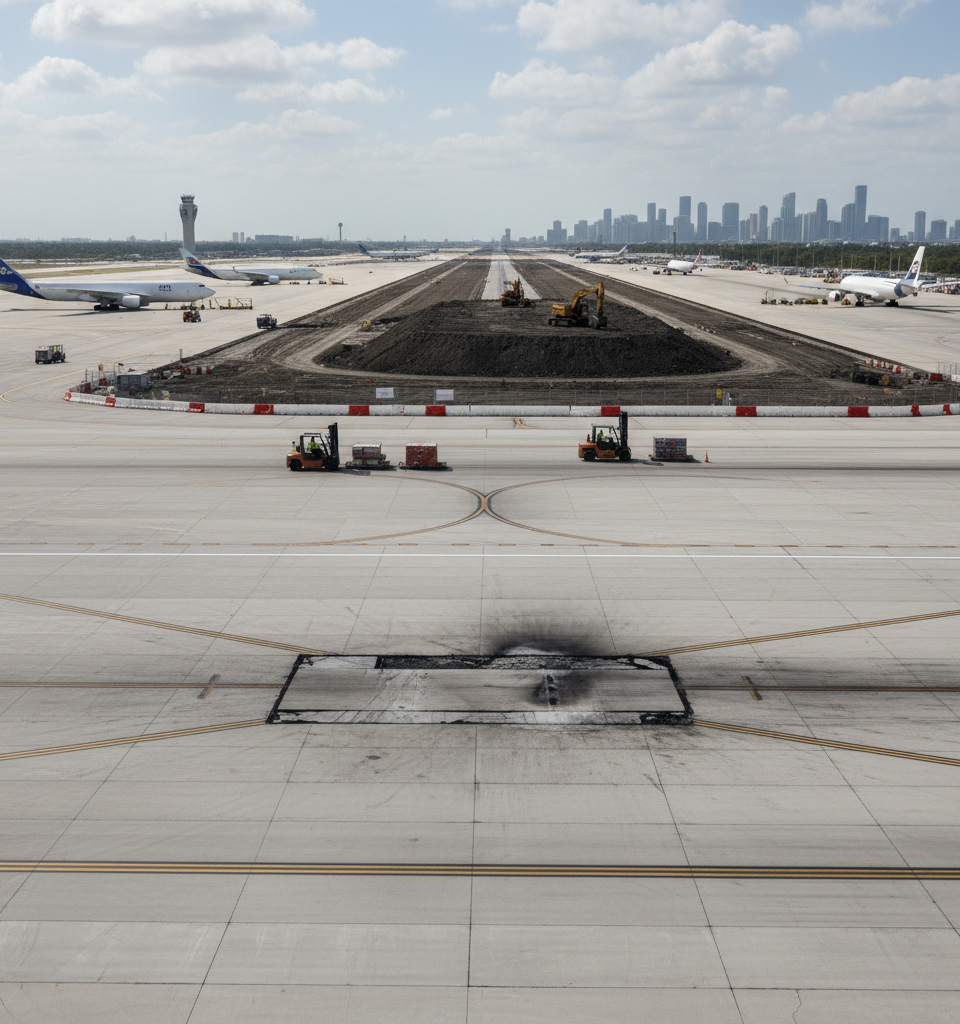
Miami International Airport (MIA) is experiencing limited immediate disruption to its air cargo operations this week, despite a fatal aircraft crash on Sunday. Although major carriers such as FedEx and DHL Express have confirmed their flight schedules are largely operating as normal, the incident has led to reduced runway capacity. This diminished capacity is anticipated to have a more extended impact on the airport's overall operations.
Incident Overview and Immediate Response
The crash, which occurred on Sunday, involved an Amazon-branded cargo aircraft. While details regarding the accident's cause are under investigation, authorities confirmed fatalities. The immediate aftermath saw a temporary closure of some airport facilities. However, MIA swiftly moved to restore critical functions, prioritizing the continuity of operations for its extensive cargo network.
Both FedEx and DHL Express, key players in global logistics and significant operators at MIA, have stated that their respective flight operations are proceeding without notable interruptions. This suggests that contingency plans or available alternative capacity prevented an immediate, widespread standstill in air freight movement from these specific carriers.
The Crucial Role of Miami International Airport in Air Cargo
MIA stands as one of the busiest cargo airports in the United States, particularly for Latin American routes. It serves as a vital gateway for goods moving between North and South America, handling a massive volume of international freight annually. Its strategic location and extensive network of cargo airlines make it indispensable for e-commerce, perishable goods, and high-value manufactured items requiring rapid transit.
Any significant constraint on MIA's operational capacity, even if not immediately felt by all carriers, can ripple through the broader logistics ecosystem. The airport's role extends beyond simply handling cargo; it is a critical transshipment point and a hub for specialized customs processing, making its efficiency paramount for businesses relying on timely cross-border trade.
Potential Longer-Term Implications of Reduced Runway Capacity
The primary concern following the accident is the sustained reduction in runway capacity. While specific details on the extent and duration of this reduction have not been fully disclosed, it inherently limits the number of aircraft movements MIA can accommodate per hour. This can lead to various issues, including flight delays, rerouting of cargo to other airports, and increased operational costs for airlines.
For businesses, reduced capacity at a major hub often translates into longer transit times and potentially higher freight costs as airlines adjust pricing to account for increased operational complexities or pass on rerouting expenses. Companies that rely on just-in-time inventory models or ship time-sensitive goods may find their supply chains particularly vulnerable to such constraints.
Industry Response and Forward Planning
While FedEx and DHL have confirmed normal operations, other cargo carriers and freight forwarders may experience varied levels of impact. The industry will likely monitor the situation closely, assessing any potential shifts in flight schedules or capacity allocations from MIA to alternative airports. Smaller cargo operators or those with less flexible networks might feel the pinch more acutely.
Logistics and supply chain experts will be analyzing how this reduced capacity might compel airlines to optimize their slot usage or potentially explore temporary shifts in their cargo networks. The focus will be on maintaining efficiency and reliability in a critical global trade corridor.
Outlook: Navigating the Recovery and Future Operations
The full extent of the long-term impact on MIA's air cargo volume and operational efficiency will depend on the duration of the reduced runway capacity and the airport's ability to recover and adapt. Authorities are expected to work diligently to restore full operational capability as safely and quickly as possible.
For businesses engaged in global trade, particularly those with a significant reliance on the Latin American market, it will be crucial to stay informed about MIA's operational status. Companies should engage with their logistics providers to understand potential transit time adjustments, explore alternative shipping routes if necessary, and prepare for possible incremental costs associated with maintaining the speed and reliability of their international shipments.