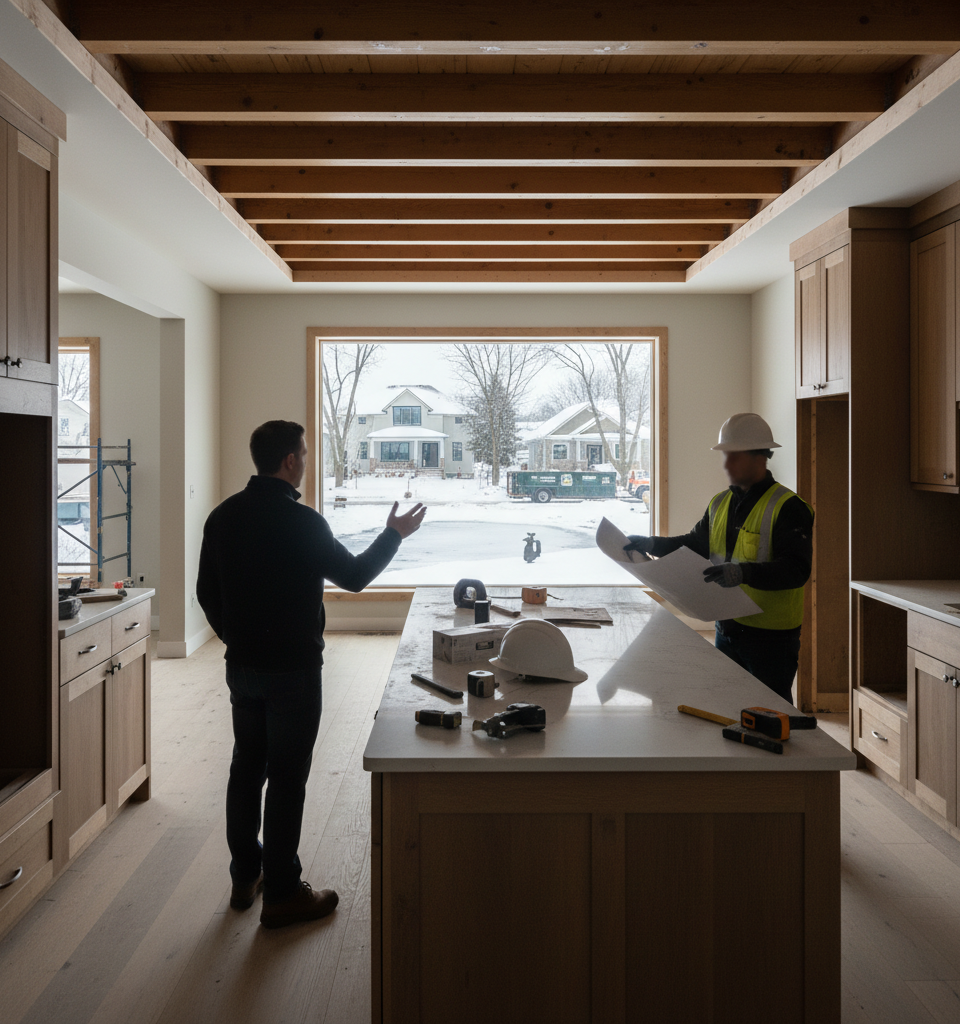
For high-net-worth individuals in Southern California's luxury enclaves like Malibu, Calabasas, and Bel Air, this national shift towards extensive remodeling underscores a critical market dynamic: the value of enhancing existing prime assets. As the cost and complexity of new construction continue to climb, a robust remodeling market indicates a sustained appetite for custom, high-end property improvements that can significantly elevate desirability and market value in a fiercely competitive landscape.
Michigan's home remodeling sector is currently experiencing a substantial boom, with expenditures surging as homeowners prioritize extensive renovations over the costly and often complex endeavor of relocating. This localized trend in the Great Lakes State serves as a clear illustration of a more expansive national pattern, where remodeling activity is consistently exceeding the pace of new construction. The shift is fundamentally driven by a confluence of factors influencing homeowner decisions across the country.
Underlying Market Dynamics
The preference for renovating existing homes rather than purchasing new ones highlights several key economic and social forces at play. For many homeowners, the current real estate environment, characterized by higher interest rates and limited inventory, makes selling and buying a new property a less attractive proposition. Instead, investing in their current residence allows them to adapt their living spaces to evolving needs and preferences, such as creating home offices, expanding living areas, or upgrading amenities, without incurring significant transaction costs or taking on new, higher mortgages.
This trend also reflects a growing appreciation for the tangible value added through strategic home improvements. In a market where new builds can be slow to materialize and often come with premium price tags, a well-executed renovation can offer a more immediate and cost-effective path to achieving a dream home. The desire to customize spaces to individual tastes, coupled with the potential for increased property value, makes remodeling an increasingly appealing option for a broad spectrum of homeowners.
National Implications and Broader Trends
The fact that remodeling spending continues to outpace new construction nationally signals a fundamental reorientation within the housing market. It suggests a maturity in housing stock and a preference for maximizing the utility and aesthetic appeal of existing structures. This phenomenon extends beyond Michigan, reflecting a widespread sentiment among property owners to "improve rather than move." This inclination is particularly pronounced in areas with strong community ties, good school districts, or desirable locations where residents are reluctant to leave but eager to update their living conditions.
For the construction industry, this sustained surge in remodeling activity presents both opportunities and challenges. While it provides a steady stream of work for contractors, designers, and material suppliers specializing in renovations, it also necessitates an adaptation from developers who might traditionally focus on new builds. The demand for skilled tradespeople capable of intricate remodeling projects is likely to remain high, driving competition for talent in this specialized segment of the market.
Economic Indicators and Future Outlook
Economically, the robust remodeling sector acts as a significant contributor to local and national economies, supporting jobs in various industries from manufacturing to retail and professional services. The consistent growth in this area suggests resilience within the housing market, even amidst broader economic uncertainties. As long as the factors that discourage relocation—such as interest rate environments, housing inventory levels, and transaction costs—persist, the impetus for homeowners to invest in their current properties is expected to remain strong.
Looking ahead, industry analysts project that this trend will likely continue, with remodeling expenditures maintaining their lead over new construction. This sustained activity underscores a long-term shift where the focus is not solely on expanding the housing stock, but also on enhancing its quality and functionality. Homeowners, having settled into their properties, are increasingly viewing their homes as long-term investments worthy of continuous adaptation and improvement to meet contemporary living standards and personal aspirations.