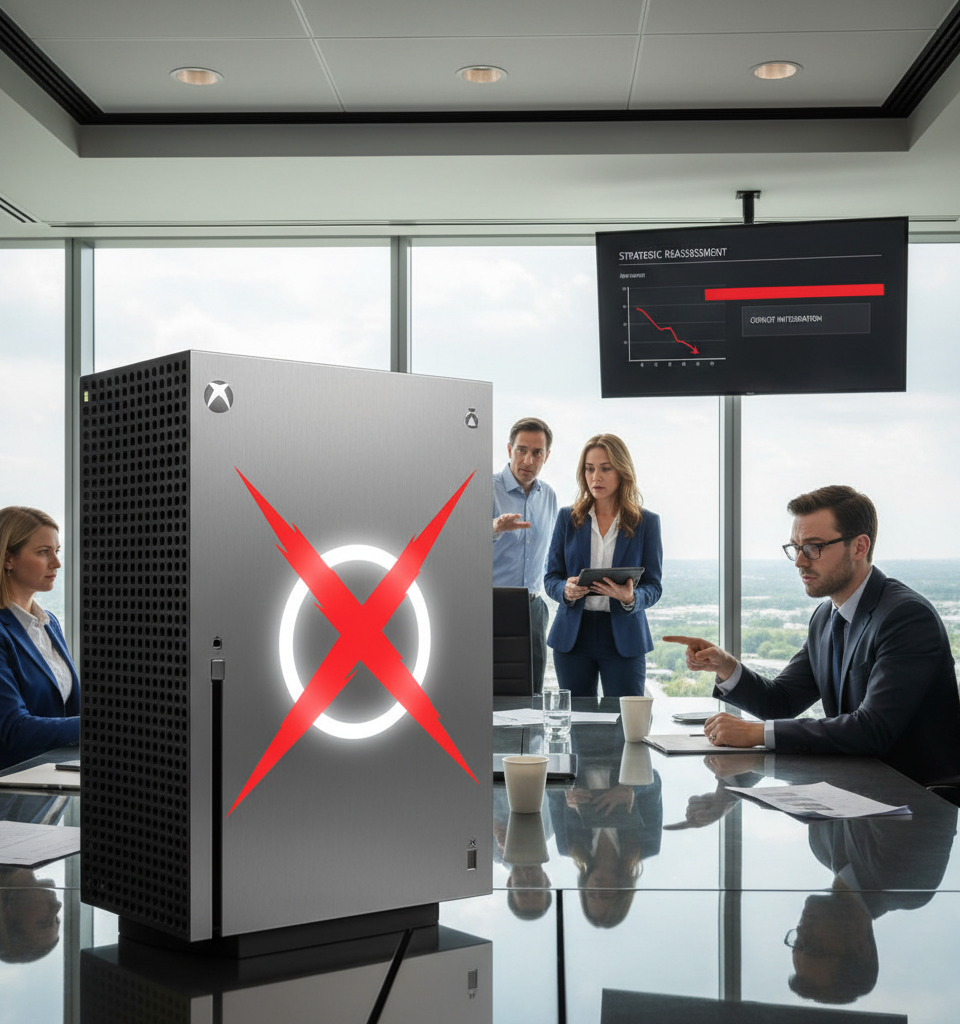
Microsoft has officially confirmed the cessation of its plans to integrate the Copilot AI assistant across the Xbox platform, marking a notable shift in its AI strategy for the gaming sector. This pivot includes the removal of Copilot features from the Xbox mobile application, which had seen limited rollout, and a definitive halt to its intended expansion onto Xbox consoles. The decision, quietly implemented, underscores a re-evaluation of how AI will intersect with the user experience within Microsoft's gaming division.
The Genesis and Retreat of Xbox Copilot
The initial rollout of Copilot integration into the Xbox mobile app was positioned as an enhancement to user accessibility and experience, designed to assist with navigation, troubleshooting, and potentially game-related queries. This initiative was part of Microsoft's broader company-wide push to embed its sophisticated AI capabilities, particularly Copilot, across its myriad products and services. However, the anticipated full-scale console integration, once mooted as a significant leap forward in interactive gaming support, will now not materialize. The rationale behind this withdrawal appears to stem from a practical assessment of user engagement and the strategic utility of such an integration within the console environment, rather than a repudiation of AI itself.
Shifting AI Priorities and User Experience
Sources close to the development suggest that the decision was driven by a combination of factors, including lower-than-anticipated user adoption rates for the mobile app's AI features and a strategic focus on other AI applications deemed more impactful for the Xbox community. The resources previously allocated to Copilot's broader Xbox integration are likely being redirected towards AI initiatives that offer more direct enhancements to gameplay, content creation, or developer tools. This strategic reallocation aligns with a broader industry trend where AI applications are increasingly targeted at specific, high-value use cases rather than generalized assistants.
Broader Industry Context and Microsoft's AI Ambitions
This development occurs against a backdrop of intense competition in the AI space, with tech giants aggressively vying to integrate AI into every facet of digital life. While Microsoft remains a frontrunner in AI research and deployment, evidenced by its substantial investment in OpenAI and the pervasive presence of Copilot in its enterprise software, the Xbox decision highlights the nuances of applying general-purpose AI to highly specialized consumer electronics. This move could also reflect a recognition that gamers may prefer more specialized, game-centric AI tools rather than a broad, multi-purpose assistant, particularly within the immersive console experience.
Expert Analysis and Future Implications
Industry analysts view this as a pragmatic adjustment rather than a setback for Microsoft's overall AI strategy. "Microsoft is shrewdly recalibrating its AI deployment," notes Sarah Jenkins, a lead analyst at TechInsights Group. "The gaming sector demands highly tailored AI — something that genuinely enhances gameplay or development. A generalized assistant, while powerful elsewhere, may not have found its compelling niche on Xbox consoles, especially with the existing rich user interface for game discovery and support." This perspective suggests that future AI implementations on Xbox will likely be more embedded within the core gaming experience, potentially leveraging AI for advanced NPC behaviors, procedural generation, or highly contextual player support.
The Path Ahead for AI on Xbox
Looking forward, Microsoft's commitment to AI within gaming remains robust, albeit with a refined focus. While Copilot's general-purpose features won't be gracing Xbox consoles, the company is actively exploring and investing in AI tools that can revolutionize game development, personalize player experiences, and optimize cloud gaming infrastructure. Future announcements are expected to highlight AI-driven advancements in areas such as machine learning for game balancing, AI-powered content creation tools for developers, and enhanced recommendation engines. The journey of AI on Xbox is far from over; it's simply evolving towards more specialized, impactful applications aligned with the unique demands of the gaming world.