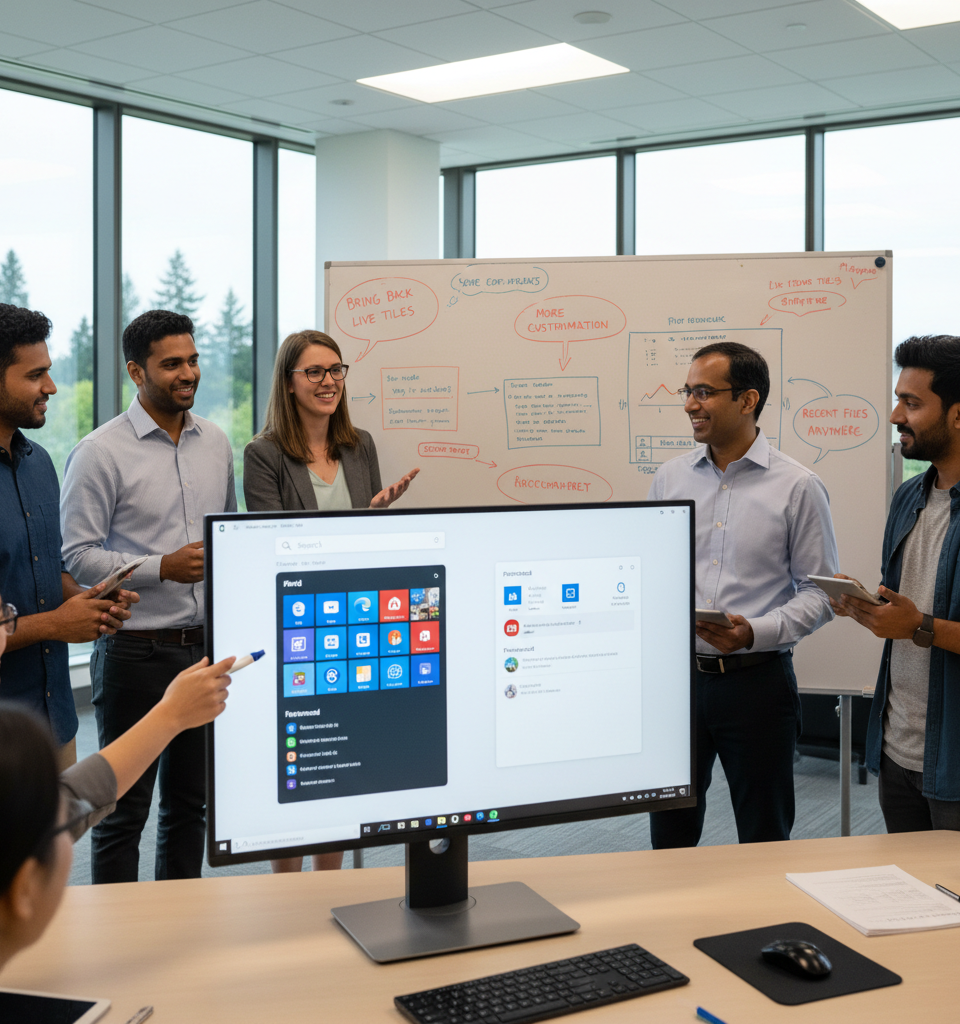
Microsoft is reportedly embarking on a substantial redesign of the Windows 11 Start Menu, a critical component of the operating system's user interface. This strategic pivot comes amidst persistent user complaints and feedback regarding the current iteration's functionality, customization options, and overall user experience. The reported overhaul suggests Redmond is actively listening to its community, aiming to address the deficiencies that have marred the reception of its flagship OS since its launch. Industry observers believe this move is a direct acknowledgment of the need to balance modern design aesthetics with practical usability for a diverse global audience.
The current Windows 11 Start Menu, introduced with the operating system's debut in late 2021, veered significantly from its Windows 10 predecessor, opting for a centered, simplified layout that many users found restrictive. Criticisms have primarily focused on the removal of live tiles, limited pinning options, difficulty in accessing the full app list, and an overemphasis on recommended content, often perceived as distracting or irrelevant by power users and enterprises alike. The original design ethos aimed for a cleaner, more minimalist interface, but in practice, it often led to increased clicks and reduced efficiency for common tasks, undermining the core principle of a fast and intuitive computing experience. This reported redesign, therefore, marks a pivotal moment for Microsoft in rectifying perceived missteps and demonstrating responsiveness to its vast user base.
Specifics of the Reported Redesign
While official details from Microsoft remain under wraps, leaks and reputable tech journalists, including sources close to Windows Central and other specialized publications, suggest a renewed focus on customization and functionality. Early indications point to potential improvements such as more flexible grouping of pinned apps, enhanced search capabilities directly integrated into the Start Menu, and a re-evaluation of the 'Recommended' section to make it more intelligent and less intrusive. There's also speculation about the reintroduction of certain elements or functionalities reminiscent of earlier Windows versions, lauded for their efficiency, albeit with a modern aesthetic. These potential changes underscore a commitment to user-centric development, attempting to merge the best of past UI elements with the contemporary design language of Windows 11. The aspiration is to deliver a Start Menu that caters to both novices seeking simplicity and advanced users demanding granular control.
Indeed, the implications of a successful redesign extend beyond mere aesthetics; they touch upon user productivity and the overall perception of Windows 11. A clunky or un-intuitive Start Menu can significantly hinder workflow, leading to frustration and potentially impacting adoption rates among businesses hesitant to upgrade. For enterprises, consistent and efficient navigation tools are paramount for employee productivity and training. Therefore, a more robust and customizable Start Menu could accelerate corporate rollouts and solidify Windows 11's position as a viable upgrade path. Moreover, it could assuage concerns among power users and developers, who often serve as early adopters and influential opinion leaders within the tech community, ensuring long-term loyalty and engagement.
Expert Commentary and Market Impact
Industry analysts have weighed in on the significance of this potential move. "This isn't just about a menu; it's about Microsoft's commitment to its users," states P.J. Daniels, a principal analyst at Tech Insights Group. "Ignoring widespread feedback on such a fundamental UI element would have long-term consequences for user trust and brand perception. This redesign, if executed well, could be a significant step in rebuilding that trust and demonstrating agility in product development." Others point out the competitive landscape, where operating systems like macOS and various Linux distributions offer highly customizable and often praised user interfaces. "Microsoft cannot afford to fall behind on fundamental UI components," notes Sarah Chen, a senior research fellow at Global Tech Foresight. "The Start Menu is often the first interaction point for users; it sets the tone for the entire OS experience." The market impact could translate into increased Windows 11 adoption rates, particularly if the updated Start Menu addresses current pain points effectively, leading to a more positive sentiment towards the OS. This could also positively affect Microsoft's ecosystem, including hardware sales and subscription services, as a more user-friendly OS encourages more robust engagement.
Looking ahead, the next steps for Microsoft will involve meticulous testing and iterative development, likely leveraging its Windows Insider Program. This program, which allows users to test early builds and provide feedback, will be crucial in refining the new Start Menu design before a broader public rollout. We can anticipate several preview builds emerging in the coming months, offering a sneak peek at the proposed changes and allowing the community to shape its final form. It's plausible that Microsoft will introduce these changes as part of a future feature update for Windows 11, potentially within the next year, integrating it seamlessly into the existing update cadence. The success of this redesign rests not only on the technical implementation but also on Microsoft's ability to genuinely incorporate user feedback throughout the development cycle, ensuring the new Start Menu truly meets the diverse needs of its global user base.
Ultimately, this reported initiative highlights a maturing approach from Microsoft to operating system development, one that values user feedback as a critical input for product evolution. Should the redesigned Start Menu deliver on its promise of enhanced usability and customization, it could mark a significant turning point for Windows 11, transforming a point of contention into a testament to Microsoft's responsiveness and commitment to user satisfaction. The tech community will be keenly watching for official announcements and subsequent preview releases, eager to see how Microsoft translates user grievances into a revitalized user experience.