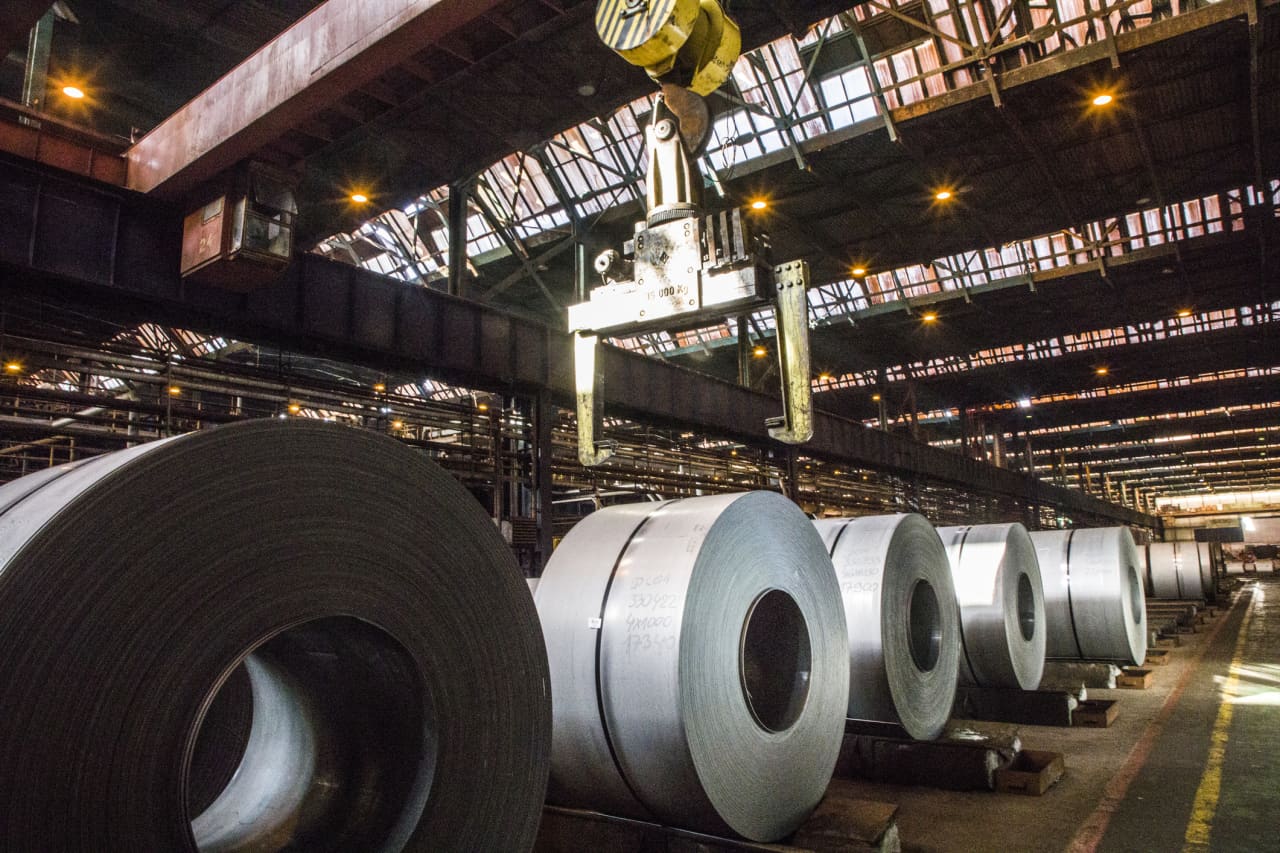
New York, NY – October 28, 2024 – The global aluminum market is experiencing a significant upheaval, driven by escalating geopolitical tensions in the Middle East. Shares of aluminum giant Alcoa Corporation (NYSE: AA) surged by over 7% during Monday’s trading session, closing at $34.50, as investors reacted to reports of Iranian missile strikes on two large-scale aluminum production sites in the region. This development has sparked broader concerns about potential disruptions to the global supply chain for the versatile industrial metal, sending commodity prices higher and positioning aluminum as a focal point in the financial markets' response to the widening conflict.
Geopolitical Undercurrents Shape Global Commodities
The recent missile strikes, while explicitly targeting critical infrastructure, have had an immediate and palpable effect on commodity trading. The Middle East, a crucial energy and raw materials hub, has long been a sensitive area for global markets. Historically, any instability in the region, particularly involving major players like Iran, has led to a cascade of reactions across energy and metals markets. The latest events underscore the fragility of global supply chains in the face of geopolitical conflict, with investors quickly factoring in the potential for reduced output and higher production costs.
Aluminum Market Reacts to Supply Uncertainty
Following the attacks, benchmark aluminum prices on the London Metal Exchange (LME) climbed by approximately 3.2% to $2,350 per metric ton, marking their highest level in three months. The targeted facilities, though not identified publicly by the companies involved, are understood to be significant contributors to the regional aluminum supply, raising fears of immediate production shortfalls. Alcoa, as one of the world's largest aluminum producers, is seen as a direct beneficiary of such supply constraints, as higher physical prices translate into improved profit margins for existing stock and future sales. The company's robust balance sheet and diversified asset base position it favorably to capitalize on a potentially tighter market.
Broader Industry and Economic Implications
Beyond Alcoa, the ripple effects are being felt across the broader industrial landscape. Industries heavily reliant on aluminum, such as automotive, aerospace, and construction, are bracing for potential cost increases and supply chain delays. Manufacturers like Boeing and Ford, which consume vast quantities of aluminum for their products, could face elevated input costs, potentially impacting consumer prices and corporate profitability. This scenario injects further inflationary pressure into an already complex global economic environment, challenging central banks' efforts to manage price stability.
Expert Analysis: A Glimpse into Future Trends
Market analysts are closely monitoring the situation. John Sterling, a senior metals analyst at Quantum Dynamics, commented, "This isn't just about immediate supply. It's about perceived risk. Investors are pricing in a 'geopolitical premium' for aluminum, similar to what we observed with oil during previous crises." Sterling noted that while current aluminum stockpiles might cushion the immediate impact, prolonged conflict or further attacks could lead to a more sustained price rally. "Alcoa, with its significant smelting and refining capacity, is well-positioned to leverage higher spot prices, potentially seeing an uplift in its Q4 earnings projections." He estimates that every 1% increase in aluminum prices could translate to a 0.5% boost in Alcoa's quarterly EBITDA.
The Road Ahead: Potential for Further Volatility
The immediate future of the aluminum market remains highly sensitive to geopolitical developments. Any de-escalation could see prices retreat, while further hostilities or the widening of the conflict to other key production areas would likely fuel additional price hikes. Companies like Alcoa will be closely watching for any changes in export restrictions, sanction regimes, or the restoration of damaged facilities. Furthermore, market participants will be observing how other major aluminum producers, particularly those in China and Russia, react to the unfolding supply dynamics. The coming weeks will be critical in determining whether this is a short-term blip or the beginning of a more sustained upward trend for aluminum prices and, consequently, for companies heavily invested in its production.