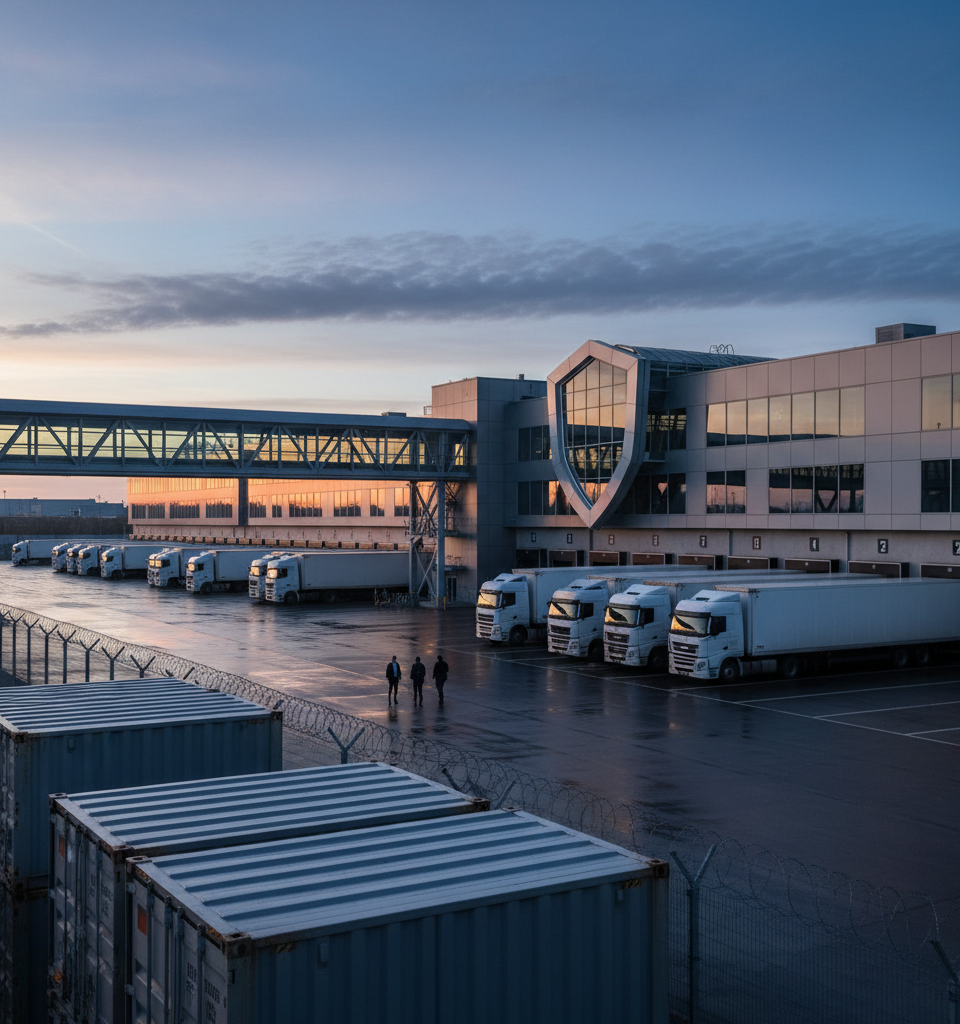
Cross-border supply chains often face escalating risks from sophisticated fraud, directly impacting global sellers' inventory security and operational costs. This new insurance offering provides a critical tool for mitigating financial exposure from strategic cargo theft. MiKargo247 and Verified Carrier have officially launched a specialized insurance coverage designed to protect freight brokers against strategic cargo theft. This partnership aims to address growing concerns within the logistics industry regarding sophisticated criminal activities that exploit vulnerabilities in the freight ecosystem.
The collaboration, announced today, focuses on providing spot cargo insurance tailored to specific high-risk scenarios. These include double brokering, where a legitimate carrier re-brokers a load without authorization, often leading to non-delivery or theft; carrier identity theft, where fraudsters impersonate established trucking companies; and fictitious pickups, where unauthorized parties collect cargo under false pretenses. Such incidents can result in significant financial losses for brokers and their clients, disrupting supply chains and eroding trust.
Addressing Evolving Threats in Freight Logistics
The landscape of cargo theft has evolved beyond simple pilferage, with organized criminal groups employing more complex and deceptive tactics. Traditional cargo insurance policies often have limitations or exclusions when it comes to these forms of strategic theft, leaving brokers exposed. The new coverage aims to fill this gap, offering a targeted solution that recognizes the intricate nature of these fraudulent schemes.
This initiative underscores a growing awareness within the logistics and insurance sectors about the need for more specialized risk management tools. As freight volumes increase and digital platforms connect more parties, the opportunities for exploitation by malicious actors also expand. The partnership between MiKargo247, a platform known for its logistics solutions, and Verified Carrier, which specializes in carrier verification and compliance, is a strategic response to these challenges.
Impact on Freight Brokers and Shippers
For freight brokers, this specialized spot cargo insurance provides an enhanced layer of financial security. It allows them to offer a more robust service to their shipping clients, reassuring them that their goods are protected against increasingly prevalent and damaging forms of fraud. By mitigating the financial fallout from these incidents, brokers can safeguard their reputation and maintain operational continuity.
Ultimately, shippers also benefit indirectly from this coverage. With brokers better protected, the overall supply chain becomes more resilient to financial disruptions caused by strategic theft. This can lead to greater confidence in using third-party logistics providers and potentially more stable freight rates as insurance providers gain a clearer understanding of specific risks and mitigation strategies.
The Role of Verification and Data in Risk Mitigation
The involvement of Verified Carrier highlights the critical role of data and verification in combating strategic theft. Their expertise in vetting carriers helps reduce the likelihood of engaging with fraudulent entities. When combined with targeted insurance, this creates a two-pronged approach: prevention through verification and protection through specialized coverage. This integrated strategy is becoming increasingly vital as the industry seeks to professionalize and secure its operations against sophisticated criminal networks.
Looking ahead, this partnership may encourage other insurance providers and logistics technology companies to develop similar niche solutions. The ongoing battle against cargo theft requires continuous innovation in both preventative measures and financial protection. The industry will likely see further advancements in AI-driven fraud detection, blockchain for supply chain transparency, and more tailored insurance products to keep pace with evolving threats. This collaboration marks a significant step in enhancing the security framework for freight transportation. The sustained focus on mitigating risks like double brokering and identity theft is expected to create a more secure environment for cargo movement across various sectors.