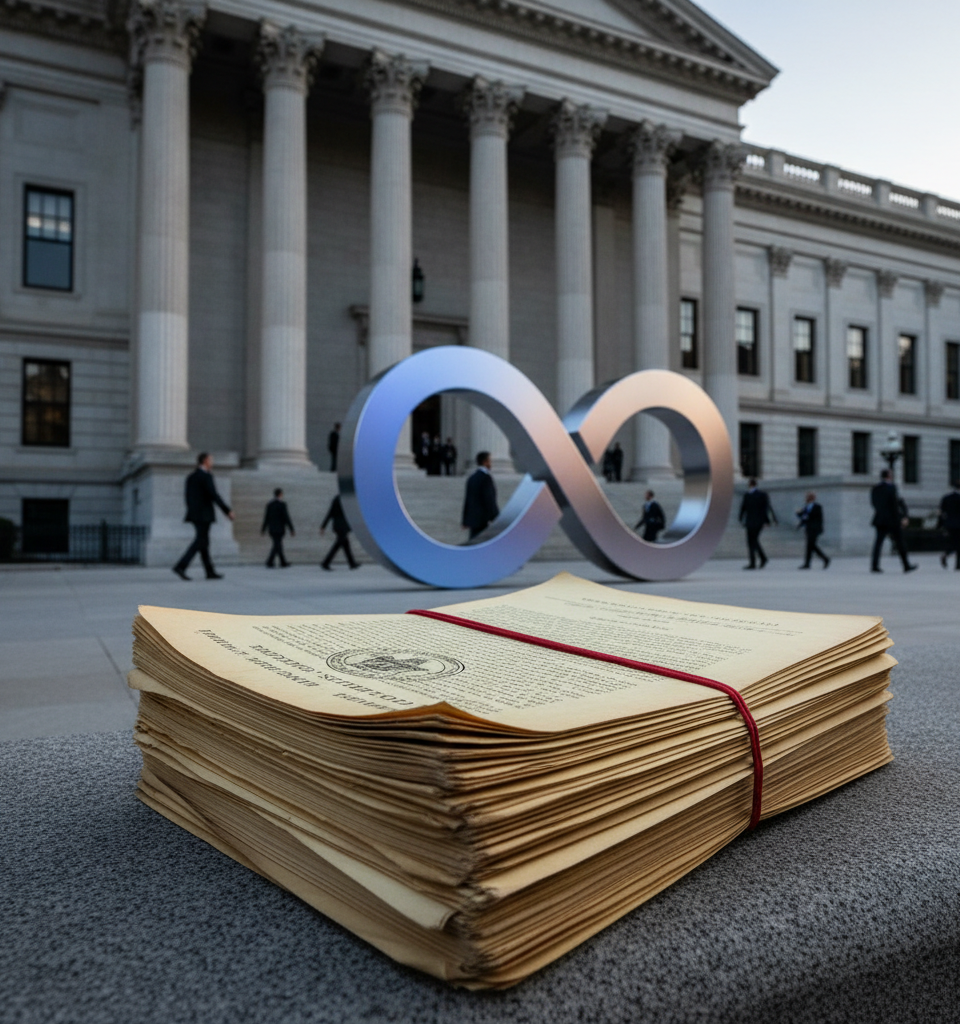
The prospect of significant new legal liabilities for digital platforms could reshape investment decisions and regulatory landscapes across the global tech sector. Stakeholders are closely watching how precedent from past corporate accountability cases might influence future policy.
Nearly three decades after a landmark legal victory against the tobacco industry, a similar litigation strategy is being explored as a potential method to address societal concerns linked to Meta and other prominent social media companies. This analysis, surfacing on September 6, 2026, delves into whether the precedent set by former Mississippi Attorney General Mike Moore's pioneering approach could be effectively adapted for the contemporary challenges posed by digital platforms.
Historical Context: The Big Tobacco Precedent
The original legal offensive against Big Tobacco culminated in a 1998 Master Settlement Agreement (MSA) between 46 U.S. states and the four largest American tobacco companies. This historic agreement, valued at over $200 billion initially, aimed to recover healthcare costs incurred by states due to smoking-related illnesses. Crucially, the litigation bypassed individual lawsuits by focusing on the public health burden and deceptive marketing practices, laying the groundwork for states to collectively pursue damages. Mike Moore, then Attorney General of Mississippi, was instrumental in initiating this strategy, shifting the focus from individual consumer harm to the broader societal impact and state-level healthcare expenditures.
Applying the Strategy to Social Media
The central question is whether the legal theories and mechanisms that proved effective against tobacco companies could be similarly deployed against social media giants. Proponents of this approach argue that platforms like Meta could be accused of contributing to public health issues, such as mental health crises among youth, addiction, and the spread of misinformation, thereby imposing significant costs on states for healthcare, education, and social services. They suggest that the argument could parallel the tobacco case: social media companies allegedly design their products to maximize engagement, potentially aware of harmful effects, much like tobacco companies were accused of marketing addictive products while downplaying health risks.
Potential Legal and Industry Impact
If such a strategy were to gain traction, it could lead to multi-state lawsuits seeking massive financial settlements. These funds would ostensibly compensate states for the societal costs attributed to social media use. Beyond financial penalties, a successful legal challenge could compel social media companies to fundamentally alter their business practices, including changes to algorithms, content moderation policies, and data collection methods. This could represent a significant shift in how tech companies operate, potentially impacting their revenue models and technological development strategies. The industry might face increased regulatory scrutiny and a re-evaluation of product design philosophies.
Expert Perspectives and Challenges
Legal scholars and industry analysts are divided on the feasibility of replicating the tobacco playbook. Some argue that proving a direct causal link between social media use and specific public health damages, akin to the clear link between smoking and lung disease, might be more complex. They note that the harms attributed to social media are often multifaceted and influenced by numerous external factors. Others point out the differences in legal liability standards and the First Amendment protections that social media platforms might invoke regarding content. However, proponents contend that the public nuisance doctrine, a key element in the tobacco litigation, could be adapted to argue that social media platforms create a widespread public harm.
What Lies Ahead
The coming months are likely to see continued debate and potentially initial legal maneuvers as states and advocacy groups weigh their options. The exploration of this strategy indicates a growing appetite among legal and political entities to hold large tech companies accountable for the broader societal implications of their products. Observers will be closely watching for any state attorney general or coalition of states that might take the initial steps toward filing such a lawsuit, which could signal a new era of litigation for the digital economy.