A New Era for Japan's Defense Industry
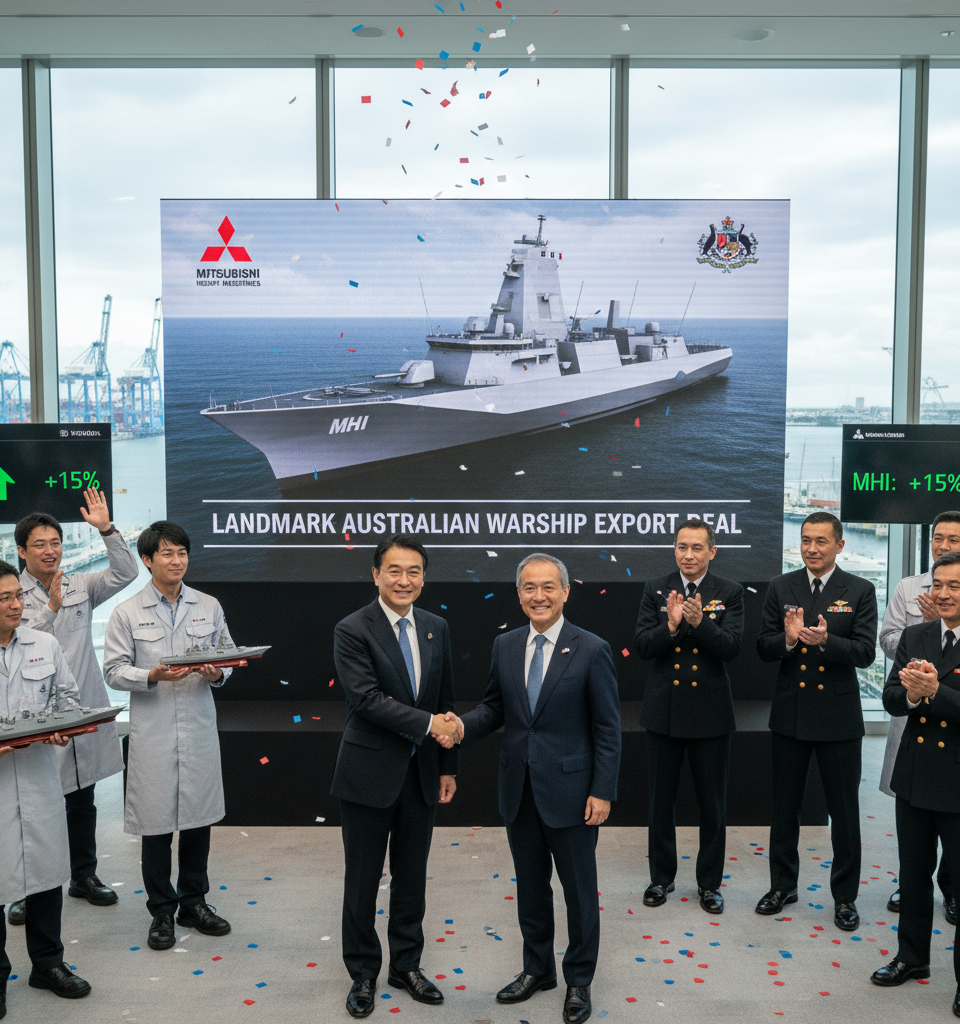
This landmark export represents a paradigm shift for Japan, a nation that has historically maintained stringent restrictions on defense equipment exports under its pacifist constitution. While these restrictions have been gradually eased in recent years, particularly regarding components and dual-use technologies, a full-fledged warship export marks an unprecedented step. For decades, Japan's defense industry primarily served domestic needs, limiting its global market presence. This deal with Australia signifies a strategic decision by the Japanese government to bolster its defense industry's long-term sustainability and foster closer security ties with key allies in the Indo-Pacific region, particularly amidst evolving geopolitical dynamics.
Key Details and Strategic Implications
The specifics of the warship model and total contract value have not been fully disclosed, but the 2029 delivery timeline suggests a complex and high-value project. This collaboration is expected to involve significant technological transfer and industrial cooperation between MHI and Australian defense contractors, fostering shared expertise and strengthening interoperability between the two navies. For Australia, acquiring advanced naval capabilities from a trusted regional partner like Japan enhances its maritime defense posture and contributes to regional stability. The deal aligns with Australia's ongoing efforts to modernize its naval fleet and diversify its defense procurement sources.
Market Reaction and Industry Impact
The immediate market reaction saw MHI's stock price climb to its highest level in months, reflecting investor optimism regarding the company's expanded order book and new revenue streams from international markets. Analysts widely view this as a positive catalyst for MHI, potentially opening doors for similar export opportunities with other allied nations. Beyond MHI, the deal is expected to have a ripple effect across Japan's broader defense and shipbuilding sectors, stimulating innovation, creating jobs, and encouraging further investment in advanced manufacturing technologies. It strengthens Japan's position in the global defense supply chain, moving beyond niche component suppliers to a purveyor of complete, high-tech systems.
Expert Perspectives on Geopolitical Significance
Defense analysts emphasize the significant geopolitical implications of this agreement. "This warship export isn't just a business deal; it's a powerful statement about the deepening strategic alignment between Japan and Australia," notes Dr. Emily Chen, a senior fellow at the Asia Pacific Security Institute. "It reflects a shared commitment to maritime security in the Indo-Pacific and a collaborative approach to counter-balancing regional challenges." Experts also highlight how such deals contribute to the concept of 'interoperability' among allied forces, enhancing their collective capabilities and responsiveness in complex security environments. The deal also subtly challenges narratives about Japan's purely defensive posture, demonstrating a greater willingness to project its industrial and technological capabilities abroad.
What Lies Ahead: Expanding Horizons
Looking ahead, this initial warship export could be a precursor to further defense collaborations between Japan and Australia, and potentially with other nations. MHI and the Japanese government will be keen to demonstrate the success of this project to build confidence and attract future international contracts. There is considerable speculation within the industry about which other countries might be interested in Japan's advanced defense technology, particularly in naval and aerospace sectors. Success in this venture could solidify Japan's role as a significant player in the global defense market, further integrating its industrial base with those of its key strategic partners and allies, while carefully navigating its constitutional constraints on defense exports. The long-term implications for MHI include the potential for sustained revenue growth, enhanced research and development capabilities through international collaboration, and a strengthened reputation as a leading global defense contractor. For Japan, the deal represents a careful yet significant expansion of its foreign policy tools, utilizing its industrial prowess to foster greater regional security and diplomatic influence.