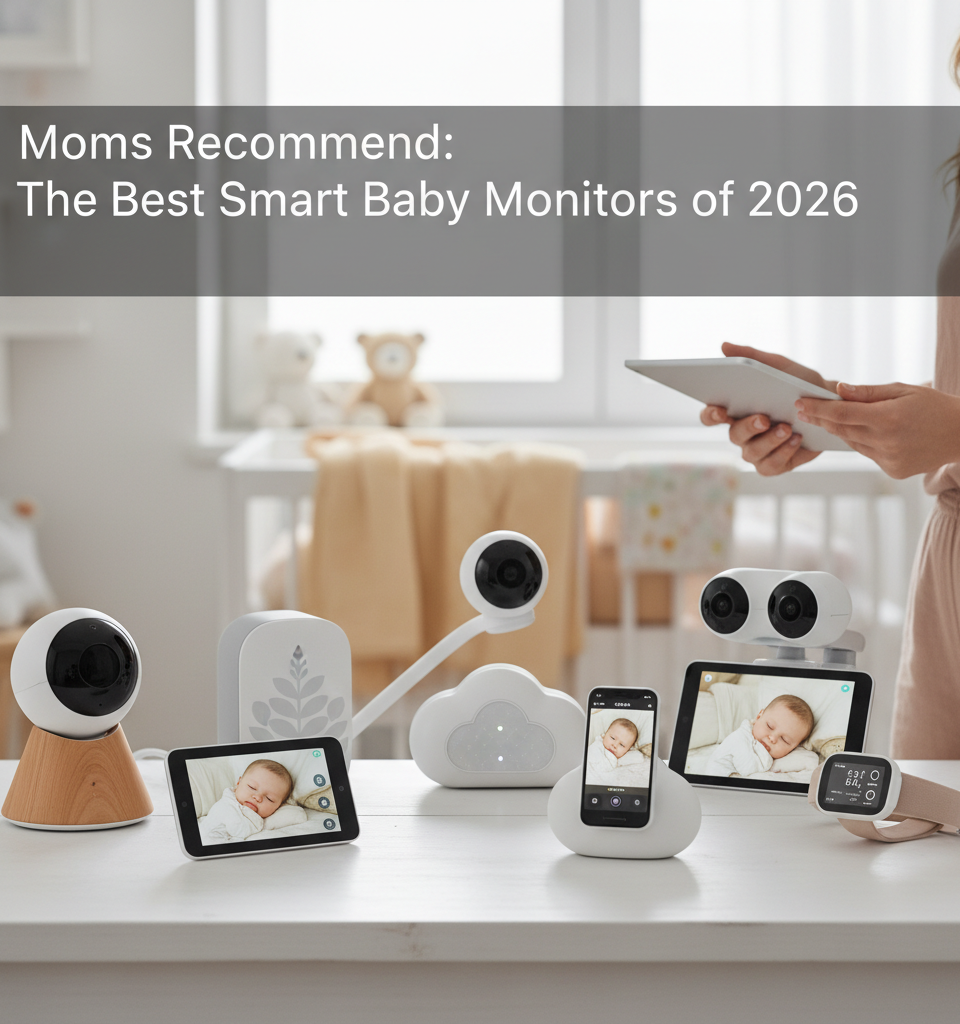
As of May 18, 2026, the landscape of infant care technology continues to evolve rapidly, with smart baby monitors emerging as indispensable tools for contemporary parents. These sophisticated devices transcend traditional audio-only monitoring, integrating a suite of features designed to enhance safety, provide data-driven insights into child development, and streamline parental oversight. The current generation of smart monitors is garnering significant attention for its capacity to deliver real-time safety alerts, meticulously track a child's sleep habits, and support seamless multi-user access, among other advanced functionalities.
The increasing demand for integrated smart home solutions has naturally extended to nursery environments. Parents are actively seeking technologies that offer not only peace of mind but also actionable data, allowing for more informed decisions regarding their child's well-being. This shift reflects a broader societal trend towards proactive health monitoring and the desire for connectivity in all aspects of daily life. The market for smart baby monitors is thus not merely about surveillance but about providing a comprehensive, connected care system that adapts to the dynamic needs of modern families.
The Technological Leap in Infant Surveillance
The core appeal of the 2026 smart baby monitors lies in their advanced feature sets. Beyond basic video and audio feeds, these devices are equipped with sophisticated sensors and algorithms. Safety alerts can encompass a range of critical events, from changes in room temperature and humidity (which could indicate a risk of overheating or discomfort) to sound detection that differentiates between a baby's cry and general household noise. Some models are also introducing features such as cry analysis, which can help parents understand the nature of their child's distress, or even gentle movement tracking to monitor for unusual patterns.
Furthermore, the ability to track a child's sleep habits has become a cornerstone feature. This goes beyond simply recording duration; advanced monitors can analyze sleep cycles, identify periods of restlessness, and provide historical data that parents can use to understand and potentially optimize their child's sleep routines. This data is often presented through intuitive mobile applications, offering graphical representations and actionable insights. The integration of multi-user access ensures that co-parents, grandparents, or trusted caregivers can all securely monitor the child, fostering a collaborative approach to infant care without compromising security protocols.
Market Dynamics and Consumer Preferences
The market for smart baby monitors is characterized by intense innovation and a strong focus on user experience. Manufacturers are investing heavily in AI-driven features and robust data privacy measures, recognizing parents' concerns about security in connected devices. The rise of voice assistant integration, allowing for hands-free control and information retrieval, is also a significant differentiator in this competitive landscape. While the specific brand names are not disclosed in the current context, the overarching trend indicates a move towards ecosystem compatibility, where baby monitors can seamlessly integrate with existing smart home platforms, offering a unified control experience.
The broader implications for the consumer electronics and childcare industries are substantial. The smart baby monitor segment is influencing design philosophies across other child-centric products, pushing for greater connectivity and data-driven capabilities. This technology also has the potential to alleviate some of the anxieties associated with new parenthood by providing continuous, accessible information, thereby empowering parents with greater control and insight into their child’s early development.
Future Outlook for Connected Nurseries
Looking ahead, the evolution of smart baby monitors is expected to continue focusing on predictive analytics and personalized recommendations. Future iterations could leverage machine learning to anticipate potential health issues based on aggregated data patterns or offer tailored advice for sleep training based on observed behavior. The emphasis will largely remain on enhancing safety features, refining data accuracy, and ensuring user-friendly interfaces that are accessible to parents with varying degrees of technological proficiency. The integration of advanced biometrics, while still in early stages of consideration for consumer devices, represents another potential avenue for future innovation, offering even deeper insights into infant wellness.
In essence, the 2026 smart baby monitors represent more than just a convenience; they are becoming integral components of modern parenting strategies. By leveraging cutting-edge technology to provide comprehensive monitoring, actionable data, and seamless connectivity, these devices are setting new standards for infant care and parental peace of mind, solidifying their position as essential tools in the contemporary household.