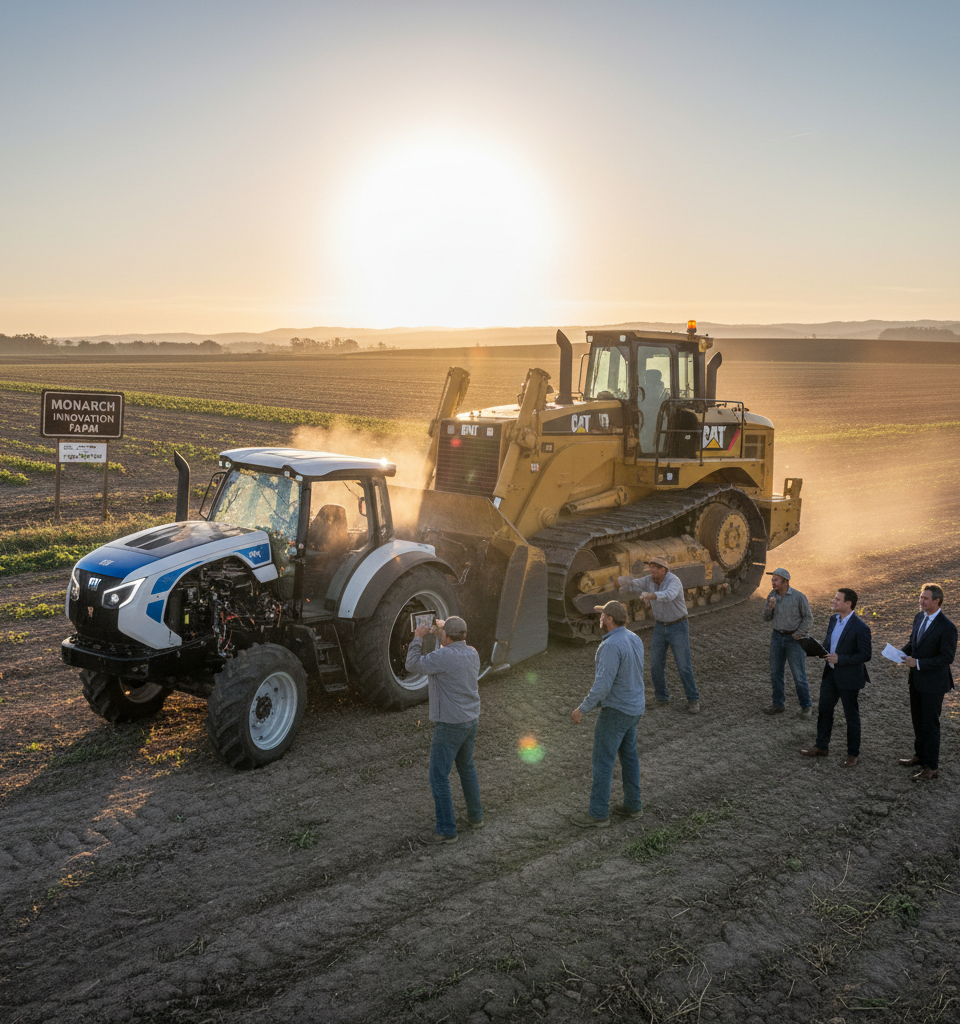
MENLO PARK, CA – [Date] – Monarch Tractor, a startup that once garnered significant attention and capital for its vision of electric, autonomous farming, has been acquired by heavy equipment giant Caterpillar Inc. The acquisition, confirmed by sources close to the deal, marks the inglorious end of Monarch's independent operations, which had been plagued by widespread complaints about its technology's functionality and reliability. This strategic move by Caterpillar is reportedly an asset acquisition, securing Monarch's intellectual property and engineering talent rather than its struggling brand or operational liabilities, concluding a tumultuous period for the venture-backed company.
Monarch Tractor emerged on the agricultural technology scene with bold promises, aiming to revolutionize farming through environmentally friendly, driver-optional electric tractors. Its initial funding rounds were robust, attracting over $100 million from prominent investors including BlackRock and Astanor Ventures, valuing the company at over $300 million at its peak. The allure was clear: reduce labor costs, increase efficiency through automation, and lower carbon footprints. However, the reality on the ground, specifically within the fields of its early adopters, fell far short of these ambitious projections, leading to a rapid erosion of trust and operational viability.
The company faced an escalating torrent of criticism from its customer base. Farmers reported significant technical malfunctions, including erratic navigation, persistent software bugs, and an inability of the autonomous systems to perform basic tasks reliably. Dealers, tasked with selling and supporting Monarch's vehicles, found themselves in an untenable position, handling frequent breakdowns and dissatisfied clients. Even a co-founder publicly voiced concerns about the product's readiness and the company's trajectory, further highlighting internal discord and external performance issues. These operational failures compounded into a severe credibility crisis, ultimately making the company unsustainable.
This acquisition by Caterpillar, a global leader in construction and mining equipment and increasingly active in agricultural solutions, sends a clear signal about the challenges and opportunities within the agritech sector. While terms of the deal were not disclosed, it is understood that Caterpillar is primarily interested in Monarch's patented technologies related to electric powertrains, sensor arrays, and autonomous guidance systems. This could allow Caterpillar to accelerate its own research and development in electric and autonomous agricultural machinery without the burden of Monarch's tarnished reputation or its operational shortcomings. The move could solidify Caterpillar's position against competitors like John Deere, which has made significant strides in autonomous farming.
Industry analysts view this acquisition as a strategic play by Caterpillar to acquire valuable R&D assets at a likely distressed price. "Monarch's technology, while flawed in execution, had promising elements," noted agri-tech analyst Dr. Sarah Chen of AgriGrowth Insights. "Caterpillar has the resources and engineering prowess to refine these concepts, integrate them into their robust platforms, and bring them to market reliably. It's a classic example of an incumbent acquiring innovation, even if that innovation stumbled." Dr. Chen also highlighted that this event underscores the immense difficulty of scaling complex autonomous solutions in real-world agricultural environments, which are far less structured than controlled industrial settings.
For the broader agricultural technology market, Monarch's collapse serves as a sobering reminder of the high stakes and technical hurdles involved in bringing disruptive technologies to fruition. It may prompt investors and startups to focus more intently on proven reliability and incremental advancements alongside revolutionary visions. The incident may also slow immediate investor enthusiasm for autonomous farm equipment, pushing towards more rigorous testing and longer pilot programs before widespread commercialization. However, the fundamental need for automation in agriculture, driven by labor shortages and efficiency demands, remains undiminished.
Looking ahead, it will be crucial to observe how Caterpillar integrates Monarch's acquired intellectual property. Will elements of Monarch's electric tractor designs resurface in future Caterpillar models? Will the talent absorbed from Monarch contribute to distinct product lines, or will they be assimilated into broader R&D efforts aimed at enhancing Caterpillar's existing autonomous and electric product roadmaps? The short-term impact will see Caterpillar leverage the acquired patents to potentially strengthen their competitive edge, while the long-term implications could result in a new generation of autonomous, electric agricultural machinery bearing the iconic Cat brand, learning from Monarch's costly mistakes to deliver functioning, farmer-approved solutions. The agritech sector will be watching closely for Caterpillar's next move in this evolving landscape.