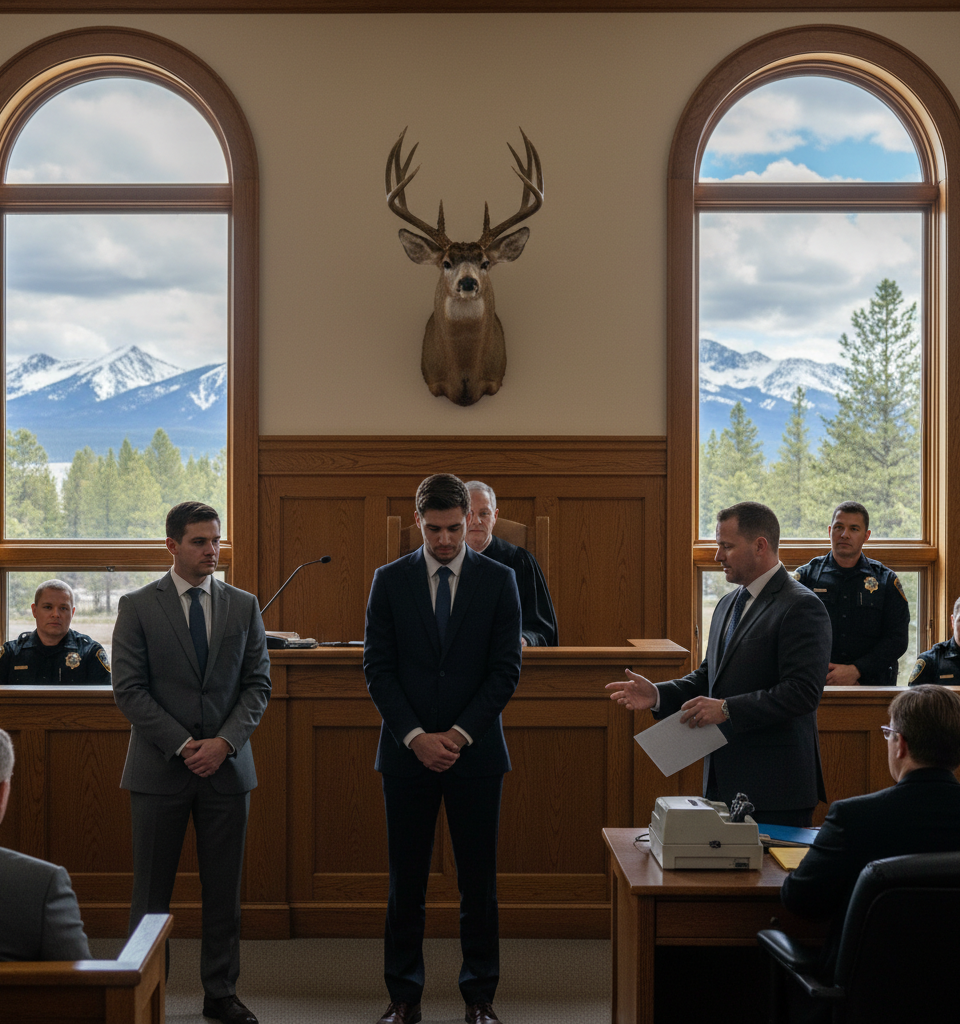
Hyatt Voy, a Montana real estate agent, has been sentenced to jail time for the unlawful killing of a trophy mule deer on private ranch property, accessed under false pretenses related to a potential listing. The incident, which occurred on an unspecified date preceding his recent sentencing, involved Voy using his professional credentials to gain unauthorized entry to a property he was ostensibly considering listing, only to engage in illegal hunting activities. This flagrant abuse of his real estate license and the landowner's trust has resulted in significant legal repercussions for Voy and has cast a spotlight on professional ethics within the real estate sector.
This case transcends a simple poaching incident; it represents a profound betrayal of professional responsibility and a stark reminder of the trust landowners place in real estate professionals. In a state like Montana, where private land ownership for hunting is highly valued and often strictly controlled, the unauthorized entry and poaching of a trophy animal is met with severe penalties. The use of a real estate license as a pretext for such illegal activities strikes at the core of professional integrity, setting a disturbing precedent and raising questions about vetting and oversight mechanisms within the industry.
Details of the sentencing included jail time, substantial fines, and the revocation of hunting privileges, underscoring the gravity of Voy's actions. While specific dollar figures for fines and the length of the jail sentence were not immediately released, such poaching offenses involving trophy animals often carry penalties in the tens of thousands of dollars, alongside significant durations of imprisonment. The animal in question was described as a trophy mule deer, indicating its high value within the hunting community and consequently, the heightened severity of the poaching charge. Voy's actions were discovered following an investigation by state wildlife officials, likely prompted by landowner reports or forensic evidence collected at the scene.
The repercussions of this incident extend beyond Voy's individual fate, impacting the broader real estate and land management industries, particularly in states rich in natural resources. The case could lead to increased scrutiny of real estate agents seeking access to private lands, potentially complicating legitimate transactions and fostering a climate of distrust between landowners and real estate professionals. Furthermore, it might prompt real estate boards and associations to review and reinforce their codes of conduct, emphasizing the ethical usage of professional credentials and the strict adherence to property rights.
Industry experts and legal analysts have widely condemned Voy's actions, highlighting the potential for this case to instill a chilling effect on property access for legitimate real estate purposes. "This isn't just about poaching; it's about a fundamental breakdown of trust," commented a legal expert specializing in property law. "When a professional license is leveraged for criminal activity, it erodes public confidence in the entire profession. Real estate associations will undoubtedly need to address this, perhaps by implementing stricter ethical guidelines and more rigorous oversight of agent conduct, especially concerning private land access." The incident serves as a cautionary tale, emphasizing the critical importance of ethical behavior in all professional dealings, particularly in professions that hinge on trust and access to private assets.
Looking ahead, the Montana Board of Realty Regulation may initiate an independent review of Voy's real estate license, potentially leading to its suspension or permanent revocation, separate from his criminal sentence. This case may also spur legislative discussions about enhancing penalties for professionals who misuse their licenses for illegal activities, particularly those impacting natural resources and private property rights. For landowners, there could be a trend towards more explicit access agreements and heightened vigilance when granting property access, even to licensed professionals, to prevent similar occurrences. The long-term implications will likely include a renewed emphasis on professional ethics training within real estate curricula and a more cautious approach to property access across the board in Montana's competitive real estate market.