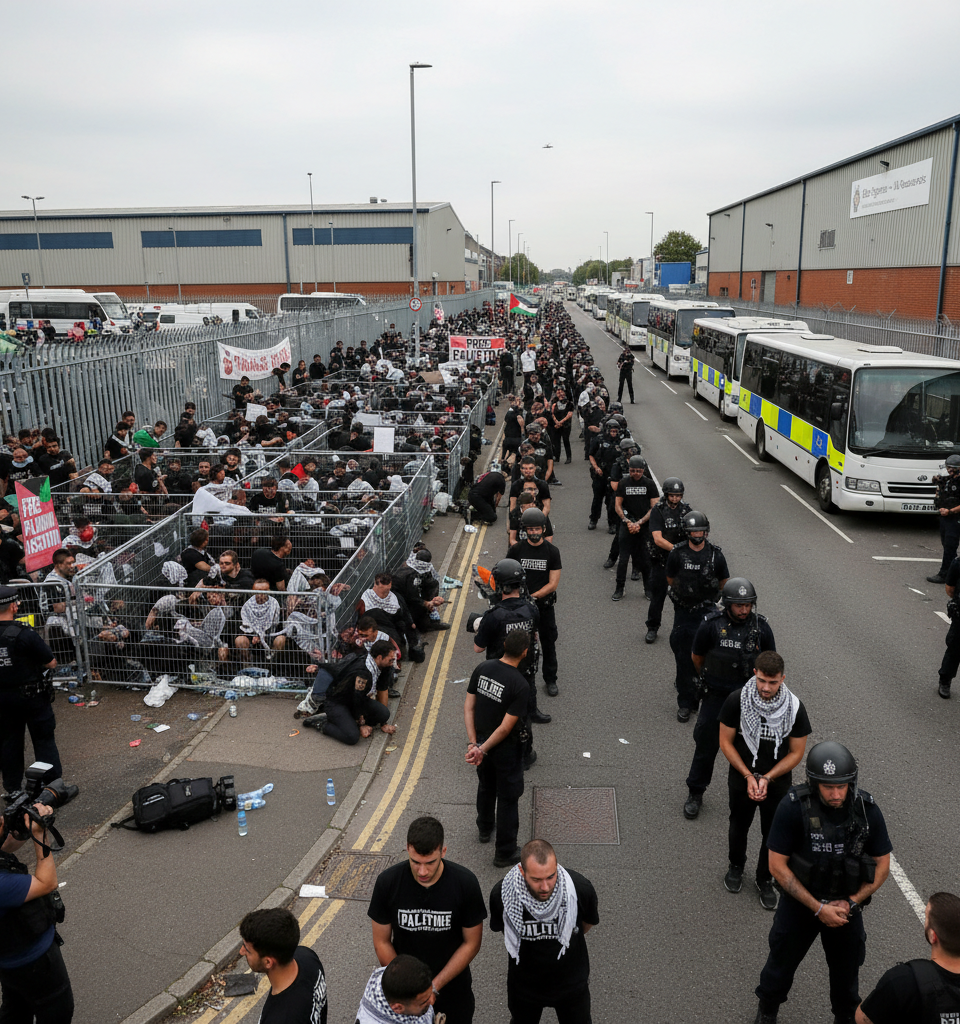
More than 500 individuals were arrested today during a significant demonstration orchestrated by Palestine Action. The organizers of the event articulated that the protest served as a powerful testament to the movement's enduring "resistance" against the ban imposed upon the group, confidently stating that their resolve is now "stronger than ever."
The demonstration unfolded against a backdrop of heightened scrutiny on activist groups and their operational freedoms. The high number of arrests signals a critical juncture in the ongoing dialogue surrounding civil liberties and political expression, particularly concerning contentious geopolitical issues. The stated aim of the protest, according to organizers, was not merely to defy the ban but to amplify the group's message and demonstrate its continued capacity for mobilization, despite legal constraints.
Context of the Ban and Activist Response
The ban on Palestine Action has significantly impacted its operational framework, yet this latest demonstration suggests a clear strategy to circumvent or directly challenge these restrictions through large-scale public action. Such widespread arrests can have multifaceted implications, from legal challenges for the individuals involved to broader questions about protest rights and police response tactics. The sheer volume of arrests indicates either a pre-planned enforcement action by authorities or an unexpected surge in participant numbers exceeding official expectations.
Historically, protest movements facing bans often adapt their methodologies, sometimes leading to more decentralized or, paradoxically, more unified expressions of dissent. The assertion by Palestine Action's organizers that their resistance is "stronger than ever" points to a strategic narrative designed to galvanize support and project an image of invincibility in the face of governmental pressure. This act of defiance could set a precedent for other groups operating under similar restrictions, observing how this high-profile confrontation unfolds.
Implications for Public Order and Civil Liberties
The incident is expected to provoke debate across political spectrums regarding the balance between maintaining public order and upholding the right to peaceful assembly. Critics of the protest might view the arrests as a necessary measure to enforce legal prohibitions and prevent potential disruptions, while civil liberties advocates are likely to scrutinize the scale and nature of the police action, questioning whether less restrictive measures could have been employed. The legal ramifications for the more than 500 individuals arrested will be a significant development to monitor in the coming weeks and months, potentially leading to mass trials or challenges to the legitimacy of the arrests.
Furthermore, the event’s impact extends beyond legal and policing spheres, influencing public perception of Palestine Action and similar activist organizations. A successful narrative from the organizers, despite the arrests, could bolster public sympathy and recruitment. Conversely, if the focus shifts to the disruptions caused or the legality of their actions, it might erode public support. The incident will undoubtedly be analyzed by policymakers and security experts as a case study in managing large-scale civil disobedience under prohibitory orders.
What Lies Ahead
Looking ahead, it is highly probable that Palestine Action will continue to seek avenues to express its views and challenge the existing ban. This latest protest, marked by a substantial number of arrests, may serve as a blueprint for future demonstrations, potentially escalating the intensity or modifying the tactics employed by the group. The authorities, in turn, will likely reassess their strategies for managing such events, possibly leading to altered policing protocols or enhanced measures to enforce the ban effectively.
The widespread media coverage generated by the arrests will also contribute to public awareness and debate on the broader Israeli-Palestinian conflict, bringing the specific grievances and objectives of Palestine Action to a wider audience. This confrontation underscores the persistent challenges governments face in navigating politically charged protests, especially when organizations operate under official prohibitions. The aftermath of these arrests—including legal proceedings, public discourse, and subsequent activist actions—will be crucial in determining the long-term impact on both Palestine Action and the landscape of protest and civil liberties.