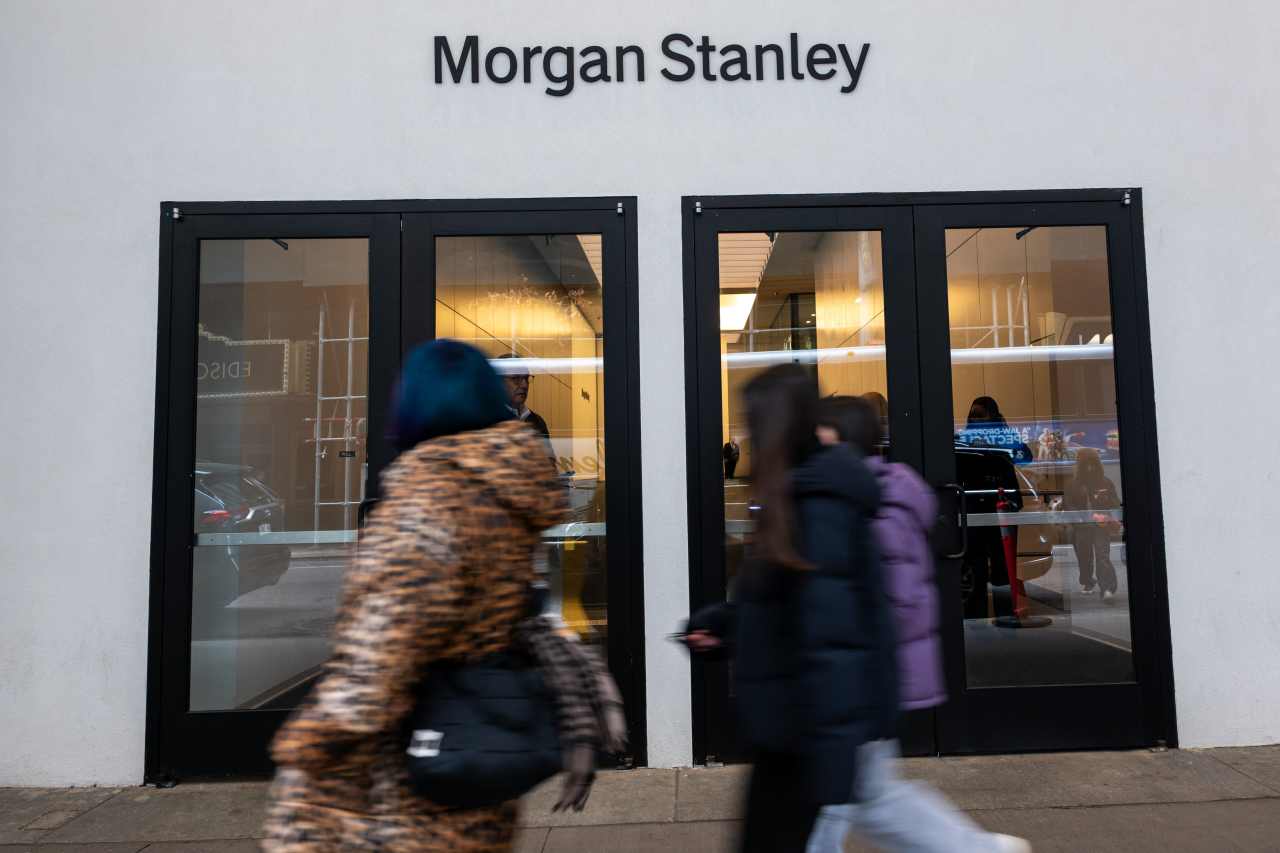
New York, NY – October 26, 2023 – Morgan Stanley's strategic research team, led by Chief Investment Officer Mike Wilson, has officially lowered its rating on global equities, advising investors to adopt a more defensive posture by increasing their allocations to cash and U.S. Treasury securities. This pivotal recommendation, disseminated in a recent client note, underscores growing concerns within one of Wall Street's most influential investment banks regarding the resilience of current market valuations amidst evolving macroeconomic headwinds.
The pronouncement from Morgan Stanley comes at a critical juncture for the global economy. After a period of robust growth and escalating asset prices, particularly in technology and growth sectors, a confluence of factors – including persistent inflation, rising interest rates, and geopolitical uncertainties – has begun to cast a shadow over future earnings potential. Historical precedence suggests that prolonged periods of monetary tightening often precede market corrections, making the current environment ripe for cautious re-evaluation by professional money managers and individual investors alike.
Key to Morgan Stanley's revised outlook is the belief that current market pricing does not adequately reflect the impending reality of slower economic growth and potentially squeezed corporate profit margins. The strategists specifically highlighted a downgrade of their global stocks rating from "equal-weight" to "underweight." This move implies a significant preference for lower risk assets. Mike Wilson, a well-known voice for market skepticism in recent years, explicitly stated in the note, "We believe the risk-reward for equities has deteriorated significantly." The team recommends increasing cash holdings to 15-20% of a portfolio while also advocating for a larger allocation to short-term U.S. Treasury bills, citing their relative safety and increasing yields.
The reverberations of such a high-profile downgrade are expected to ripple across various market segments. Equity markets globally may experience increased selling pressure, particularly in sectors deemed more cyclical or vulnerable to economic slowdowns. Conversely, the demand for safe-haven assets like government bonds, especially U.S. Treasuries, is likely to surge, potentially driving yields lower on the long end of the curve as prices rise. This could also lead to a repricing of risk in credit markets, with a widening of spreads on corporate bonds as investors become more discerning.
Several prominent analysts and economists have echoed similar concerns, though perhaps less definitively. Analysts at JPMorgan Chase, while not issuing an explicit downgrade, have recently pointed to the 'fragility' of current earnings forecasts. "The market has been slow to discount the full impact of higher rates on corporate bottom lines," noted Dr. Elaine Chen, a senior economist at Pantheon Macroeconomics. She further explained that a sustained period of quantitative tightening by central banks globally will inevitably lead to a reallocation of capital away from riskier assets. This collective expert perspective suggests that Morgan Stanley's call is not an isolated one, but rather a leading indicator of a broader shift in institutional sentiment.
Looking ahead, the implications of this defensive shift are substantial. Investors should prepare for increased market volatility and potentially lower returns from traditional equity benchmarks in the near to medium term. The Federal Reserve's upcoming policy meetings will be scrutinized for any signals regarding the pace of interest rate hikes, which could either exacerbate or alleviate the current concerns. Furthermore, the upcoming Q3 earnings season will provide crucial insights into how corporate profitability is holding up against inflationary pressures and consumer spending patterns. A weak earnings season could solidify the defensive posture of many institutional investors.
For individual investors, Morgan Stanley's advice serves as a potent reminder for diligent portfolio review. Rebalancing towards a more conservative asset allocation, including higher cash reserves for liquidity and stability, appears prudent. Exploring diversified strategies that incorporate less correlated assets or alternative investments could also prove beneficial in navigating what promises to be a challenging investment landscape. The current environment prioritizes capital preservation over aggressive growth, echoing the old adage: "It's better to be safe than sorry."