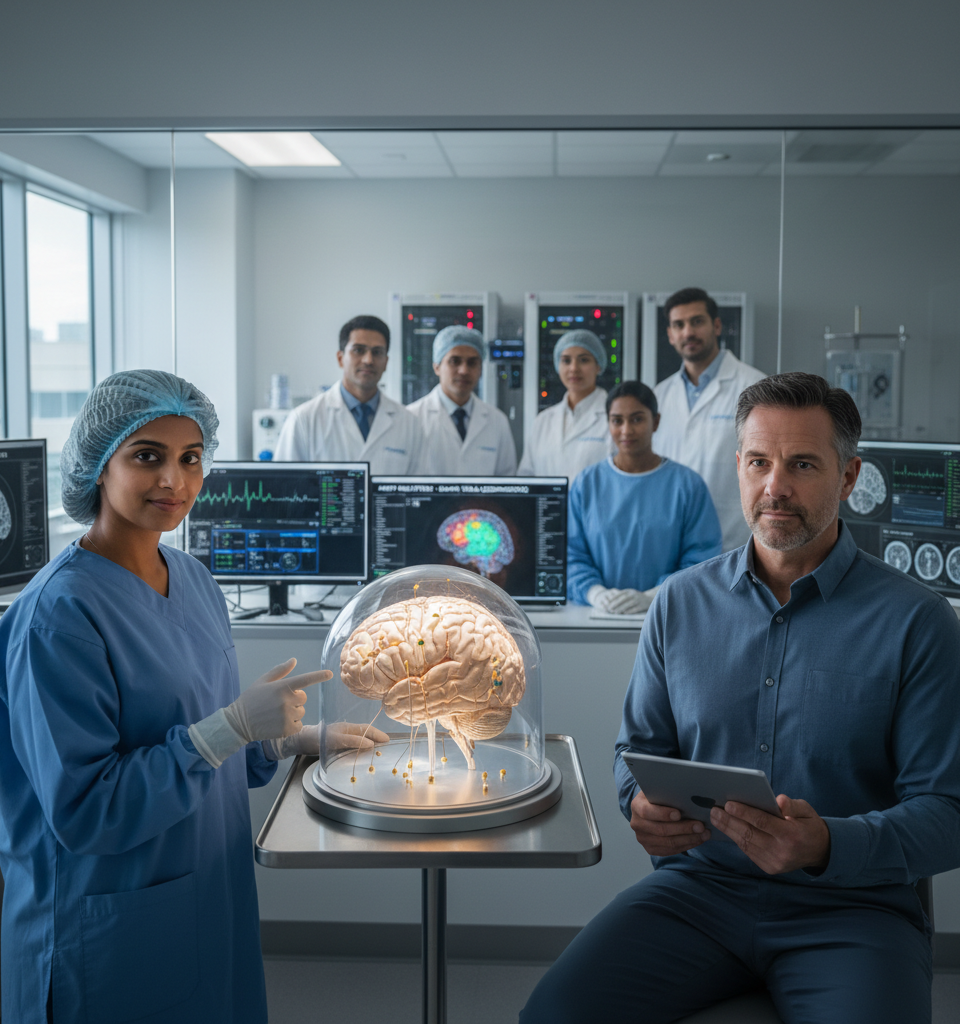
In a pivotal advancement for neuropsychiatry, Motif Neurotech is preparing to initiate human clinical trials for its novel brain implant, specifically engineered to alleviate symptoms of severe, treatment-resistant depression. The trials, expected to begin in the coming months, represent a critical step towards validating a new therapeutic pathway for millions worldwide struggling with mental health conditions. Unlike many existing brain-computer interface (BCI) companies that predominantly focus on restoring communication or motor functions for paralyzed individuals, Motif Neurotech is directing its innovative technology towards the intricate neurobiological underpinnings of psychiatric disorders.
The Evolving Landscape of Neurotechnology Historically, the neurotech field has been dominated by efforts to bridge the gap between brain and external devices for physical rehabilitation.
Companies like Neuralink and Synchron have garnered significant attention for their work in enabling paralyzed patients to control computers or prosthetic limbs through thought. Motif Neurotech’s strategic shift into mental health underscores a growing recognition of the immense unmet need in this sector. Depression alone affects an estimated 280 million people globally, with a substantial subset not responding to conventional treatments like psychotherapy or pharmacotherapy. This venture into neuromodulation for mental health is not entirely unprecedented, with deep brain stimulation (DBS) already approved for conditions like Parkinson's disease and obsessive-compulsive disorder, but Motif's approach promises more personalized and adaptive intervention.
Technical Specifics and Clinical Potential The
Motif device is conceptualized as a closed-loop system, meaning it will not only stimulate specific brain regions but also provide real-time feedback and adapt treatment based on the patient's neurological state. While specific details about the target brain regions and stimulation parameters are proprietary ahead of the trials, the underlying principle involves modulating neural circuits implicated in mood regulation. Early preclinical studies have shown promise in animal models. The initial human trials will primarily focus on safety and proof-of-concept, enrolling a small cohort of patients with severe, chronic depression who have exhausted other treatment options. The procedure involves surgically implanting a small device that delivers precise electrical impulses, aiming to normalize dysfunctional brain activity.
Market Impact and Competitive Landscape
The entry of Motif Neurotech into the mental health BCI space is set to shake up the broader neurotechnology market. While the market for BCIs is projected to exceed $3 billion by 2030, the majority of this growth has traditionally been attributed to assistive and rehabilitative devices. Motif's focus could catalyze a new sub-segment, potentially unlocking a multi-billion dollar opportunity in psychiatric neuromodulation. This move also positions them as a significant player alongside pioneering academic research efforts and other smaller startups exploring similar applications. Success in these trials could attract substantial investment and accelerate the development of personalized neurological treatments, potentially offering a paradigm shift in how we approach intractable mental illnesses.
Expert Insights and Ethical Considerations
Neuroscience experts and bioethicists are closely watching Motif Neurotech's progress. Dr. Evelyn Reed, a leading neuroscientist specializing in mood disorders, commented, "The potential of targeted brain stimulation for severe depression is immense, offering hope where traditional methods have failed. However, the ethical considerations around brain implants, particularly in mental health, are complex and paramount." Concerns typically revolve around patient autonomy, potential personality changes, and data privacy. Rigorous clinical oversight and transparent communication with patients will be crucial to navigating these challenges effectively. The adaptive nature of Motif's device could also offer a more nuanced intervention compared to static DBS, potentially mitigating some side effects.
The Road Ahead: Phased Development and Future Applications
Pending successful safety and efficacy outcomes from the initial human trials, Motif Neurotech plans to proceed with larger, multi-center studies. The long-term vision extends beyond depression, with researchers exploring the potential application of this technology for other severe psychiatric conditions such as bipolar disorder, anxiety disorders, and even certain types of addiction. The development pathway will likely involve several phases of clinical trials, regulatory approvals, and ultimately, commercialization. The success of Motif Neurotech's endeavors could usher in an era where brain implants become a more common and effective tool in the clinical psychologist's arsenal, offering a precision medicine approach to mental healthcare. This bold step could redefine therapeutic possibilities for millions, emphasizing the transformative power of cutting-edge neuroscientific innovation.