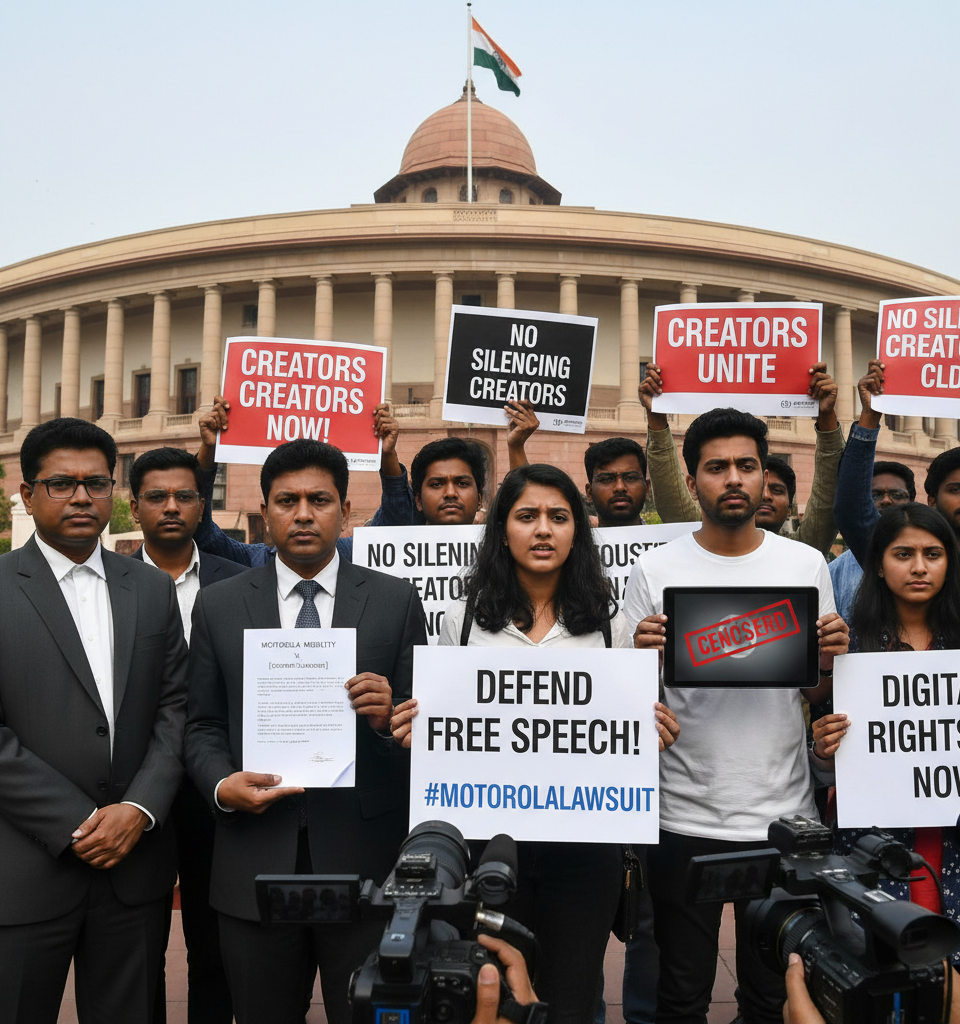
Motorola, a prominent global technology company, has recently filed a series of defamation lawsuits in India against an undisclosed number of content creators and major social media platforms, including Instagram, X (formerly Twitter), and YouTube. The legal actions, reportedly initiated in recent weeks, target posts and videos that Motorola alleges contain false and disparaging information about its products and brand. This unprecedented legal offensive by a multinational corporation against online commentary in India has swiftly escalated into a contentious debate, raising significant questions about the boundaries of free speech, corporate rights to reputation, and the evolving responsibilities of digital intermediaries in one of the world's largest internet markets.
This incident unfolds against a backdrop of increasing scrutiny on online content in India, a nation with over 880 million internet users. While corporations worldwide frequently engage in legal battles to protect their intellectual property and brand image, the scale and direct targeting of individual content creators by a company of Motorola's stature mark a notable escalation. The lawsuits underscore the growing tension between brand protection in the digital age and the burgeoning creator economy, where influencers and reviewers often operate with a degree of perceived editorial independence. Analysts suggest this move could set a significant precedent for how companies operating in India manage public perception and respond to critical online commentary.
Details surrounding the specific posts deemed defamatory by Motorola remain largely under wraps, though sources close to the development indicate the complaints involve allegations of misrepresentation of product features, performance, and quality. The lawsuits reportedly seek both the removal of the offending content and substantial financial compensation for damages to Motorola's brand reputation. Industry legal experts highlight the complexity of these cases, particularly in establishing actual malice or reckless disregard for the truth – a high bar for defamation claims concerning public discourse. The inclusion of social media platforms as co-defendants further complicates the matter, as Indian law, specifically the Information Technology (Intermediary Guidelines and Digital Media Ethics Code) Rules, 2021, outlines obligations for platforms to remove unlawful content upon notice, yet also provides safe harbor provisions under certain conditions.
The implications of Motorola's legal strategy could send ripples throughout India's vibrant, multi-billion dollar creator economy and the broader digital media landscape. Many content creators, particularly those specializing in tech reviews and comparative analyses, fear that such lawsuits could stifle critical commentary and foster an environment of self-censorship. This could detrimentally impact consumer awareness and informed purchasing decisions, as creators may become hesitant to voice legitimate criticisms or conduct thorough, independent product assessments for fear of legal repercussions. For social media platforms, these lawsuits add another layer of pressure in navigating content moderation, intellectual property rights, and user freedom of expression, potentially influencing their policies on responding to corporate complaints.
Legal and digital rights experts have voiced concerns regarding the potential chilling effect these lawsuits could have on online discourse. "While companies certainly have a right to protect their brand from genuinely false and malicious attacks, drawing the line between legitimate criticism and defamation is crucial," stated Rohan Sharma, a Mumbai-based media law attorney. "Suits targeting individual creators can be intimidating and resource-draining, potentially silencing voices that are vital for consumer protection and market transparency." This sentiment is echoed by digital rights organizations, which advocate for robust legal frameworks that protect creators' rights to fair comment and criticism, emphasizing that not all negative reviews constitute defamation.
Looking ahead, the outcomes of these lawsuits will be closely watched by corporations, content creators, and social media platforms alike. The judgments could significantly influence the legal precedents for online defamation in India, shaping how companies interact with digital critics and how platforms will be held accountable for user-generated content. There is an expectation that if Motorola succeeds, other corporations might follow suit, leading to an increase in similar legal battles. Conversely, if courts rule in favor of the creators, it could empower independent voices and solidify the boundaries of fair use and critical commentary online. The cases are expected to traverse the Indian judicial system for an extended period, providing a crucial test for the nation's evolving jurisprudence on digital rights and corporate reputation management.
Further developments could involve calls for clearer guidelines or amendments to India's IT Rules to better distinguish between legitimate criticism, satire, and actionable defamation. This situation also highlights the need for creators to be increasingly diligent in fact-checking and substantiating their claims, while companies must balance aggressive brand protection with fostering positive engagement with their consumer base and online communities. The resolution of these legal challenges will undoubtedly contribute to defining the future landscape of online expression and corporate accountability in India.