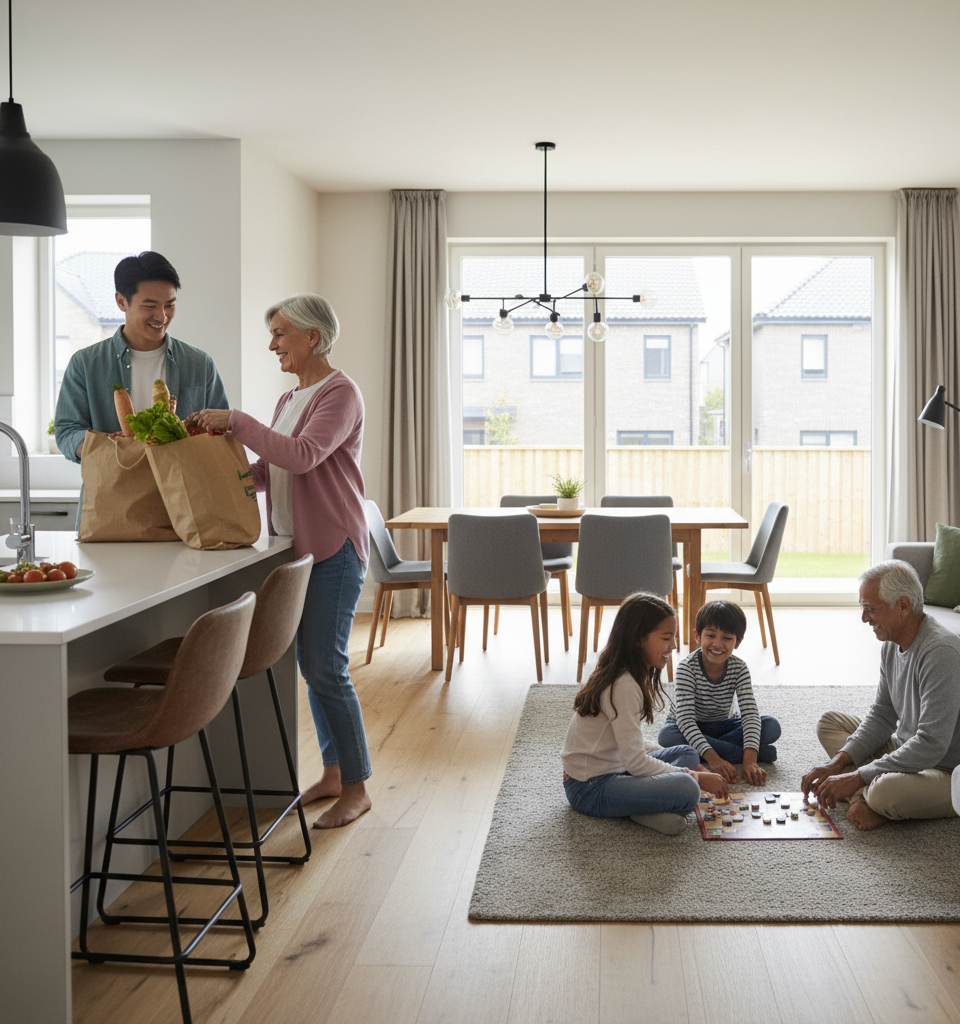
The landscape of residential living is undergoing a significant transformation, with multigenerational rental setups emerging as a pragmatic solution to current economic challenges. Landlords are beginning to recognize the lucrative potential of adapting properties to accommodate multiple generations under one roof, indirectly fostering affordability for tenants struggling with escalating housing costs. This shift is largely driven by a demographic phenomenon: an increasing number of young adults, many of whom once aspired to independent living, are now moving back in with parents or even grandparents, primarily due to a widespread affordability crisis.
The Resurgence of Multigenerational Households
Historically, multigenerational living was a common arrangement, particularly in times of economic hardship or within certain cultural contexts. However, in recent decades, Western societies, in particular, saw a decline in such setups. The current economic climate, characterized by stagnant wages, soaring rental prices, and significant student loan debt, has triggered a notable reversal of this trend. Young adults, often burdened by financial constraints, find themselves unable to secure independent housing, leading to a de facto return to the family nest. This phenomenon isn't just a fleeting trend; it represents a fundamental recalibration of housing strategies in response to persistent economic pressures.
Economic Imperatives for Landlords and Tenants
For landlords, embracing multigenerational living models presents a clear financial incentive. By designing or retrofitting properties to suit multiple generations – perhaps with separate living spaces, multiple kitchens, or independent entrances – they can command higher rents than a traditional single-family lease, maximize property utilization, and potentially reduce vacancy rates. The segmented income from multiple occupants or families within a single property unit can significantly boost overall rental yield. For tenants, especially young adults and their families, these arrangements offer a critical pathway to affordability. Pooling resources among family members makes it possible to afford larger, more comfortable homes that would otherwise be out of reach, effectively mitigating the immense pressure of rising rental costs across various urban and suburban markets.
Adapting Property Landscapes
The implementation of successful multigenerational rental strategies requires thoughtful property adaptation. This often goes beyond simply adding an extra bedroom. It may involve creating self-contained units within a larger home, known as Accessory Dwelling Units (ADUs), or designing flexible layouts that allow for both shared family time and individual privacy. Such properties might feature multiple master suites, common areas that can be easily partitioned, and accessibility modifications for older generations. These architectural and design considerations are crucial to ensuring these arrangements are not only financially viable but also comfortable and sustainable for all occupants. The market is slowly responding with new construction and renovation projects specifically targeting this emerging demand.
Broader Market Impact and Future Outlook
The increasing prevalence of multigenerational rentals could have several profound impacts on the broader housing market. It may lead to a slowdown in demand for smaller, entry-level apartments, potentially stabilizing or even reducing rents in that segment, while increasing demand for larger, adaptable homes. Municipalities and zoning boards may also face pressure to revise regulations to facilitate the creation of legal and safe multigenerational housing options, moving beyond traditional single-family zoning laws. As the affordability crisis shows no signs of abating, this trend is likely to solidify, becoming a permanent fixture in the rental market. It represents an innovative, market-driven response to a systemic economic problem, offering a blueprint for how individuals and property owners can navigate challenging financial landscapes through communal living strategies.
Looking ahead, the adaptation of rental properties for multigenerational living is not merely a short-term fix but signals a long-term evolution in residential housing. As economic pressures persist and demographic shifts continue, the demand for adaptable, cost-effective housing solutions will only grow. This model offers a compelling win-win scenario, providing landlords with enhanced income streams and offering tenants, particularly those facing financial barriers, a viable path to stable and affordable housing within a supportive family structure. The current trajectory suggests that this housing model will become increasingly prominent, reshaping urban and suburban living environments for years to come.