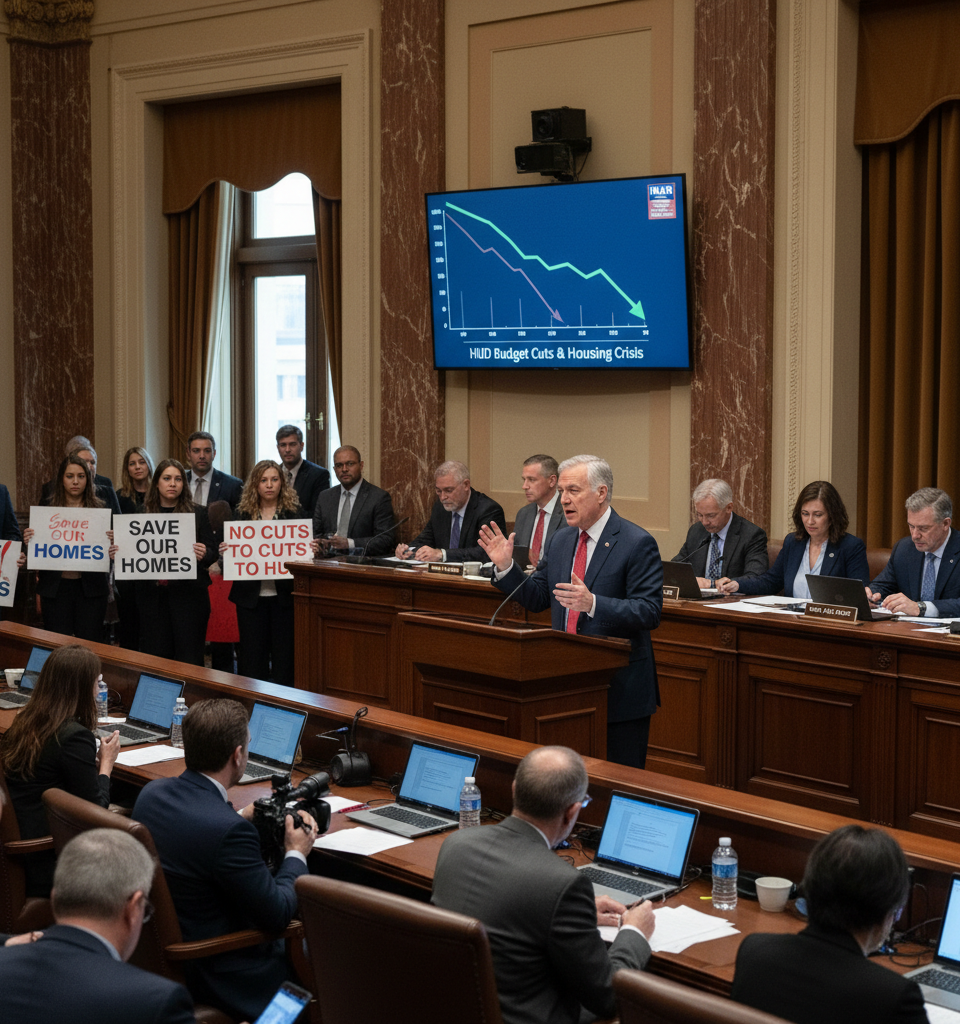
The National Association of Realtors (NAR) is actively lobbying Congress to rebuff a substantial White House budget proposal that seeks to drastically reduce federal housing and community development initiatives. The proposed cuts, amounting to billions of dollars, target programs administered by the Department of Housing and Urban Development (HUD), sparking widespread concern among housing advocates, industry stakeholders, and economists already contending with an acute national housing affordability crisis. This direct appeal underscores the growing alarm within the real estate sector regarding the potential impact on homeownership opportunities and rental stability across the country.
Context and Background
The White House's budget blueprint, unveiled earlier this year, outlines significant reductions across various non-defense discretionary spending categories, including a substantial decrement for HUD. These proposed cuts arrive at a particularly volatile moment for the U.S. housing market. Median home prices have surged by approximately 40% since 2020, while rental costs have also climbed considerably, leaving a growing segment of the population struggling to secure stable and affordable housing. Federal housing programs, ranging from rental assistance to community development block grants (CDBGs), play a critical role in bridging these affordability gaps, particularly for vulnerable populations and underserved communities. Historically, federal funding has been instrumental in facilitating public-private partnerships that address housing shortages and urban revitalization.
Key Details and Specifics
Among the programs targeted for elimination or severe reduction are the Community Development Block Grant (CDBG) program, which provides flexible funding to states and localities for housing, economic development, and infrastructure projects, and the HOME Investment Partnerships Program, a vital source for building and rehabilitating affordable housing. While specific dollar figures for each proposed cut remain subject to ongoing appropriations negotiations, the collective impact is projected to be in the billions. NAR's President, Kevin Sears, specifically highlighted the importance of these programs, stating, "Cutting these vital resources would exacerbate the housing supply crisis and undermine efforts to make homeownership a reality for more Americans.
" The association emphasized that these programs are not merely expenditures but essential investments in economic stability and social equity.
Industry and Market Impact
The consequences of these cuts, if enacted, would reverberate throughout the housing market. Developers of affordable housing projects, many of whom rely on CDBG and HOME funds as critical gap financing, would face significant hurdles, potentially stalling or canceling planned developments. This would further constrict an already tight housing supply, particularly in areas experiencing rapid population growth.
Real estate agents and brokers recognize that reduced federal support translates to fewer potential homebuyers and renters, as a lack of affordable options limits market participation. Furthermore, local economies that benefit from construction and revitalization projects funded by HUD grants could see a slowdown, impacting related industries such as construction, materials suppliers, and local service providers. The ripple effect could lead to decreased housing stock diversity and increased competitive pressure on existing affordable units.
Expert Perspective
Housing economists and policy analysts largely concur with NAR's assessment. Dr. Sarah Johnson, a senior fellow at the Center for Housing Policy, commented, "These proposed cuts are fiscally short-sighted. While they might appear to save money in the short term, the long-term societal costs — increased homelessness, reduced economic mobility, and strained public services — will far outweigh any immediate budgetary savings." She added that targeted federal housing investments often yield significant returns, fostering community stability and enabling individuals to pursue educational and employment opportunities. Dr. Johnson also pointed to research demonstrating a direct correlation between federal housing assistance and improved health outcomes and reduced poverty rates, underscoring the multifaceted benefits of these programs.
What's Next
The battle over the federal budget is far from over. NAR, in coordination with other housing advocacy groups and municipal organizations, will continue its intense lobbying efforts on Capitol Hill. Their strategy involves educating members of Congress on the real-world implications of these reductions and advocating for the prioritization of housing security in the final appropriations bills.
The coming weeks will see extensive negotiations between the House and Senate, with a looming deadline for a finalized budget. The outcome will not only determine the fate of billions in housing funds but also profoundly shape the trajectory of housing accessibility and affordability for millions of Americans in the years to come. Industry observers will be closely monitoring congressional action and the ultimate allocation of resources, which will set the tone for housing policy in the current fiscal year and beyond.