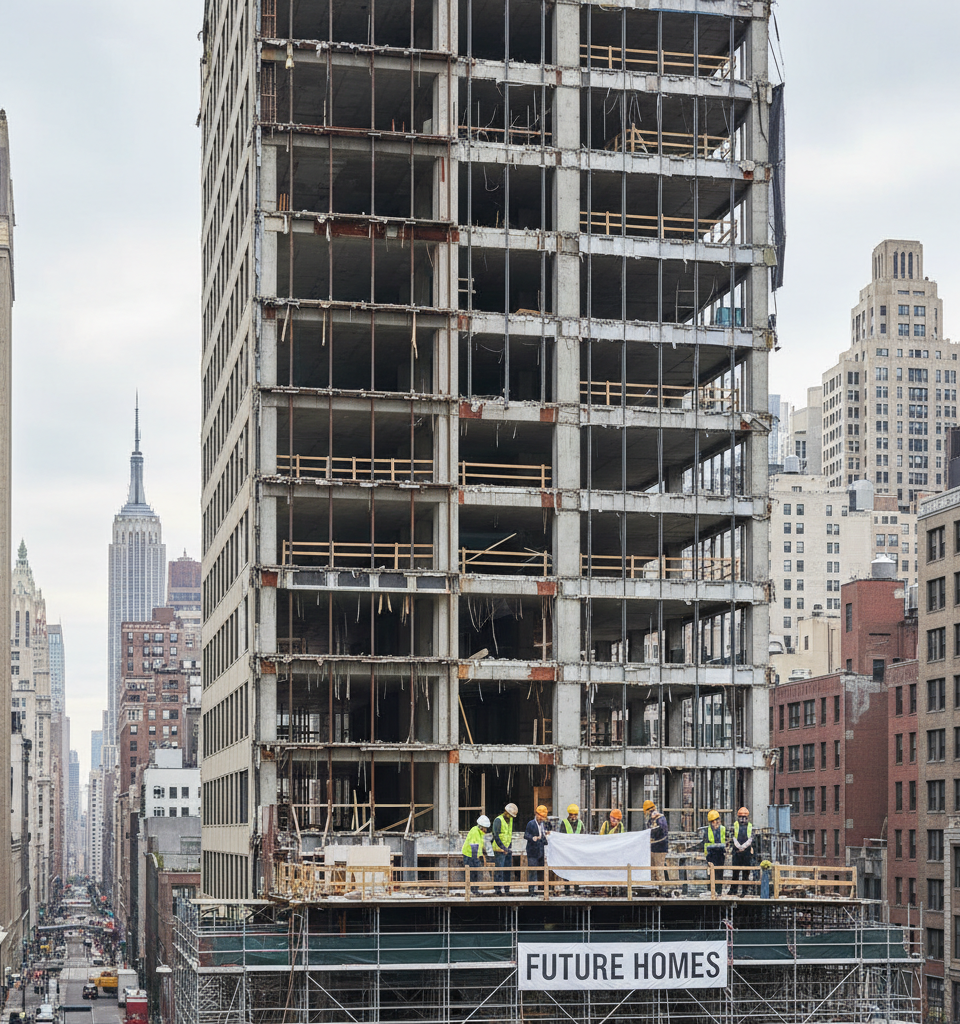
The conversion of underperforming office buildings into residential units has emerged as a significant trend in New York City's real estate landscape, prompted by a dual reality: a surplus of commercial space and a pressing need for housing. A 2022 report by AKRF, prepared for the Real Estate Board of New York (REBNY), projects that the city will require more than 560,000 new housing units by 2030, underscoring the urgency of addressing the housing deficit. This backdrop has positioned office conversions as a prominent strategy to tackle both challenges simultaneously.
The Driving Forces Behind the Trend
The impetus for this conversion boom is multifaceted. The rise of remote and hybrid work models has profoundly impacted office occupancy rates, leading to a growing inventory of commercial buildings struggling to attract and retain tenants. Many of these properties, particularly those constructed before modern amenity standards, are facing obsolescence. Concurrently, New York City has long grappled with a severe housing crisis, characterized by high demand, limited supply, and escalating costs. The confluence of these factors creates a compelling economic argument for repurposing existing structures rather than embarking on costly and time-consuming ground-up residential developments.
The Criticality of Meticulous Analysis
While the concept of converting offices to residences appears to be a straightforward solution, experts are emphasizing the critical importance of meticulous analysis before embarking on such projects. Hasty decisions without comprehensive due diligence could lead to unforeseen challenges and financial setbacks. Key considerations include the building's structural integrity, the feasibility of reconfiguring floor plans for residential use, access to natural light and ventilation, and compliance with residential zoning and building codes. Each of these elements can significantly impact the project's viability and cost.
Navigating Regulatory and Design Complexities
Converting a commercial building to residential use is not merely a matter of changing interior layouts. It often involves navigating a complex web of regulatory hurdles, including zoning amendments, environmental reviews, and extensive permitting processes. Furthermore, the design aspects are crucial; office buildings are typically deep-plate structures with centralized core areas, which can pose challenges for creating residential units with adequate light and accessible services like plumbing and HVAC. Architects and developers must creatively address these design limitations to produce attractive and livable spaces that meet residential standards and market demand.
Financial Viability and Market Dynamics
The financial implications of an office-to-residential conversion are substantial and require careful evaluation. Beyond the initial acquisition costs, developers must factor in significant expenses for demolition, structural modifications, new plumbing and electrical systems, and high-end finishes expected by today's residential renters or buyers. The project's financial success hinges on accurate cost projections and a realistic assessment of potential rental income or sales prices in the target market. A thorough market analysis is essential to understand demand for converted units, competitive pricing, and absorption rates.
Broader Economic and Social Impact
Should these conversions proceed thoughtfully and successfully, they could have a profound impact on New York City's economic and social fabric. A successful transition would not only alleviate some pressure on the housing market but also revitalize struggling commercial districts by introducing new residential populations. This influx of residents could stimulate local businesses, enhance street-level activity, and contribute to a more vibrant and mixed-use urban environment. However, poorly executed conversions could exacerbate existing urban challenges, underscoring the need for strategic planning.
The Path Forward: Deliberate Planning
The overarching message from industry observers is a call for deliberate planning and comprehensive analysis. The opportunity presented by the office-to-residential conversion trend is immense, but so are the potential pitfalls. Stakeholders, including developers, city planners, and financial institutions, must collaborate to establish clear guidelines and foster an environment that supports well-conceived and executed projects. The objective is not just to convert buildings but to create high-quality, sustainable housing solutions that genuinely address New York City's urgent needs while revitalizing its urban core. The success of this transformative period will largely depend on the thoroughness of the initial analysis undertaken for each potential project.