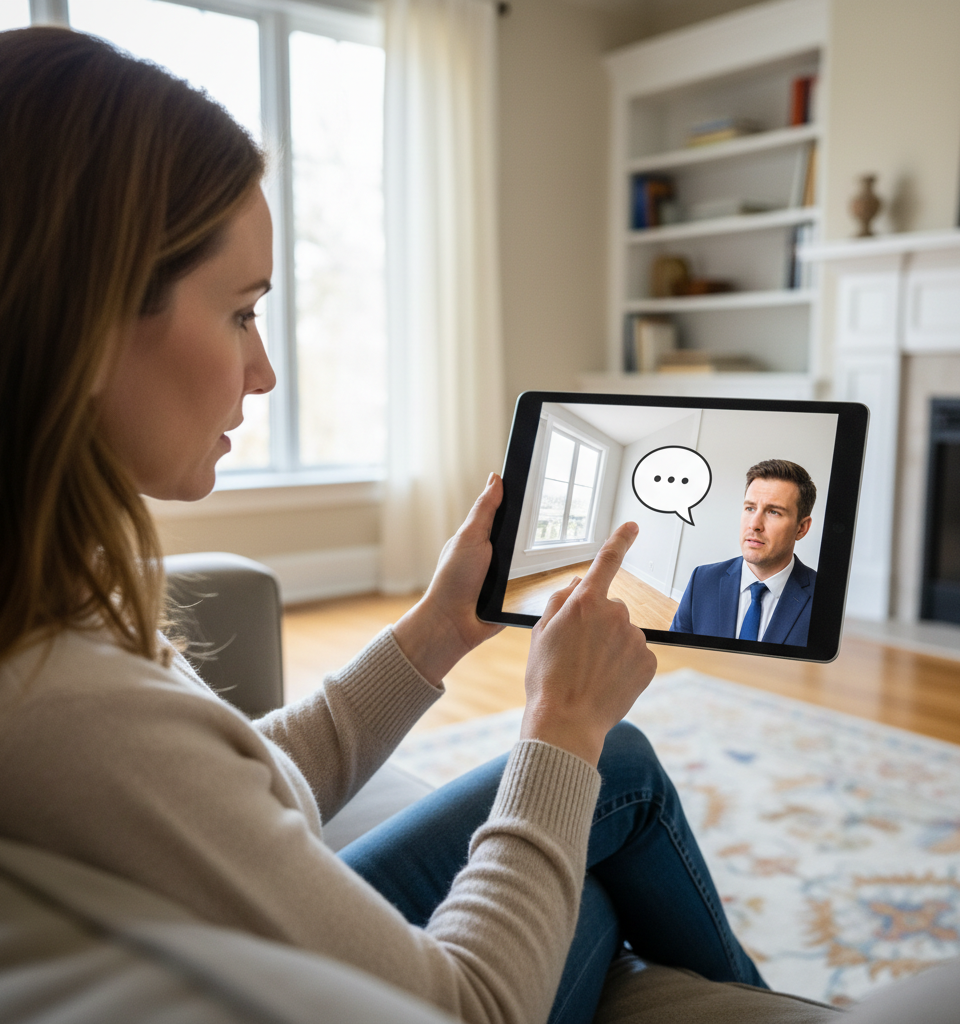
In an increasingly digitized real estate landscape, video inspections and virtual walkthroughs have emerged as indispensable tools, profoundly altering the home-buying journey. While offering unparalleled convenience, these digital showings also present a significant challenge for prospective buyers: the potential for sellers to inadvertently, or intentionally, gloss over critical property issues. This shift necessitates a more discerning approach from buyers, who must learn to navigate the visual nuances of a screen to identify potential red flags that could translate into substantial repair costs post-purchase.
The Rise of the Virtual Showing and Its Pitfalls
The widespread adoption of virtual tours, accelerated significantly by global events over the past few years, has transformed how properties are marketed and viewed. Data from the National Association of Realtors (NAR) indicates that over 70% of homebuyers used virtual tours in their search process recently, with a substantial portion making offers sight unseen except for digital media. While this technology streamlines the initial screening process, it inherently introduces a layer of artificiality. Camera angles, lighting, and editing can be manipulated to enhance aesthetics while inadvertently or intentionally masking structural deficiencies, water damage, or pest infestations. The absence of tactile and olfactory cues, which are critical in traditional in-person viewings, further complicates a thorough assessment.
Key Strategies for a Critical Digital Inspection
To mitigate these risks, homebuyers must adopt a proactive and analytical stance during virtual walkthroughs. Experts recommend several key strategies. Firstly, request unedited, raw footage if available, and ideally, a live video call for a personalized, interactive tour.
During a live tour, direct the camera operator to specific areas, paying close attention to corners, ceilings, and under sinks. Look for subtle signs: uneven flooring can suggest foundation issues, water stains on ceilings or walls indicate past or present leaks, and fresh paint in unusual spots might conceal damage. Observe the condition of windows and doors, noting any visible gaps or signs of rot.
Don't shy away from asking for close-ups of electrical panels, HVAC systems, and water heaters, as these are often areas of significant potential expense. Additionally, inquire about the age of major appliances and systems.
Market Impact and Industry Adaptation
The reliance on virtual inspections has prompted a re-evaluation of disclosure standards and due diligence processes within the real estate industry. While sellers are legally bound to disclose known defects in most jurisdictions, the subjective nature of what constitutes 'known' can vary. This has led to an increased emphasis on professional inspections, even after a virtual viewing. Many buyers now budget for more comprehensive pre-purchase inspections, including specialized assessments for roofing, plumbing, and structural integrity, recognizing that a video tour is a preliminary step, not a substitute for expert evaluation. This also puts pressure on real estate agents to balance marketing appeal with ethical representation, ensuring virtual tours provide an accurate, albeit curated, depiction.
Expert Insights on Buyer Protection
According to Sarah Chen, a veteran real estate attorney specializing in property disputes, "The onus is increasingly on the buyer to be diligent in the digital age. A video walkthrough is a powerful marketing tool, but it's not a sworn affidavit. Buyers should view it as a preliminary filter and always follow up with a physical inspection by certified professionals before finalizing any purchase." She further advises buyers to review all available documentation thoroughly, including seller disclosure forms, past inspection reports, and any records of major repairs or renovations. "If something seems too good to be true in a digital tour, it often is. Don't let the convenience overshadow the need for careful scrutiny," Chen adds.
The Future of Virtual Home Buying
Looking ahead, advancements in virtual reality (VR) and augmented reality (AR) technologies are expected to make virtual home tours even more immersive and informative. Imagine truly 'walking through' a property with VR goggles, being able to virtually open cabinets, and even overlay digital information about materials or structural elements. This technology could potentially reduce some of the current blind spots, offering a more comprehensive virtual inspection experience. However, the fundamental principle will remain: digital tools enhance the process but do not eliminate the need for layered verification, especially involving professional, in-person assessments. The trend towards hybrid buying models, blending digital convenience with essential physical checks, is expected to solidify, ensuring buyers are well-informed and protected in their significant investments.
Ultimately, while digital walkthroughs offer undeniable advantages in efficiency and reach, they demand a sophisticated level of engagement from homebuyers. By understanding the inherent limitations and employing robust investigative techniques, buyers can transform a potentially risky digital viewing into a strategic advantage, securing a well-understood and sound investment.