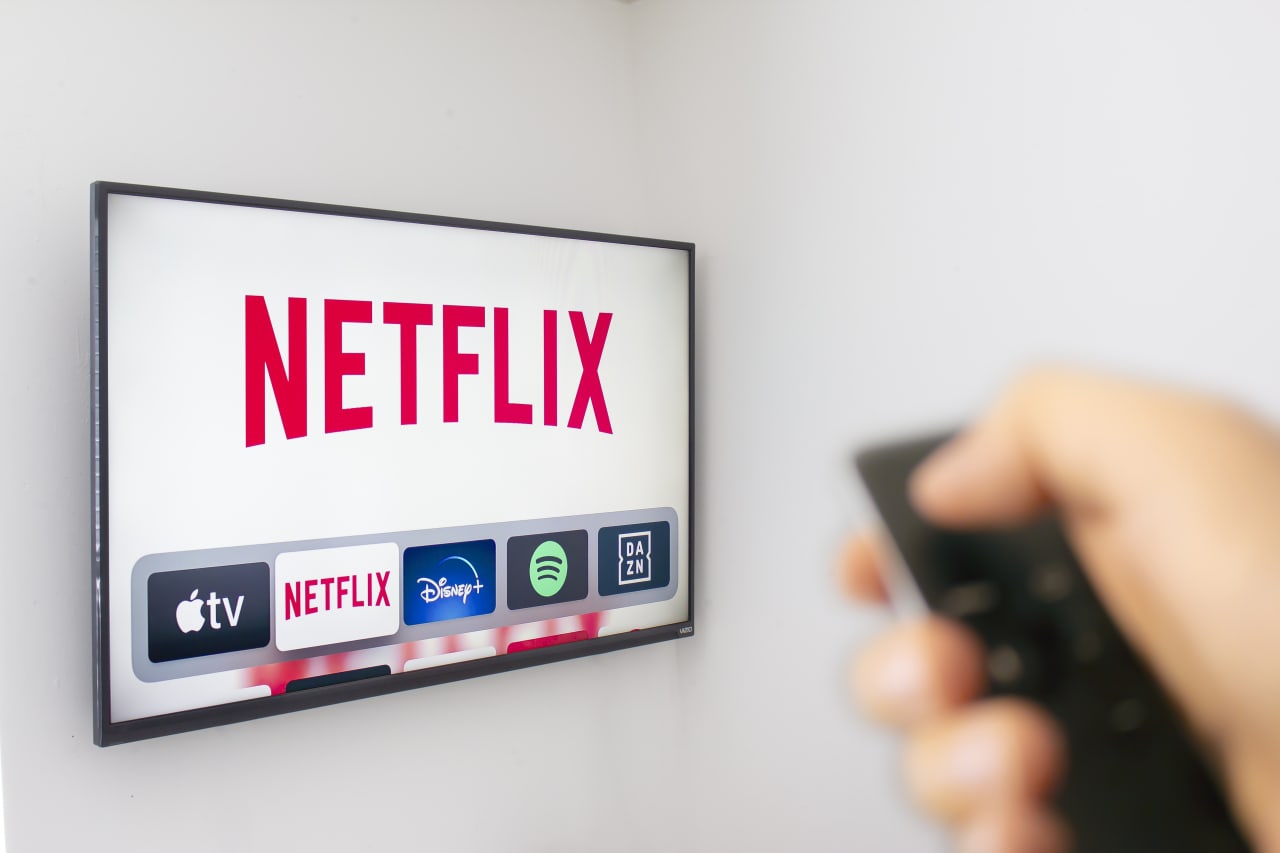
Los Gatos, CA – [Date] – Netflix, Inc. (NASDAQ: NFLX), the global streaming behemoth, has once again raised its subscription prices for millions of users across key markets, marking the second such increase in a little over a year. The unexpected rapidity of this latest adjustment has caught many industry analysts off-guard, who had largely predicted a longer interval between pricing revisions. This strategic maneuver underscores Netflix's persistent push for enhanced profitability and expanded content budgets, even as the streaming market becomes increasingly saturated and competitive.
This latest price adjustment arrived significantly sooner than most financial pundits and market watchers had forecast. Typically, streaming platforms space out price increases by 18-24 months to mitigate subscriber backlash and allow consumers to acclimate. Netflix's accelerated timeline suggests a strong conviction in its value proposition and an urgency to bolster average revenue per user (ARPU). This move also follows a period of robust content investment, attempting to justify higher prices with an ever-expanding library of original films and series.
The specifics of the price hikes vary by region and plan. In the United States, the popular Standard plan, which allows for two simultaneous streams, will see its price rise from $15.49 to $18.99 per month, a 22.6% increase. The Premium plan, offering four simultaneous streams and 4K HDR content, will jump from $19.99 to $22.99, an increase of 15%. Even the ad-supported basic plan has not been immune, experiencing a modest bump from $6.99 to $7.99 in some territories. These new rates are set to take effect immediately for new subscribers, with existing members typically receiving a 30-day notice before their next billing cycle reflects the change.
These price increases ripple across an already dynamic streaming industry. Competitors such as Disney+, Max, and Paramount+ have also implemented their own price adjustments in recent months, albeit often with accompanying bundling strategies or expanded ad-supported tiers. Netflix's decision could prompt rivals to reassess their own pricing power, potentially leading to a broader industry trend of escalating subscription costs. However, it also presents an opportunity for lower-priced or ad-supported alternatives to gain traction among price-sensitive consumers, intensifying the battle for subscriber wallets.
Industry analysts, despite initial surprise at the timing, largely remain bullish on Netflix's ability to retain its subscriber base. Michael Pachter, an analyst at Wedbush Securities, commented, "Netflix has a proven track record. Their content slate is consistently strong, and consumers have demonstrated a high willingness to pay for it." He added, "While some churn is inevitable at the margins, the core subscriber base is incredibly sticky. The perceived value, coupled with the lack of direct, equally robust alternatives, keeps most subscribers locked in." Data from previous price hikes supports this, showing initial minor dips in subscriber growth followed by quick stabilization.
The strategic rationale behind these rapid price increases appears multi-faceted. Firstly, Netflix is under pressure to demonstrate sustainable profitability and free cash flow generation to investors. Secondly, a larger revenue stream directly translates to increased capacity for content acquisition and production, vital for maintaining a competitive edge against well-funded rivals. Thirdly, the company is refining its strategy to differentiate between its premium offering and its newer, more affordable ad-supported tier, using price as a clear delineator.
Looking ahead, market observers will closely monitor subscriber growth and churn rates in the coming quarters to gauge the full impact of these price adjustments. Further technological innovations, such as enhanced recommendation algorithms and interactive content, are likely to be touted as additional value-adds justifying future price points. The company's ongoing crackdown on password sharing is also expected to convert some freeloaders into paying subscribers, mitigating potential losses from price-sensitive consumers.
The overarching trend suggests that the era of ultra-low-cost streaming may be drawing to a close. As content production costs soar and platforms seek firmer financial footing, consumers should anticipate a continued evolution in streaming pricing models. Netflix, by being an early and aggressive mover, is effectively setting a new benchmark for perceived value in the streaming ecosystem, daring its competitors to follow suit or find other ways to compete for market share and consumer attention.
Conclusion
Netflix's bold move to accelerate its price increases reflects a robust strategy focused on maximizing revenue and reinforcing its market leadership. While it tests the loyalty of its vast subscriber base, expert consensus leans towards minimal long-term impact on subscriber numbers, affirming Netflix's strong brand equity and compelling content library. The streaming landscape continues to evolve, with price and content quality at the forefront of the battle for consumer engagement.