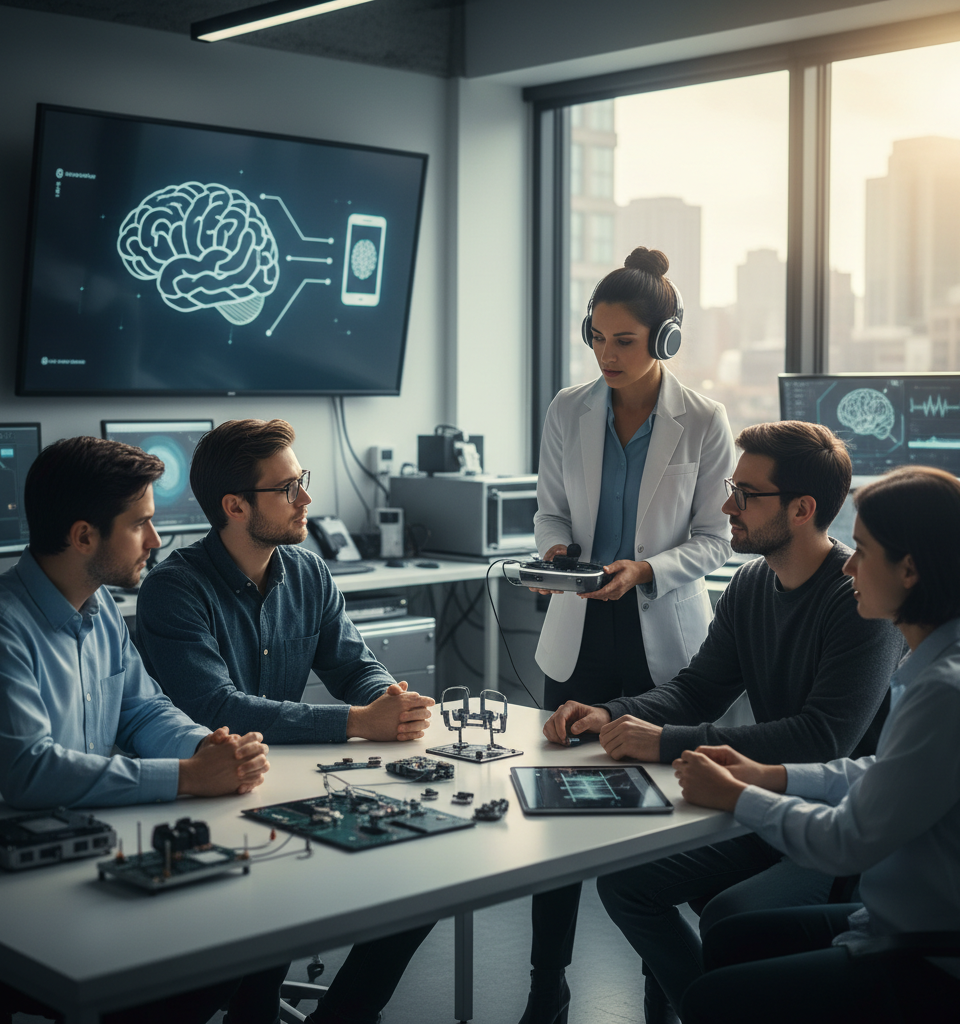
Neurable, an emerging leader in brain-computer interface (BCI) technology, is actively seeking licensing agreements to embed its proprietary non-invasive neural data collection systems into consumer-grade wearable devices. The move, spearheaded by CEO Adam Molnar, marks a significant step towards bringing sophisticated BCI functionalities—often dubbed 'mind-reading' tech—out of specialized labs and into the mainstream market, opening avenues for diverse consumer applications from enhanced focus to personalized digital experiences.
The Dawn of Everyday Neurotechnology
This initiative by Neurable is not merely a technological advancement; it represents a philosophical shift in how humans might interact with technology. For decades, BCIs were largely confined to medical applications, assisting individuals with severe motor impairments. Neurable's focus on non-invasive methods—primarily through electroencephalography (EEG) sensors integrated into consumer products like headphones or smart glasses—significantly lowers the barrier to entry. The company envisages a future where passive neural monitoring can provide actionable insights into cognitive states, stress levels, and even intent, without requiring surgical implantation or specialized clinical settings.
Unveiling Neurable's Core Technology At the heart of
Neurable's offering is its advanced signal processing and machine learning algorithms designed to interpret subtle electrical signals from the brain. While CEO Adam Molnar refrains from making audacious claims of direct thought translation, he emphasizes the technology's capability to discern cognitive states such as attention, engagement, and mental workload in real-time. This is achieved by analyzing specific brainwave patterns, which can then be used to provide feedback, adjust digital environments, or even control interfaces. The goal is to move beyond mere data collection towards intelligent, adaptive systems that anticipate user needs and enhance daily productivity and well-being. Early demonstrations have showcased applications in gaming, where users can control elements with focus, and in productivity tools designed to optimize concentration.
Reshaping the Consumer Wearables Landscape
Neurable's licensing strategy could profoundly impact the multibillion-dollar consumer wearables market, currently dominated by fitness trackers and smartwatches. By integrating BCI capabilities, devices could evolve beyond monitoring physical activity to understanding mental states. This could lead to a new generation of products offering personalized mental wellness coaching, adaptive educational tools, or even more immersive entertainment experiences. Analysts suggest that this could unlock new revenue streams for hardware manufacturers and software developers, fostering innovation in areas like cognitive health, augmented reality (AR) interaction, and even subtle communication methods.
Expert Perspectives on BCI Commercialization
Industry experts view Neurable's approach with cautious optimism. Dr. Emily Carter, a neurotechnology analyst at Foresight Ventures, notes, "The move towards consumer-grade non-invasive BCI is inevitable, but the key lies in reliable signal acquisition and ethical data handling." She adds, "Neurable's focus on licensing rather than direct product sales allows them to rapidly scale their technology across various platforms, which is a smart play in a nascent market." However, concerns regarding data privacy, accuracy of interpretation, and the potential for misuse remain paramount and will require robust ethical frameworks and regulatory oversight as the technology proliferates.
The Road Ahead: Future Implications and Challenges
Looking forward, Neurable's success hinges on overcoming significant hurdles. Establishing the efficacy and reliability of their BCI in diverse real-world consumer environments will be crucial. Furthermore, building trust with consumers regarding the sensitive nature of brain data will be paramount. The company plans to collaborate closely with licensees to ensure seamless integration and user experience. Over the next 3-5 years, we could see initial products featuring Neurable's technology emerge, starting potentially with high-end headphones or AR glasses. The long-term vision includes pervasive BCI integration, making seamless, thought-driven interaction with the digital world a commonplace reality.
Addressing Ethical and Privacy Concerns As with any technology touching on personal data, especially neurological information, ethical considerations are at the forefront.
Neurable emphasizes a commitment to data privacy by design, aiming to implement stringent security protocols and transparent user consent mechanisms. The company acknowledges the need for public education and clear guidelines around how neural data is collected, processed, and utilized, especially concerning potential commercial exploitation or psychological manipulation. Building a robust framework for consumer protection will be vital for widespread adoption and public acceptance of this transformative technology.